
What Is Polyurethane Paint for 1K and 2K Cure
What Is Polyurethane Paint for 1K and 2K Cure Selection
Definition of Polyurethane Paint
What is polyurethane paint is a coating made with polyurethane resin chemistry that forms a protective and decorative film after curing. For a technical buyer, the main point is not simply the paint color or gloss level. The cure system determines how the coating is prepared, applied, dried, and evaluated. A one component paint is supplied as a ready-to-use system or a system that does not require a separate hardener before application. A two component paint requires the coating base and a compatible curing component to be combined before use. This difference affects production planning, application control, storage, repair work, and the final coating result. Polyurethane coatings may be considered for selected painted parts, including shoe sole paint applications, but each substrate, production method, and performance requirement must be checked before approval. Buyers should request a product specification, application recommendation, and sample evaluation rather than selecting a system from appearance alone.
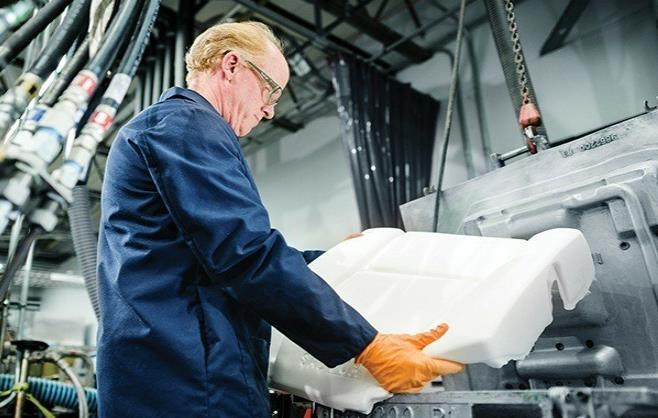
Types of Polyurethane Coating Systems
Polyurethane coating systems are commonly discussed as one component and two component options. The names describe the number of components handled before application, but the purchasing decision requires more detail. One component paint can fit operations that need simpler preparation, lower mixing complexity, or frequent small application batches. It may be suitable when the coating supplier confirms that the expected curing conditions and finished-part requirements match the formulation. Two component paint can fit controlled production where operators can measure, mix, and apply the material according to the supplier’s instructions. It is often considered when the buyer needs a defined chemical curing reaction and can manage the extra preparation stage. Neither category is automatically better. A buyer should compare the available curing conditions, substrate, expected service conditions, equipment, rework needs, and operator control before choosing.
| Selection Point | One Component Paint | Two Component Paint |
|---|---|---|
| Preparation before use | Usually simpler because a separate hardener is not mixed immediately before application. | Requires controlled mixing of the base material and compatible curing component. |
| Production fit | Can fit small batches, touch-up work, or operations seeking fewer preparation steps. | Can fit scheduled production with defined mixing and application procedures. |
| Operator control needed | Focus on surface preparation, application thickness, and stated curing conditions. | Focus on ratio control, mixing quality, usable working time, surface preparation, and curing conditions. |
| Common purchasing risk | Assuming simple handling means the coating will suit every durability requirement. | Buying a system without planning for mixing equipment, trained operators, or batch records. |
Features That Affect Coating Selection
The useful features of polyurethane paint are linked to film formation, substrate adhesion, appearance, and resistance requirements defined by the actual application. Buyers should first identify what the coating must do. A decorative shoe component may require a consistent color and surface appearance, while a coated industrial part may require a finish that remains acceptable after handling, assembly, or exposure expected in service. Color control may also matter when a product range includes multiple shades. In such cases, compatible color materials and application trials should be reviewed together. Sholee Chemicals supplies PU paste and pigment products that may be relevant when purchasers are assessing color paste options for polyurethane-related production. However, color paste selection does not replace coating validation. The complete combination of paint, pigment, substrate, application method, and curing process must be tested as one system.
- Adhesion: Select based on the actual substrate and surface condition, not a general material description.
- Appearance: Define color, gloss, texture, and acceptable variation before sampling.
- Curing method: Confirm whether available conditions suit a one component or two component system.
- Handling needs: Consider whether parts require rapid movement, stacking, assembly, or later recoating.
- Process control: Match the formulation to the operator skill level and equipment available at the plant.
Applications and Fit by Substrate
Polyurethane coatings should be selected by the part, the substrate, and the production process rather than by product name alone. Sholee Chemicals lists PU soles, PU car carpets, wood-based panels, paper for food-related applications, metal die casting, paint curing agent products, and glue curing agent products among its application areas. These are different manufacturing environments, so a purchaser should avoid transferring one coating recommendation directly from one use to another. For example, a shoe sole paint project should begin with a representative sole material, the intended surface treatment, the planned application method, and the required appearance after curing. A metal die casting operation may involve separate needs such as mold release materials and coating-related chemicals, which must be reviewed as distinct product functions. Where release performance is part of the manufacturing process, buyers can review Sholee Chemicals’ release agent products separately from paint selection. A release agent is not a substitute for a coating, and a coating is not a substitute for controlled release performance.
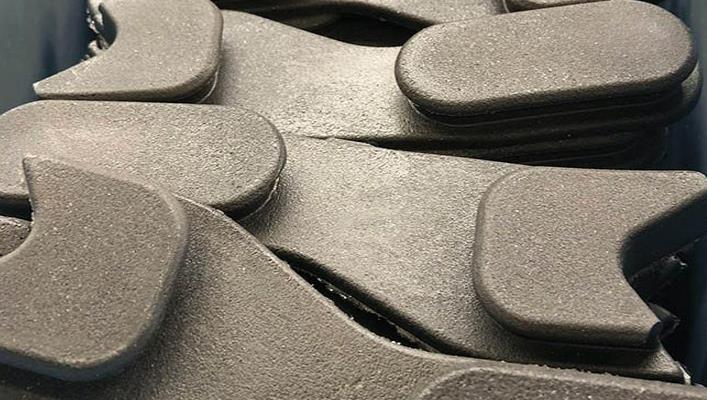
Select One Component and Two Component Systems by Curing Conditions
The practical method is to begin with curing conditions, then assess durability expectations, and finally confirm application needs. Do not start by choosing the system that appears easier to purchase. A one component paint is a reasonable starting point when the operation needs fewer preparation steps and the supplier confirms that the available curing environment supports the formulation. A two component paint is a reasonable starting point when the production team can manage controlled mixing and needs a system built around a separate curing component. The limit is clear: neither selection can be finalized without a substrate trial and a review of the supplier’s technical instructions. The most common failure occurs when a buyer selects a two component system without adequate mixing control, or selects a one component system without confirming whether the actual curing environment is suitable.
- List the available curing conditions. Record the production environment, available drying method, handling sequence, and time available before parts are moved. Choose neither system until these conditions are known.
- Define the durability requirement. State what the coated part will face during handling and end use. Avoid broad terms such as “high performance” unless the requirement is converted into a test plan.
- Review the application method. Confirm whether the plant uses manual application, spray equipment, or another approved method. Check whether operators can consistently mix and record batches if a two component paint is under review.
- Compare trial samples. Use the same substrate preparation and application conditions for each candidate. Evaluate appearance, adhesion, curing result, and handling suitability after the agreed test period.
- Document the approved process. Record product code, component ratio where applicable, mixing procedure, application conditions, curing conditions, and acceptance criteria before production release.
| Condition to Check | Action for One Component Paint | Action for Two Component Paint | Failure Reason to Avoid |
|---|---|---|---|
| Limited preparation time | Confirm that the stated curing process fits the production schedule. | Assess whether mixing adds avoidable delays or can be planned by batch. | Choosing only by convenience without reviewing curing requirements. |
| Strict durability target | Request a sample trial against the defined target. | Confirm the specified curing component and mixing procedure before testing. | Assuming the number of components guarantees durability. |
| Variable operator practice | Use clear application instructions and controlled surface preparation. | Introduce measured mixing, batch identification, and operator training. | Unrecorded ratios or inconsistent mixing. |
| Small repair batches | Assess handling convenience and compatibility with the approved coating. | Check whether a fresh mixed batch can be controlled without waste. | Using an unapproved repair material on a finished part. |
Polyurethane Paint Price Factors
Polyurethane paint pricing should be reviewed as a total process cost rather than a single purchase figure. A lower material price may not produce the lower operating cost if the coating requires additional preparation, creates excess waste, needs repeated application, or does not suit existing equipment. The first price factor is the selected chemistry and whether the system is supplied as one component or requires a separate compatible curing component. The second is the required color and finish, including any color paste requirement. The third is order format, packaging, and the need for testing or customized product work. The fourth is logistics and delivery planning. Sholee Chemicals states a 30-day timeframe and no MOQ in its company brief, which can be useful for purchasers planning samples, smaller trial orders, or staged purchasing. Buyers should still confirm the current lead time, available packaging, and product-specific quotation before issuing a purchase order.
| Cost Area | What to Request from the Supplier | Why It Matters |
|---|---|---|
| Coating material | Product name, packaging format, and quoted unit basis. | Allows accurate comparison between suppliers and pack sizes. |
| Curing component | Compatibility confirmation and whether it is quoted separately. | Prevents an incomplete two component system quotation. |
| Color materials | Approved color paste or pigment recommendation. | Reduces the risk of appearance variation during trials. |
| Application losses | Recommended application process and cleaning requirements. | Helps buyers estimate usable material rather than purchase quantity alone. |
| Trial supply | Sample availability, current lead time, and documentation provided. | Supports technical approval before wider purchasing. |
User Guide for Testing and Application
A controlled trial is the safest route before selecting either cure system for regular production. Begin by cleaning and preparing representative substrates using the approved plant process. Then label each panel or part with the coating system, batch details, substrate condition, application method, and cure conditions. For a two component paint, use only the specified curing component and follow the supplier’s stated mixing directions. Do not replace a curing component with another material because the packaging appears similar. Sholee Chemicals supplies paint curing agent products, but compatibility must be confirmed for the exact coating under evaluation. Apply the paint under controlled conditions, allow the agreed cure process, and assess the finished piece against written acceptance criteria. Check appearance, coverage, adhesion, and handling condition according to the requirements of the intended part. Keep retained samples and records so that a production issue can be traced back to the trial method.
Common Selection and Application Mistakes
- Skipping substrate preparation: A paint trial on an unrepresentative or poorly prepared surface cannot support a production decision.
- Mixing unapproved components: A two component system must use the curing material specified for that formulation.
- Changing several variables at once: Change one factor at a time during trials so the cause of a result can be identified.
- Approving from wet appearance: Evaluate only after the agreed cure process, because wet film appearance is not the finished coating result.
- Ignoring production handling: A sample can look acceptable but still fail to fit the plant’s movement, storage, or assembly sequence.
Sholee Chemicals Supplier Support and FAQ
Sholee Chemicals is a supplier of release agents, chemical additives, color paste, and paint curing agent products for industrial applications. The company also accepts customized industrial release agent requirements and supplies painting and chemical additive products. For buyers comparing one component paint and two component paint options, the useful starting point is a clear technical request that identifies the substrate, intended use, application method, curing conditions, desired color, and evaluation standard. The company brief states no MOQ, which can support early-stage sample evaluation where product fit must be established before a larger order. It also lists a 30-day timeframe, so procurement teams should align testing, approval, and purchasing schedules with the current quoted delivery arrangement. A well-prepared request reduces unnecessary sampling cycles and gives the supplier a clearer basis for recommending suitable materials.
FAQ of Polyurethane Paint
- Is one component paint always easier to use? It can involve fewer preparation steps, but it still requires correct surface preparation, application control, and suitable curing conditions. It is not automatically the right choice for every part.
- Does two component paint always provide better results? No. The result depends on correct component selection, mixing, application, curing, and substrate compatibility. A poorly controlled two component process can create avoidable defects.
- Can color paste be added to any polyurethane coating? No. Color materials should be selected and approved for the specific coating system. Confirm compatibility before mixing or production use.
- What should be included in a quotation request? Provide the substrate, application method, cure conditions, color requirement, expected use, requested quantity, and any test criteria. This information supports a more relevant product quotation.
If you are looking for a polyurethane paint or paint curing agent supplier, contact Sholee Chemicals for current product pricing and selection advice.