
What Is Polyurethane Paint and How Does It Cure
What Is Polyurethane Paint and How Does It Cure
What is polyurethane paint? At its core, it is a highly resilient and durable coating created from the chemical reaction between a polyol (a type of resin) and a di- or poly-isocyanate. This reaction forms a protective polymer film known for its exceptional resistance to abrasion, chemicals, and weathering. Unlike standard acrylic or alkyd paints that simply dry through solvent evaporation, polyurethane paint undergoes a chemical curing process, resulting in a hard, cross-linked surface that provides superior protection for industrial and commercial substrates.
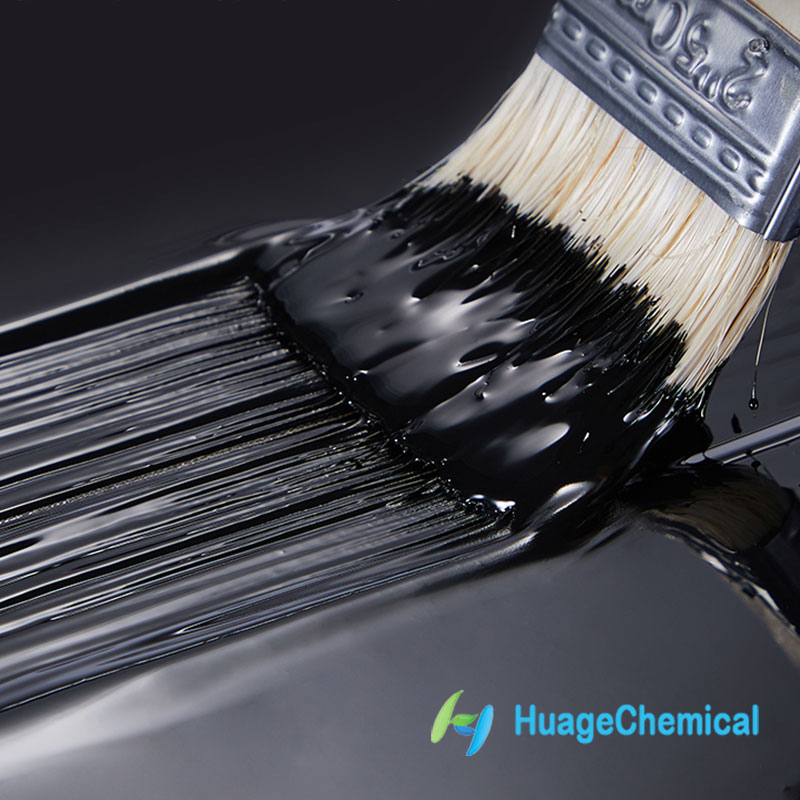
Types of Polyurethane Coatings
Polyurethane coatings are not a one-size-fits-all solution. They are formulated into different systems to meet specific performance, environmental, and application requirements. Understanding these distinctions is essential for selecting the right product for your manufacturing process.
- One-Component (1K) vs. Two-Component (2K): 1K systems come pre-mixed and cure by reacting with moisture in the air (moisture-cured urethanes). They offer convenience and are easier to apply. In contrast, two component polyurethane paint systems consist of a base resin (Part A) and a hardener or curing agent (Part B). These parts must be mixed in a precise ratio before application. The resulting chemical cross-linking creates a significantly more durable, chemical-resistant, and harder finish, making 2K systems the standard for high-performance industrial applications.
- Water-Based vs. Solvent-Based: Solvent-based polyurethanes have traditionally been favored for their excellent flow, fast drying times, and hard finish. However, they contain high levels of volatile organic compounds (VOCs). Water-based polyurethanes are a lower-VOC alternative, offering easier cleanup and less odor. While early water-based versions lagged in performance, modern formulations have greatly improved and now provide excellent durability for many applications.
- Aromatic vs. Aliphatic: This refers to the type of isocyanate used. Aromatic isocyanates are cost-effective and provide excellent chemical resistance but are prone to yellowing and degradation when exposed to UV light. They are best suited for primers or indoor applications where color stability is not a primary concern. Aliphatic isocyanates offer superior UV stability and color retention, making them the ideal choice for topcoats and exterior applications that require long-term aesthetic appeal.
Key Features of Polyurethane Coatings
The widespread adoption of polyurethane paint in demanding industries is due to a unique combination of performance characteristics. These properties translate directly into longer product life, reduced maintenance, and improved aesthetics for finished goods.
- Exceptional Durability: The cross-linked polymer structure created during curing gives polyurethane coatings outstanding resistance to abrasion, scratches, and impacts. This makes them ideal for high-traffic surfaces like PU shoe soles, automotive interior components, and industrial flooring.
- Chemical Resistance: Polyurethane paint provides a strong barrier against a wide range of chemicals, including oils, greases, solvents, and cleaning agents. This is a significant advantage for components used in industrial machinery, automotive parts, and metal die-casting applications.
- Flexibility: Unlike some hard coatings that can become brittle, polyurethane maintains a degree of flexibility. This allows it to expand and contract with the substrate without cracking or flaking, an important feature for products like flexible PU car carpets or wood-based panels that experience temperature fluctuations.
- High-Quality Finish: Polyurethane coatings can be formulated to achieve various finishes, from high gloss to satin and matte. The quality of the finish is also influenced by the pigment dispersion. Using a high-quality pu paste & pigment ensures consistent, vibrant color and opacity.
The Polyurethane Curing Process Explained
The transformation from a liquid paint to a hard, protective film is a chemical process known as cross-linking. Understanding the polyurethane curing process is key to appreciating its performance. In a typical two-component (2K) system, this process relies on the precise reaction between two primary components.
The reaction involves the following key elements:
- Part A: The Polyol Resin. This is the backbone of the paint system. It is a polymer with multiple hydroxyl (-OH) functional groups. The type of polyol used (e.g., polyester, polyether, acrylic) directly influences the final properties of the coating, such as its flexibility, hardness, and chemical resistance. A polyester polyol, for example, might be chosen for its excellent abrasion resistance, while an acrylic polyol could be selected for its superior weatherability.
- Part B: The Isocyanate Hardener. This component contains isocyanate (-NCO) functional groups. These groups are highly reactive and are designed to seek out and bond with the hydroxyl groups on the polyol resin. The choice of isocyanate (aromatic or aliphatic) determines the coating's UV stability and yellowing resistance.
- The Cross-Linking Reaction. When Part A and Part B are mixed, the isocyanate groups react with the hydroxyl groups to form urethane linkages. Because each polyol and isocyanate molecule has multiple reactive sites, this reaction doesn't just form simple chains; it creates a dense, three-dimensional polymer network. This interconnected structure is what gives the cured paint its strength, durability, and resistance to chemical attack. The solvent in the mixture evaporates, allowing these polymer chains to pack tightly together, completing the film formation.
Getting the chemistry right is essential. An incorrect mix ratio can leave unreacted polyols or isocyanates in the film, leading to a soft, sticky, or brittle coating that fails prematurely. The right custom chemical additives can also be introduced to modify this process, controlling flow, leveling, and cure speed to match specific production line requirements.
Common Industrial Applications
The versatile polyurethane coating properties make this paint suitable for a wide range of manufacturing sectors. At Sholee Chemicals, we supply additives and agents for many of these demanding environments.
- Footwear: Used extensively on PU soles to provide abrasion resistance and a high-quality finish. Color pastes are critical for achieving brand-specific aesthetics.
- Automotive: Applied to interior components like dashboards, door panels, and PU car carpets for scratch resistance and a soft-touch feel.
- Wood and Furniture: Provides a durable, clear, or pigmented coating for wood-based panels and furniture, protecting against scratches, stains, and moisture.
- Metal Finishing: Used as a protective topcoat on industrial machinery and in metal die-casting processes, often in conjunction with a specialized release agent to ensure clean part removal from molds.
- Paper and Packaging: Certain formulations are used to coat paper for food packaging, providing a barrier against grease and moisture.
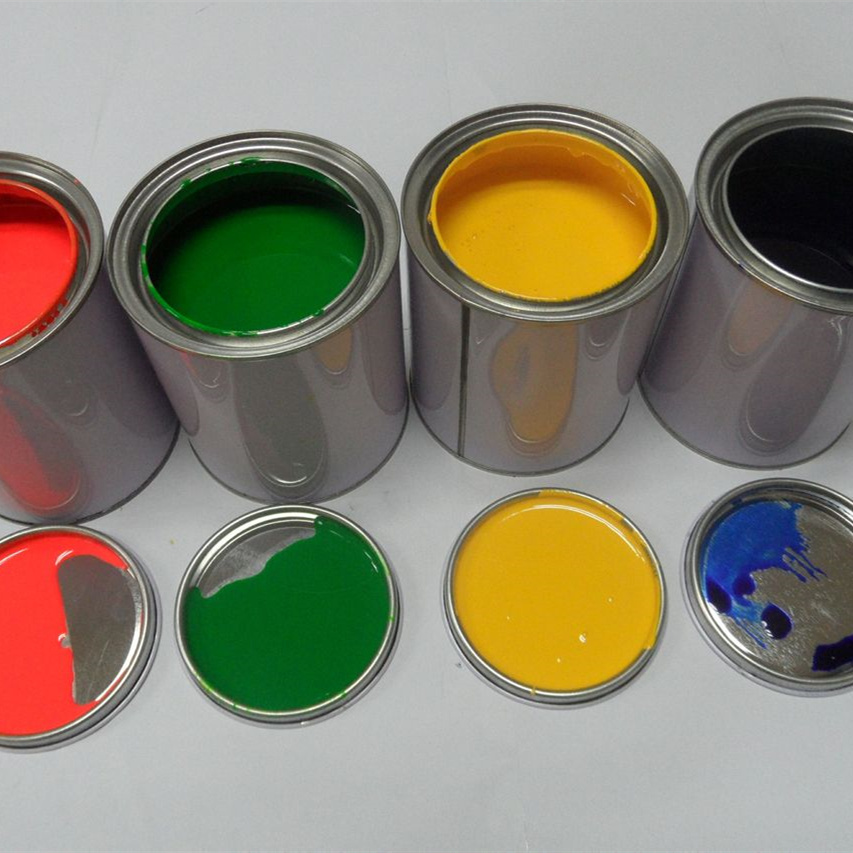
Factors That Influence Polyurethane Paint Price
The cost of industrial polyurethane paint can vary significantly based on its formulation and performance characteristics. Buyers should consider these factors when specifying a coating and budgeting for a project.
| Factor | Impact on Price | Explanation |
|---|---|---|
| System Type (1K vs. 2K) | Moderate | Two-component systems are generally more expensive due to the separate hardener, but they offer far superior performance and longevity, often resulting in a lower total cost of ownership. |
| Resin Base (Aromatic vs. Aliphatic) | High | Aliphatic-based paints, which provide UV stability, are significantly more costly than aromatic-based paints. The choice depends entirely on the product's exposure to sunlight. |
| Carrier (Solvent vs. Water) | Moderate | High-performance water-based formulations can sometimes be more expensive than their solvent-based counterparts due to more complex chemistry and additives required to achieve similar performance. |
| Pigment and Additives | Variable | High-quality, lightfast pigments and specialized additives (e.g., UV inhibitors, mar-resistant agents) will increase the cost but are necessary for achieving specific colors and performance metrics. |
| Order Volume | Variable | While bulk purchasing typically reduces per-unit cost, suppliers like Sholee Chemicals offer flexibility with no MOQ (Minimum Order Quantity), allowing for cost-effective procurement even for smaller or custom batches. |
Your Polyurethane Paint and Additives Supplier
As an experienced industrial paint supplier, Sholee Chemicals understands the complexities of polyurethane systems. We specialize not just in finished coatings but in the essential components that define their performance. Our product line includes high-performance color pastes, specialized chemical additives, and precisely formulated paint curing agents. We work with clients to develop customized solutions tailored to their specific application needs, whether for PU soles, automotive parts, or metal die-casting.
We support our clients' production schedules with flexible logistics, including a standard 30-day lead time and no MOQ requirements. This allows you to source the exact materials you need, when you need them, without being constrained by large batch orders. Our goal is to provide the chemical building blocks that create value for your products and contribute to your success.
Frequently Asked Questions about Polyurethane Paint
How long does polyurethane paint take to fully cure?
Curing times vary based on the specific formulation, ambient temperature, and humidity. A paint may be "dry to the touch" within a few hours, but achieving full chemical cross-linking and maximum hardness can take several days, often up to a week. Always refer to the manufacturer's technical data sheet.
Is polyurethane paint waterproof?
Yes, once fully cured, polyurethane forms a non-porous polymer film that is highly resistant to water and moisture. This makes it an excellent choice for protecting substrates from humidity, spills, and environmental moisture.
What is the main difference between polyurethane and epoxy paint?
Both are two-component systems known for durability. However, epoxy coatings generally offer superior adhesion and chemical resistance, making them ideal for primers or harsh industrial floors. Polyurethane is more flexible and has better UV resistance, making it the preferred choice for topcoats that require color stability and abrasion resistance.
If you are sourcing polyurethane paint components or need a custom formulation for your industrial application, please contact our technical team to discuss your requirements and request a quote.