
Sole Paint Storage and Batch Traceability FAQ for Importers
Sole Paint Importers Need Clear Storage and Traceability Answers Before Reordering
Sole paint is a pigmented, solvent- or water-based coating applied to PU and rubber shoe soles for color matching, surface protection, and gloss control during the last stage of production — our full range of shoe sole paint products is formulated for exactly this step. First-time buyers usually focus on unit price and color accuracy. By the second or third container, the questions that actually matter shift: does this batch cure the same way as the last one, can the supplier produce an SDS on request, and what happens if a customer complaint surfaces six months after the shoes ship? Skipping those checks before a repeat order is the regret we hear about most often from distributors who switched suppliers mid-contract without asking.
Types of Sole Paint
Not every sole paint behaves the same way once it leaves the drum, and picking the wrong type for your substrate is a common sourcing mistake. Solvent-based paint dries fast and bonds well to PU and rubber but needs ventilated storage away from open flame. Water-based paint is lower odor and easier to handle in enclosed factories, though it is more sensitive to humidity during cure. PU elastic paint stretches with the sole material, which matters for sports shoes that flex heavily. Metallic and pearl finishes carry special pigment pastes that need gentle stirring, not high-shear mixing, or the shimmer effect breaks down.
| Type | Base | Best Fit | Typical Dry Time |
|---|---|---|---|
| Solvent-based | Solvent | Rubber and dense PU soles | 15–25 minutes |
| Water-based | Water | Indoor factories, low-VOC lines | 25–40 minutes |
| PU elastic | Polyurethane | Sports and flex soles | 20–30 minutes |
| Metallic/pearl | Solvent or water | Fashion and seasonal lines | 20–35 minutes |
Features of Sole Paint
Good sole paint holds three properties at once: adhesion, flexibility, and color stability under repeated wear. Adhesion failure shows up as peeling at the toe box within weeks, which is almost always a sign of poor surface pre-treatment or an incompatible release agent used earlier in the molding step. That's why paint performance and release agent selection should be reviewed together rather than separately. Flexibility matters because soles bend thousands of times per week; brittle paint cracks along the flex line within one wash cycle. Color stability depends on pigment grade — paste pigments dispersed at the right particle size resist UV yellowing far better than cheap powder tints mixed on-site.
Sole Paint Applications
Beyond standard shoe soles, the same chemistry family shows up across PU car carpets, wood-based panels, and metal die casting lines where a protective or decorative topcoat is needed after molding. In footwear specifically, sole paint is paired with color paste for shade matching and with a paint curing agent to lock in hardness before packing. If your production line already orders pu paste & pigment for color work, sourcing the matching sole paint from the same supplier reduces the risk of shade drift between batches — a problem that is hard to catch until shoes from two different production runs sit side by side.
Sole Paint Price Factors
Price per kilogram swings more than buyers expect, and the swing is rarely about the base chemical alone. The main cost drivers are:
- Pigment loading — metallic and pearl finishes cost 15–30% more than solid colors due to specialty pigment paste.
- Drum size — smaller pack sizes (5–20kg) carry a higher per-kg cost than bulk 200kg drums, but we accept no minimum order quantity, so small-batch testing stays affordable.
- Customization — custom color matching or a modified cure speed adds formulation time, typically reflected in a small setup charge rather than a per-kg markup.
- Lead time pressure — standard production and shipping runs around 30 days; rushing that window usually adds cost for expedited logistics, not for the paint itself.
Buyers comparing quotes should always ask whether the price includes a curing agent or if it's sold separately — some suppliers quote paint alone and add the curing agent as a hidden line item later.
Storage, Shelf Life, Lot Coding, SDS and Traceability FAQ
This is the section most importers skip on their first order and then wish they hadn't. Here are direct answers for repeat import planning:
- Storage temperature: Keep drums between 5°C and 30°C, away from direct sunlight and heat sources. Solvent-based paint is the most temperature-sensitive — above 35°C, viscosity drops and pigment can separate.
- Shelf life: Most sole paint formulations hold stable for 6 to 12 months unopened, depending on the pigment system. Opened drums should be resealed tightly and used within 30 days to avoid skin-forming on the surface.
- Lot coding: Every drum is marked with a production date and batch number. Keep this code on file — it's the fastest way to match a quality issue back to a specific mixing run rather than guessing across an entire shipment.
- SDS availability: Safety Data Sheets are available on request per product family. Request the SDS before the first shipment, not after, since customs clearance in some countries requires it upfront.
- Traceability for repeat imports: We recommend logging batch numbers against each PO internally. If a color or cure issue appears later, matching the batch number lets us check the original mixing record instead of relying on memory or guesswork.
One limitation worth stating plainly: shelf life estimates assume unopened, properly stored drums. Once humidity or temperature control fails — for example, a container sitting on a dock in summer heat for two weeks — the stated shelf life no longer applies, and a fresh quality check is the only reliable option before use.
Common Storage Mistakes to Avoid
- Stacking drums more than three high, which stresses lower lids and risks leaks.
- Storing solvent-based paint next to curing agents or open flame sources.
- Ignoring the batch number when multiple shipments arrive close together.
- Using opened drums after 30+ days without checking for skinning or separation first.
Sole Paint Supplier
Sholee Chemicals supplies sole paint, release agent, color paste, and paint curing agent products to footwear manufacturers and distributors who need consistent batches across repeat orders. We accept custom formulation requests for specific viscosity, cure speed, or color matching, and we do not enforce a minimum order quantity — useful when you want to test a new shade or substrate before committing to a full container. Standard production and delivery runs around 30 days from confirmed order. Every batch carries a lot code and date stamp, and SDS documentation is available on request to support customs and internal QC records for repeat importers.
FAQ of Sole Paint
Can I get a sample before placing a bulk order?
Yes. Small sample quantities can be arranged since there is no minimum order quantity, which is the simplest way to confirm color and cure behavior on your own soles before scaling up.
Does color stay consistent between different production batches?
Pigment dispersion is controlled per batch, but minor shade variation is normal across any paint product. Keeping your batch numbers on file lets us compare a new shipment against the original approved sample if a concern comes up.
What happens if a drum arrives damaged or leaking?
Report it with photos and the lot code as soon as it's received. The lot code is what allows us to check the specific mixing and packing record tied to that drum.
Is the SDS the same for every color variant?
No — SDS documents are issued per product family and can vary slightly by pigment type, especially for metallic or pearl finishes. Always request the SDS for the exact product code you're ordering.
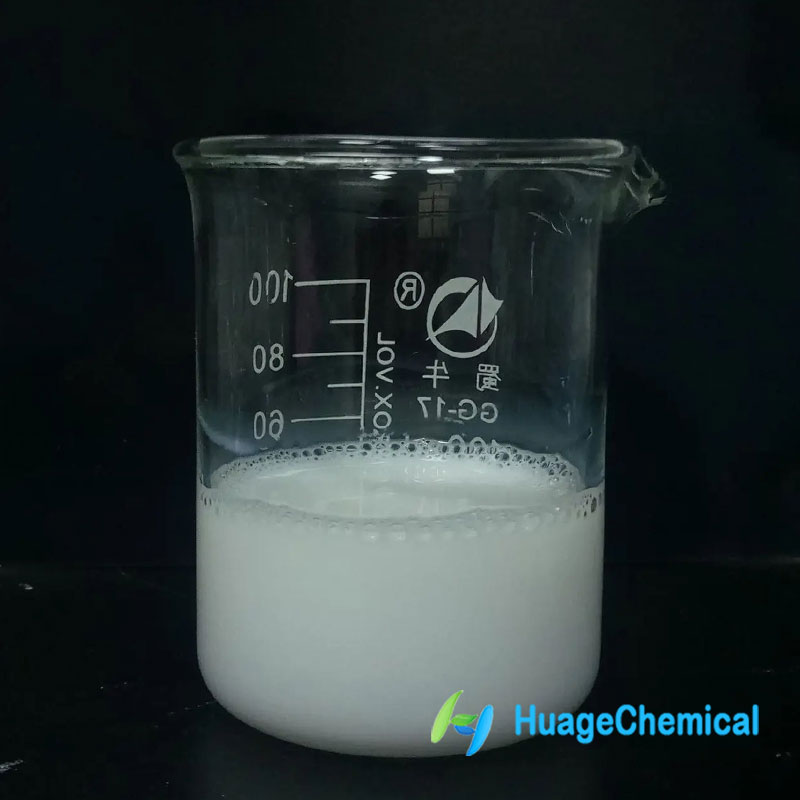
If you are preparing a repeat order and need current lead times, SDS copies, or a sample of our sole paint for your own line trial, contact Sholee Chemicals directly for a quote and batch documentation.