
Verify Shoe Sole Coating Suppliers for Flex Durability
Verify Shoe Sole Coating Suppliers for Flex Durability
What Shoe Sole Coating Is and Why Flex Evidence Matters
Shoe Sole Coating is a thin protective and decorative film applied to the surface of PU, rubber, EVA or similar sole materials. It sets the color and finish, and it has to stay bonded while the sole bends, scuffs and ages in storage. A coating that looks perfect on a flat sample can still crack at the toe break or peel at the edge after a few weeks of wear. Buyers who only compare color cards and unit price tend to find this out after bulk shoes are already in the warehouse. That is the sourcing risk this article addresses: what to ask a supplier for, and how to read the answer, before you send an RFQ.
In short, a coating is not a finished product on its own. Its performance depends on the substrate, the curing system, the pigment loading and how it is applied. Any supplier data you receive should therefore state which sole material and which process it was produced on.
Types of Sole Coating Systems
Sole coatings are usually grouped by chemistry and by curing method. The right choice depends on the sole material, the finish you need and the production line you run. The table below summarizes the common groups and where each one has limits.
| System type | Typical fit | Limit to check |
|---|---|---|
| Solvent-based PU coating | PU and rubber soles that need a durable film | Solvent handling rules and local emission requirements |
| Water-based coating | Brands with strict chemical-use policies | Drying time and adhesion on low-energy surfaces |
| Two-component coating with a hardener | Soles under heavy flexing or abrasion | Mixing ratio and pot life must be controlled on the line |
| Colored or pigmented coating | Brand-specific color matching | Pigment compatibility with the resin and hardener |
Two-component systems depend on the curing agent chosen, so ask any supplier which hardener the test data was produced with. Results from one hardener do not transfer to another.
Features That Separate a Usable Coating from a Risky One
For footwear, four features matter more than gloss or drying speed. First, adhesion to the specific sole substrate, including edges and curved zones. Second, flexibility, so the film moves with the sole rather than cracking. Third, abrasion resistance, so the color does not wear through on the heel and forefoot. Fourth, stability after aging, so the film does not yellow, harden or lose bonding in storage and transit.
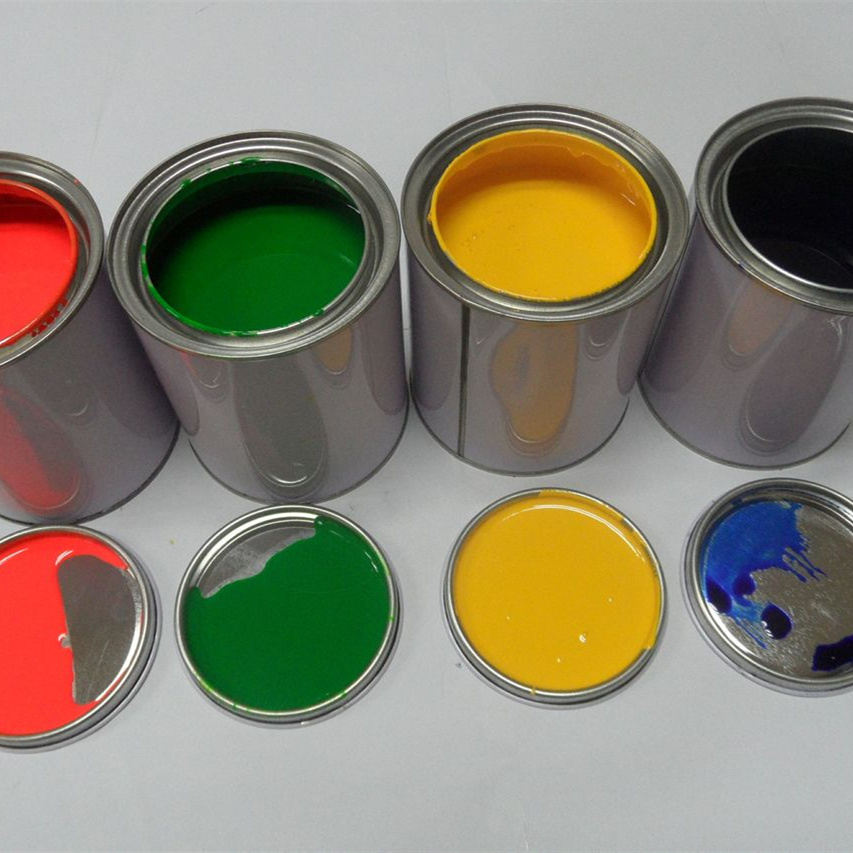
Color consistency is a fifth concern for brand programs. If the supplier also provides pu paste & pigment, confirm that batch-to-batch color tolerance is something you can agree on in writing. These features apply to most sole programs. A fashion sole worn a few times a month needs a different balance from a work-boot sole, so set your acceptance criteria by use case rather than copying a generic spec.
Where Sole Coatings Are Applied
Coatings are used on PU outsoles, rubber cupsoles, EVA midsoles, injection-molded soles and some sports and casual footwear. Typical goals are color finishing, surface protection and a more uniform appearance after molding. In PU sole production, the mold release stage can also affect coating adhesion, because residue from a release agent left on the sole surface can weaken the bond. When a coating fails adhesion, the cause is sometimes upstream in the process, not in the coating itself. A capable supplier will ask about your release agent, your cleaning step and your substrate before recommending a formula.
A Supplier Verification Method Based on Flex, Abrasion and Aging Evidence
Most supplier pages describe a coating. Few show what happens after thousands of bends. The method below turns three actions into a pre-RFQ checklist. You ask for the evidence, check how the test was set up, and compare it with your own acceptance level. We do not give pass thresholds here, because they depend on your brand standard and sole material.
| Check | What to request | What useful evidence looks like | Red flag |
|---|---|---|---|
| Flex-cycle adhesion | Report on a coated sole sample flexed repeatedly, with the cycle count stated | Named substrate, cure conditions, cycle count, photos after testing, any lifting at the flex zone noted | "Passed" with no cycle count or substrate |
| Abrasion retention | Wear test result showing film or color loss after a defined abrasion exposure | Method named, before and after images, description of how much coating remained | Only a dry-feel or hardness claim |
| Post-aging crack inspection | Photos or inspection notes after the sample has been aged, then flexed | Aging condition and duration stated, crack inspection done at the flex zone after aging | Fresh-sample results only |
Worked example
Imagine a buyer sourcing a PU casual sole. The supplier sends a flex report, but it was run on a rubber sample, and no aging step is mentioned. The buyer asks for a repeat on the buyer's own sole material, with a stated cycle count and a post-aging flex inspection. Only that second report matches the actual product. This is an illustration of the method, not a specific customer case.
Limits of this method
Lab data on a sample is not a guarantee of field performance. It shows the supplier can document results and that the coating survives a defined stress. Final approval should still include a production-line trial with your substrate and your application method.
Shoe Sole Coating Price and What Moves It
Price is rarely a single figure, and a low quote can hide higher rework costs. These are the main factors that change the number:
- Resin chemistry: solvent-based, water-based and two-component systems differ in raw material cost.
- Curing agent and additives: a specific hardener or flexibility additive adds cost but may be what the flex data depends on.
- Pigment and color matching: custom shades and tight tolerances cost more than standard colors.
- Test and documentation needs: repeat testing on your substrate takes time and materials.
- Packaging and shipping: drum size, destination and freight method affect the landed price.
- Order size: volume often shapes unit price, though Sholee Chemicals works with no MOQ.
Compare quotes on cost per pair coated, including rework risk, not only price per kilogram.
Application Guide for Consistent Results
Even a well-tested coating fails when the process drifts. A practical sequence for a first trial:
- Clean the sole surface and remove release agent residue or dust.
- Confirm the substrate matches the one used in the supplier's test report.
- Mix any two-component system at the stated ratio and observe pot life.
- Apply an even film and keep thickness consistent, especially in flex zones.
- Cure under the stated temperature and time, then rest the sole before flexing.
- Run your flex, abrasion and aging checks on trial pairs before approving bulk.
Common mistakes
- Accepting test data from a different substrate.
- Skipping the surface cleaning step after molding.
- Changing the hardener ratio to speed up curing.
- Judging a coating only on day-one appearance.
Shoe Sole Coating Supplier: Sholee Chemicals
Sholee Chemicals supplies release agents, chemical additives, color paste and paint curing agents, and accepts customized industrial release agent, painting and chemical additive products. Our application areas include PU soles, PU car carpets, wood-based panels, food paper, metal die casting, and paint and glue curing agent products. For sole programs, that range lets us discuss the coating together with the release stage, the hardener and the color system rather than as an isolated item.
Our stated terms are no MOQ and a 30-day timeframe. Please confirm in writing what the 30 days covers for your order, along with the scope, acceptance method and test responsibility. We have no certifications or customer case figures to quote here, so we suggest you request the flex, abrasion and aging reports described above and compare them with your own standard. Our aim is to create value for customers and contribute to society.
FAQ of Shoe Sole Coating
What test data should I request before an RFQ?
Ask for flex-cycle adhesion, abrasion retention and post-aging crack inspection, each with the substrate, conditions and cycle count stated.
Can a supplier's report replace my own trial?
No. A report shows documented capability. Your own trial on your sole material and line confirms fit.
Does a hardener change flex performance?
Yes. The curing agent and its ratio can change flexibility and adhesion, so the report must name the system tested.
Is there a minimum order quantity?
Sholee Chemicals offers no MOQ. Confirm quantity-related terms in your quotation.
If you are looking for a sole coating, release agent or curing agent supplier, send us your substrate, target finish and test requirements, and we will reply with selection advice and a current quotation.