
PU Pigment Cost per PU Batch
PU Pigment Cost per PU Batch
PU Pigment is a colorant material added to a polyurethane formulation to produce a controlled finished color in molded, coated, cast, or processed PU parts. For a factory buyer, the sourcing risk is simple: a low quoted price per kilogram can still create a higher color cost per accepted batch if the paste requires more addition, gives an unsuitable shade result, or leaves surplus inventory because of a supplier’s minimum order requirement. The relevant purchasing question is therefore not only “What is the PU pigment price?” It is “What will color actually cost after dosage, pigment concentration, shade-correction scrap, and purchasing terms are included?” Sholee Chemicals supplies color paste alongside release agent, chemical additives, paint curing agent products, and related industrial products. Buyers should request product-specific technical information before approving a grade because color strength, compatibility, concentration, and processing behavior must be matched to the intended PU system.
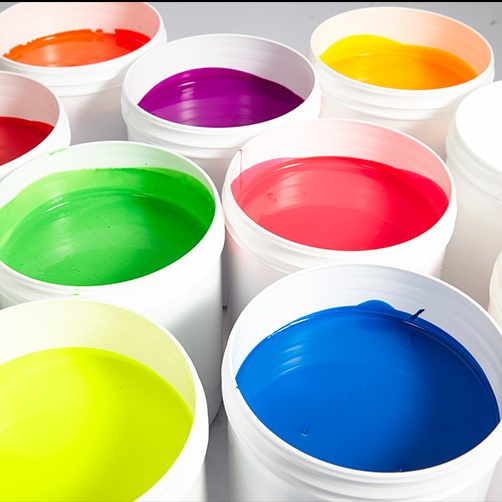
Types of colorants that buyers should separate before comparison
Colorant quotes are only comparable when the product format and intended use are the same. In polyurethane processing, buyers may encounter pigment pastes, liquid color dispersions, dry pigments, pre-colored compounds, and post-process coating colors. Sholee Chemicals lists color paste within its product scope, which is relevant where a buyer wants to meter a colorant into a PU formulation rather than purchase pre-colored material. The practical conclusion is to compare paste against paste when calculating material cost for an in-process PU batch. A dry pigment may show a lower price per kilogram but require separate dispersion control; a coating product may be suitable for surface appearance but not for coloring the PU mass. This distinction fits production planners purchasing color for molded PU soles, PU car carpets, or other polyurethane components. It does not apply when the buyer is selecting a decorative topcoat, a masterbatch, or a ready-colored finished item, because those products use different cost logic and acceptance criteria.
| Colorant option | Typical purchasing question | Cost comparison basis | When it should not be compared directly |
|---|---|---|---|
| Color paste | How much paste is required for the target shade? | Cost per accepted PU batch | Do not compare directly with a coating or finished colored component. |
| Dry pigment | Can the plant disperse it consistently? | Material cost plus dispersion and correction exposure | Do not assume dry-powder pricing equals paste economics. |
| Pre-colored PU material | Does it reduce internal mixing work? | Finished-material cost and process savings | Do not use paste dosage calculations without supplier formulation data. |
| Surface coating color | Is color required only on the exterior? | Coating consumption per part or area | Do not treat it as in-mass polyurethane colorant. |
Features that affect color cost more than the quoted kilogram price
The most useful feature comparison is not a generic color chart. It is the relationship between pigment concentration, polyurethane pigment dosage, compatibility with the buyer’s PU system, and shade repeatability under the actual process conditions. A more concentrated paste may cost more per kilogram but may need less addition to achieve the required color. Conversely, a lower-priced paste can raise cost per batch if more material is needed or if repeated shade correction creates rejected material. The conclusion for purchasing teams is to ask for the pigment concentration basis and the recommended addition range for the intended formulation before ranking suppliers by price. This is especially suitable for buyers who are qualifying several grades for the same molded item. It is not sufficient for a final approval by itself, because the actual shade can vary with the PU raw materials, fillers, density, mold conditions, coating sequence, and the finished part’s surface. A quote should therefore be tied to a defined color standard and an agreed test method.
- Pigment concentration: Ask whether the stated value refers to active pigment content in the paste. This affects how much paste must be added.
- Dosage basis: Confirm whether the supplier’s recommended dosage is based on total formulation weight, polyol-side weight, or another agreed basis.
- Compatibility: Confirm that the paste is intended for the buyer’s PU process and not merely for a different polyurethane application.
- Shade target: Provide the required standard, sample, or approved reference so pricing is connected to a usable color rather than a name alone.
- Correction exposure: Record how much material may be lost if a shade needs adjustment after mixing or molding.
Applications where batch color economics need different controls
Batch-cost calculations should reflect the application rather than applying one purchasing rule to every polyurethane product. For PU soles, color can be part of the molded material, while a separate shoe sole paint may be relevant when appearance is added after molding. For PU car carpets, color consistency may need to be evaluated against substrate appearance and process conditions. Other stated application areas for Sholee Chemicals include wood-based panels, food paper, metal die casting, paint, and glue curing products; however, those applications should not be assumed to use the same color paste or the same dosage method as polyurethane. The practical conclusion is to calculate colorant expense at the point where the product is actually colored: in the PU mix, in a coating operation, or in another additive stage. This approach fits factories with multiple production lines and different color routes. It does not apply if a buyer has not yet confirmed whether the desired appearance comes from mass coloration, paint, or a finished-material supplier.
Calculate batch color cost using dosage concentration scrap and MOQ
A sound pigment paste cost calculation separates consumption from cash tied up in inventory. The formula below gives purchasing and production teams a common method for comparing quotations. Start with the amount of colored PU to be produced, then determine the effective pigment amount required for the approved shade. Divide that amount by pigment concentration to identify paste consumption. Next, include expected shade-correction scrap because material that is mixed but not accepted still consumes colorant. Finally, compare the calculated requirement with the supplier’s minimum order quantity. Sholee Chemicals states that it offers no MOQ, which can reduce unnecessary inventory exposure for buyers whose color demand is limited or highly variable. The supplied company information also states 30 days; an RFQ should specify what that period covers and whether it applies to the requested item, quantity, and destination. This formula is suitable for quote comparison before a purchase order is issued. It does not replace a production trial or an agreed shade approval process.
| Formula element | Meaning | How the buyer should use it |
|---|---|---|
| B | Total PU batch mass planned for coloration | Use the same batch basis for every supplier quote. |
| E | Effective pigment mass fraction required for the approved shade | Obtain from approved formulation data or trial results. |
| C | Pigment concentration in the paste | Confirm the supplier’s concentration definition before calculation. |
| R | Paste dosage rate, where R = E divided by C | Use this to calculate paste needed for the PU batch. |
| S | Expected scrap fraction from shade correction or rejected color | Use actual internal production records where available. |
| P | Quoted paste price per kilogram | Use the same trade terms, currency, and delivery scope across quotes. |
| M | Minimum order quantity | Compare it with the calculated paste requirement and expected reuse of surplus. |
Required paste before correction allowance: Q = B × R, or Q = B × E ÷ C. Paste requirement including shade-correction scrap: Q adjusted = Q ÷ (1 − S). Colorant consumption cost for an accepted batch: Q adjusted × P. Cash required for the purchase: the greater of Q adjusted or M, multiplied by P. Where a supplier has no MOQ, the buyer can assess the quote against calculated demand without automatically purchasing unused excess material. This does not mean no inventory risk exists. A buyer still needs to consider pack size, color change frequency, shelf-life requirements if specified by the supplier, freight, handling, and whether remaining paste can be used in later production. The lowest PU colorant cost per kg should therefore be treated as one input, not the final decision.
A practical procedure for comparing quotations before approval
Use one calculation sheet for all suppliers and lock the assumptions before comparing totals. First, define the exact PU formulation and the batch mass to be evaluated. Second, identify whether the quoted product is a pigment paste intended for in-mass PU coloring or another color product. Third, request the concentration basis, recommended dosage basis, quoted price basis, and any purchasing condition that affects the order quantity. Fourth, apply the same scrap allowance from internal records to every option unless a controlled trial proves a different outcome. Fifth, separate colorant consumption cost from order cash requirement caused by MOQ. Sixth, send the preferred candidate through a shade and process review before releasing full production purchasing. This procedure fits procurement managers who need an auditable comparison between quote price and manufacturing cost. It does not apply where the formulation is still being developed, because the effective dosage and correction allowance have not yet been established.
- Define the target color and acceptance reference.
- Confirm the PU batch basis used by the plant.
- Request pigment concentration and dosage information for each quoted paste.
- Calculate paste usage from the intended shade requirement.
- Add the plant’s expected shade-correction scrap allowance.
- Calculate consumption cost and purchase cash requirement separately.
- Check whether surplus material can be used in later orders.
- Approve only after color, compatibility, and process conditions are agreed.
Common buying mistakes that distort the apparent PU pigment price
The most common mistake is selecting a colorant solely because its quoted kilogram price is lower. That comparison ignores dosage, concentration, rejected material, and minimum order exposure. Another mistake is using a supplier’s dosage recommendation without confirming the denominator; a percentage based on one formulation component cannot automatically be applied to total batch weight. Buyers also risk comparing a paste used for molded PU against a surface finish such as shoe sole paint, even though the products solve different appearance requirements. A further issue is excluding process materials from the production budget. For molded operations, the correct release agent may be a separate purchasing and process consideration, not part of the pigment paste calculation. Where the PU formulation requires a separate cure-related product, review the relevant curing agent cost independently. These checks are suitable for preventing false quote comparisons. They do not determine chemical compatibility; that remains a product-specific technical question for the supplier and the buyer’s formulation team.
- Mistake: Comparing price per kilogram only. Better method: Compare cost per accepted colored batch.
- Mistake: Ignoring pigment concentration. Better method: Convert the target effective pigment need into paste dosage.
- Mistake: Treating all rejected material as free. Better method: Include shade-correction scrap in required paste usage.
- Mistake: Ignoring MOQ. Better method: Record both consumed cost and purchase cash requirement.
- Mistake: Mixing application categories. Better method: Confirm whether color is in the PU mass or added as a coating.
Sholee Chemicals supplier fit and information to confirm in an RFQ
Sholee Chemicals can be relevant to buyers looking for a supplier offering color paste together with release agent, chemical additives, and paint curing agent products for industrial applications. Its stated scope includes PU soles and PU car carpets, which may be relevant to buyers evaluating polyurethane-related color and process materials. The documented no-MOQ position is particularly useful for factories that need to avoid buying more color paste than their forecast can consume, although the buyer should confirm availability, packaging, price validity, and shipment details for the exact requested grade. The company also states 30 days, but the order inquiry should clarify the meaning of that stated period before it is included in a production plan. A suitable RFQ should include the PU application, target shade, required batch basis, expected dosage basis, demand forecast, destination, and whether the buyer needs only color paste or related products. This supplier fit does not establish product specifications, certifications, testing arrangements, or universal delivery terms, because those details are not provided in the available company information.
FAQ of polyurethane colorant cost calculation
Buyers often ask how much pigment for polyurethane is required, but the answer cannot be derived from a price list alone. The required addition depends on the target shade, active pigment concentration in the selected paste, the PU formulation, and the dosage basis used by the supplier. Another frequent question is whether a higher-priced paste is automatically more expensive. It is not: a higher-priced product may require less addition if its concentration and approved color performance support lower consumption, but that must be verified using product-specific data. Buyers also ask whether no MOQ means every requested quantity can be supplied immediately. No MOQ addresses the minimum-order condition stated by Sholee Chemicals; it does not by itself define availability, packaging, freight, or delivery timing. The practical answer is to request a quote that lists the exact product, quantity, price basis, and applicable order conditions, then run the same batch-cost formula for each option.
- Should scrap be included in colorant cost? Yes. Include expected shade-correction or rejected-color exposure when estimating cost per accepted batch.
- Can one dosage be used for every PU product? No. Dosage must be confirmed for the specific formulation, shade, and process.
- Is colorant cost the same as the quoted paste price? No. The quote is an input; actual batch cost also depends on dosage, concentration, scrap, and order terms.
- What should an RFQ contain? State the PU application, color target, expected demand, batch basis, requested product format, and destination.
For a current color paste quotation and help structuring a batch-cost comparison, contact Sholee Chemicals with your PU application, target shade, and expected purchase quantity.