
Sourcing Shoe Sole Coatings for High-Wear Footwear
Sourcing Shoe Sole Coatings for High-Wear Footwear
A shoe sole coating is a specialized chemical formulation applied to the bottom of footwear to provide color, finish, and critical protection. Sourcing the wrong one introduces significant business risk. A coating that fails prematurely—by cracking, peeling, or fading—directly impacts brand reputation and leads to costly returns. Before issuing a purchase order, a sourcing manager must evaluate potential suppliers not just on price, but on their ability to deliver consistent, high-performance formulations that match specific substrate and wear requirements.
This guide provides a framework for qualifying suppliers and specifying coatings for demanding applications like work boots, athletic shoes, and safety footwear. We will cover the different types of formulations, key performance metrics to include in your RFQ, and a detailed workflow for vetting potential partners.
Understanding Coating Formulations for Footwear
The chemical base of a coating determines its core properties, including flexibility, durability, and application method. While many hybrid formulations exist, most sole coatings fall into several primary categories. Choosing the right one depends on the sole's material (PU, rubber, EVA), the desired finish (matte, gloss), and the performance demands of the end product.
- Polyurethane (PU) Coatings: This is the most common type for PU soles due to its excellent compatibility and flexibility. PU coatings form a strong bond with the substrate, creating a finish that can stretch and bend with the sole without cracking. They offer superior resistance to abrasion and scuffs, making them ideal for everything from casual sneakers to industrial work boots. The final properties can be adjusted by using different types of curing agent products, allowing for a wide range of hardness and elasticity.
- Water-Based Coatings: Driven by environmental regulations and workplace safety concerns, water-based formulations are gaining popularity. They use water as the primary solvent, reducing volatile organic compound (VOC) emissions. Modern water-based coatings offer performance that can rival solvent-based systems, but they often require more controlled drying conditions (temperature and humidity) to cure properly. They are an excellent choice for brands focused on sustainability.
- Solvent-Based Coatings: These traditional coatings use organic solvents to carry the resins and pigments. They are known for their fast drying times, high gloss potential, and robust chemical resistance. However, due to their high VOC content, their use is increasingly restricted in many regions. They remain relevant for specific applications where their unique performance characteristics are a necessity.
- Rubber-Based Coatings: Formulated specifically for rubber and TPR (thermoplastic rubber) soles, these coatings contain elastomers that ensure strong adhesion and flexibility on these challenging substrates. Applying a standard PU coating to a rubber sole often results in peeling because the coating cannot bond effectively.
Key Performance Characteristics to Specify in Your RFQ
When sourcing a high-wear shoe sole coating, providing a detailed technical specification is essential to get comparable quotes and ensure the product meets your needs. Vague requests lead to mismatched samples and production delays. Use the following checklist to build a clear request for quotation (RFQ) that communicates your exact requirements to potential suppliers.
Buyer's RFQ Checklist for Sole Coatings
| Parameter to Specify | Why It Matters | Example Specification |
|---|---|---|
| Substrate Material | The coating must be chemically compatible with the sole material (e.g., PU, EVA, Rubber, PVC) to ensure proper adhesion. A mismatch is the primary cause of coating failure. | "Polyurethane (PU), Shore A hardness 60-65" |
| Abrasion Resistance | This measures the coating's ability to withstand friction and wear from walking. It is the most important indicator for durability in high-wear footwear. | "Must pass Taber abrasion test (CS-17 wheel, 1kg load) for 500 cycles with no substrate exposure." |
| Flexibility / Mandrel Bend | The coating must bend with the sole without cracking or crazing. This is critical for the toe and flex points of the shoe. | "No cracking or delamination after 180-degree bend over a 1/8-inch mandrel at 0°C." |
| Adhesion (Cross-Hatch Test) | This test quantifies how strongly the coating is bonded to the sole. Poor adhesion leads to flaking and peeling, especially in wet conditions. | "Must achieve a minimum rating of 4B per ASTM D3359 cross-hatch adhesion test." |
| Color and Gloss Level | Specify the exact color (e.g., Pantone code) and desired gloss level (e.g., matte, semi-gloss, high-gloss) to ensure brand consistency. | "Color: Pantone 19-4052 Classic Blue. Gloss: 20° gloss level of 15-20 units." |
| Chemical Resistance | For industrial or outdoor footwear, specify resistance to common chemicals like oils, salts, or mild acids the shoe might encounter. | "No visible change after 24-hour spot test with hydraulic oil and rock salt solution." |
A Sourcing Manager's Workflow for Supplier Qualification
Moving beyond the spec sheet to qualify a supplier requires a structured approach. The goal is to gather evidence that a supplier can not only meet your technical requirements on a sample but can also deliver that same quality consistently across thousands of units. A weak qualification process is a direct path to production problems. Focus your evaluation on three critical areas: abrasion resistance, substrate adhesion, and batch consistency.
Here is a workflow to guide your supplier evaluation process, outlining the checks to perform and the risks you are mitigating at each step.
Supplier Vetting Workflow: Key Evaluation Points
-
Step 1: Technical Documentation Review
- What to Check: Request the supplier's Technical Data Sheet (TDS) and Material Safety Data Sheet (MSDS) for the proposed coating. The TDS should list physical properties like viscosity, solid content, and recommended application parameters.
- Why It Matters (Risk Mitigation): An incomplete or vague TDS is a red flag. It suggests a lack of standardized production and quality control. Without clear parameters, your factory will struggle to apply the coating consistently, leading to variable results.
-
Step 2: Sample Evaluation on Your Substrate
- What to Check: Provide the supplier with actual samples of your shoe soles for them to coat. Do not rely on their in-house test plaques. Once returned, perform your own adhesion (cross-hatch) and flexibility (mandrel bend) tests.
- Why It Matters (Risk Mitigation): A coating may perform well on a supplier's ideal test surface but fail on your specific sole material due to residual release agent or surface texture. Testing on your actual product is the only way to validate real-world performance.
-
Step 3: Proof of Batch Consistency
- What to Check: Ask the supplier for Certificates of Analysis (CoA) from three different production batches of the same product. Compare the values for key metrics like viscosity, specific gravity, and color. The values should be very close.
- Why It Matters (Risk Mitigation): Large variations between batches mean your production line will constantly need to adjust spray gun settings or drying times. This inconsistency is a major cause of quality fade, where the product quality declines over time even if the initial sample was perfect.
-
Step 4: Small-Scale Pilot Run
- What to Check: Before placing a large order, conduct a pilot run of 50-100 pairs. Assess the ease of application, drying time under your factory's conditions, and the final appearance.
- Why It Matters (Risk Mitigation): This final check uncovers practical issues that lab tests cannot. It validates that the coating is not only technically sound but also compatible with your existing production workflow and equipment.
Common Applications and Substrate Matching
The effectiveness of a coating is defined by its interaction with the sole material. Applying the wrong formulation results in delamination and failure. High-wear applications, in particular, require precise matching of the coating system to the substrate to handle the mechanical stresses of daily use.
For polyurethane (PU) soles, which dominate the market for direct-injected footwear, a two-component polyurethane coating is the standard. This system creates a covalent bond with the PU substrate, effectively becoming a single, integrated unit that flexes without peeling. When color is a primary concern, specialized pu paste & pigment is used within the coating formulation to ensure deep, lasting color that resists fading from UV exposure and cleaning.
For other substrates, different approaches are needed:
- EVA (Ethylene-Vinyl Acetate): Common in midsoles and lightweight casual shoes, EVA is a closed-cell foam that can be difficult to bond with. It often requires a specific primer to promote adhesion before the topcoat is applied.
- Rubber (Natural and SBR): Due to its low surface energy and tendency to leach oils, rubber requires either a specialized rubber-based paint or a multi-step process involving surface halogenation or plasma treatment to prepare it for coating.
- TPR (Thermoplastic Rubber): This material shares challenges with rubber and often needs a dedicated primer to ensure a durable bond between the coating and the sole.
Factors That Influence Coating Costs
While per-liter cost is a key factor, the total cost of using a specific shoe sole coating is more complex. A cheaper product that requires a thicker application or results in a higher rejection rate can be more expensive in the long run. When evaluating pricing, consider the following elements that contribute to the total value:
- Solid Content: This is the percentage of the coating that remains on the sole after the solvents or water have evaporated. A coating with a higher solid content may have a higher price per liter, but you will use less of it to achieve the same film thickness, potentially lowering the cost per sole.
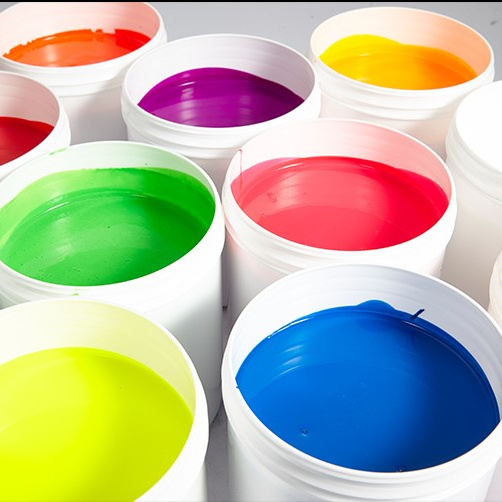
- Pigment Quality: High-quality pigments provide better hiding power, meaning you can achieve the target color with a thinner, lighter coat. Lower-quality pigments may require multiple coats, increasing both material consumption and labor time.
- Batch-to-Batch Consistency: As mentioned, a supplier who provides high consistency reduces hidden costs. You spend less time and labor adjusting equipment and have fewer rejected parts, directly improving your production efficiency.
- Technical Support: A supplier who provides expert technical support can help you optimize your application process, reducing waste and improving quality. This support has tangible value that goes beyond the price on the invoice.
Sholee Chemicals: Your Partner for Footwear Solutions
At Sholee Chemicals, we specialize in developing and manufacturing high-performance chemical solutions, including coatings, additives, and color pastes for the footwear industry. With a focus on technical excellence, we help our clients source coatings that meet stringent durability and aesthetic requirements. Our no-MOQ policy and 30-day terms are designed to support businesses of all sizes, allowing you to test and qualify our products with minimal risk. We offer customized formulations to match your specific substrate and performance needs, ensuring a reliable and consistent finish for your products.
Frequently Asked Questions About Sourcing Sole Coatings
1. What is the main cause of a shoe sole coating peeling?
The most common cause is poor adhesion, which typically results from a mismatch between the coating type and the sole material (e.g., using a PU paint on a rubber sole). Other causes include improper surface preparation, such as failing to clean off mold release agents, or incorrect curing conditions.
2. How does a matte finish compare to a gloss finish in terms of durability?
Generally, the gloss level itself does not have a major impact on the coating's physical durability, such as abrasion or flex resistance. These properties are determined by the base resin system. However, a matte finish can be more effective at hiding minor scuffs and scratches, which can make it appear more durable over the lifespan of the shoe.
3. Can I paint over an existing sole coating?
It is generally not recommended. Applying a new coat over an old one can lead to adhesion problems unless the surface is properly prepared (cleaned and abraded). Furthermore, the underlying layer could fail, taking the new layer with it. For repairs or color changes, it is best to strip the original coating completely.
4. What is the typical lead time for custom color development?
Lead time for a custom color match can vary, but it typically takes 1-2 weeks. The process involves receiving a physical color standard (like a Pantone chip or a piece of leather), formulating the color, and producing a small sample for customer approval. Once the color is approved, production can be scheduled.
If you are looking for a reliable supplier of shoe sole coatings or other chemical additives, please contact our technical team to discuss your requirements and request a sample for evaluation.