
Why pu paint Forms Orange Peel After Spraying
Why pu paint Forms Orange Peel After Spraying
What Orange Peel Means in Spray Coating
Definition and finish standard
pu paint is a polyurethane-based coating system used where a durable, colored, or protective surface is required, including shoe components, PU products, industrial parts, and coated substrates. Orange peel is a finish defect in which the dried film has a wavy, uneven surface that resembles citrus skin rather than a smooth level coating. The defect may be visible immediately after spraying, or it may become more obvious after solvent evaporation and curing. For production technicians, the main concern is not simply appearance. Orange peel can change gloss consistency, color perception, touch feel, cleaning performance, and batch approval results. A surface can look acceptable under low-angle factory lighting but show strong texture under inspection lamps or direct customer lighting. The first diagnostic rule is simple: confirm whether the texture formed while the wet film was still flowing, or whether it appeared after rapid drying or curing. That distinction directs the rest of the investigation.

Types of Orange Peel Defects Need Different Responses
Classify the surface before changing the formula
Orange peel is not one single defect. It can be grouped by when it appears and by the shape of the texture. Fine, uniform texture across the whole panel often points toward poor atomization, excessive material thickness, or inadequate leveling before the film starts to set. Coarse waves, especially around edges or recessed areas, may point to uneven spray overlap, poor gun distance control, or a mismatch between coating flow and substrate temperature. A dry, rough surface can be mistaken for orange peel, but it usually indicates droplets that partly dried before joining the wet film. A localized defect near mold release contamination, dust, or oily handling marks requires a different check because the issue may be surface energy rather than coating flow. Before adjusting a batch, separate these types visually and record where they occur: full panel, edges, corners, vertical faces, or only certain substrates. This prevents a technician from changing spray viscosity when the actual cause is an inconsistent substrate condition.
| Observed finish pattern | Most likely starting point | What to verify before adjustment |
|---|---|---|
| Fine, even texture across the part | Atomization or coating flow | Spray pattern, droplet size, material condition |
| Coarse waves on broad flat areas | Viscosity or wet film flow | Mixing, reduction method, film build consistency |
| Rough, dry texture on edges | Fast solvent loss or overspray | Gun distance, overlap, air movement, substrate heat |
| Texture only on selected substrates | Surface contamination or release residue | Cleaning method, handling, substrate preparation |
| Texture appearing after drying | Flash or curing balance | Drying sequence, ambient conditions, curing system |
Features That Affect Surface Leveling
Look at flow, wetting, and film formation together
A coating must atomize into droplets, wet the substrate, merge into a continuous wet film, and level before the film loses too much mobility. These stages overlap, so technicians should avoid treating one variable as the sole answer. Viscosity affects how readily droplets spread and merge. Solvent selection influences how long the coating remains open for leveling. Pigment dispersion can affect visual smoothness, especially in colored systems where texture changes light reflection. The curing package also matters because a coating that begins to set before leveling is complete can preserve the sprayed texture. Sholee Chemicals supplies color paste and chemical additive products alongside coating-related materials, so purchasers should compare the whole system rather than approving a color component without considering the compatible binder, reducer, and curing conditions. Where the production process includes molded PU parts, assess whether a prior release agent process leaves a surface condition that changes coating wetting. This check fits molded components; it does not replace checks of gun setup or drying conditions on clean metal or prepared panels.
How Viscosity Flash Time Atomization and Temperature Create Orange Peel
Use this diagnosis order before changing more than one variable
The most useful troubleshooting method is to check one cause category at a time. Start with the wet material condition, then inspect the spray pattern, then review the drying interval, and finally examine the surrounding environment. This order reduces false conclusions because an operator can easily compensate for one defect by changing another setting. For example, increasing reducer may improve flow temporarily, while excessive air movement still causes rapid surface drying. The table below separates how spray viscosity, flash time, atomization, and ambient temperature create orange peel texture. Use it as a decision tool during process validation, not as a universal formula. The correct adjustment depends on the coating supplier’s technical instructions, the substrate, the spray equipment, and the intended film appearance.
| Variable | How it creates texture | First symptom to look for | Diagnosis action | Limit of the diagnosis |
|---|---|---|---|---|
| Viscosity | Material that is too thick may not spread and merge after droplets land. Material that is reduced incorrectly can also create unstable film build. | Rounded droplets remain visible in the wet film. | Confirm mixing sequence, material temperature, and approved reduction method before changing the formula. | Do not blame viscosity if the wet panel looks smooth but becomes textured only after drying. |
| Flash time | Insufficient time between coats can trap an uneven lower layer. Excessive waiting can reduce intercoat flow and create a dry surface feel. | Texture becomes stronger after additional coats or after the part stands between passes. | Check the actual production sequence and compare it with the coating system instructions. | Flash time is not the first cause when the first coat already shows poor atomization. |
| Atomization | Large or uneven droplets do not merge evenly, leaving a patterned sprayed surface. | Visible striping, uneven fan pattern, or texture following spray passes. | Inspect nozzle condition, gun cleanliness, fan shape, and material delivery consistency. | Correcting atomization alone will not solve texture caused by rapid drying or contamination. |
| Ambient temperature | Temperature changes coating flow, solvent evaporation, substrate response, and the time available for leveling. | Finish changes between shifts, work zones, or different days using the same material. | Record room and substrate conditions when the defect occurs, then compare approved and rejected panels. | Temperature records must be reviewed with air movement and humidity, not in isolation. |
Practical judgment sequence for technicians
- Inspect the wet panel first. If droplets remain separate immediately after spraying, begin with material flow and atomization checks.
- Inspect the fan pattern on a test surface. An uneven pattern, sputtering, or visible bands points toward equipment condition or delivery stability.
- Compare the first coat with later coats. If the first coat is smooth but texture increases later, review flash time and accumulated film behavior.
- Compare approved and rejected production conditions. Record substrate preparation, mixing sequence, spray operator, drying area, and environmental conditions.
- Change one variable at a time. A simultaneous change to reducer, gun setting, and drying practice makes the root cause impossible to identify.
- Keep a retained panel. A labeled reference panel helps purchasing and quality teams compare the approved finish with later batches.
Applications Where Finish Texture Needs Closer Control
Set acceptance criteria according to the end use
Surface texture matters differently across applications. On decorative shoe components, visible orange peel can change perceived product quality and make color look uneven under retail lighting. In PU car carpet components, texture may affect appearance consistency across large molded surfaces and adjacent assemblies. On wood-based panels, leveling is often judged across broad flat faces where reflected light makes waviness easy to see. In metal die casting applications, the substrate profile and pretreatment can influence how the coating appears, so a coating-only adjustment may not solve the issue. Paper and food-contact related applications require separate compliance review according to the intended material and process; coating appearance alone does not establish suitability. For colored finishes, use the same color paste source and approved mixing method during validation because dispersion changes can affect gloss and apparent texture. Buyers evaluating colored systems can review pu paste and pigment options alongside the coating process. This is useful for coordinated color development, but it does not replace trial spraying on the actual substrate.
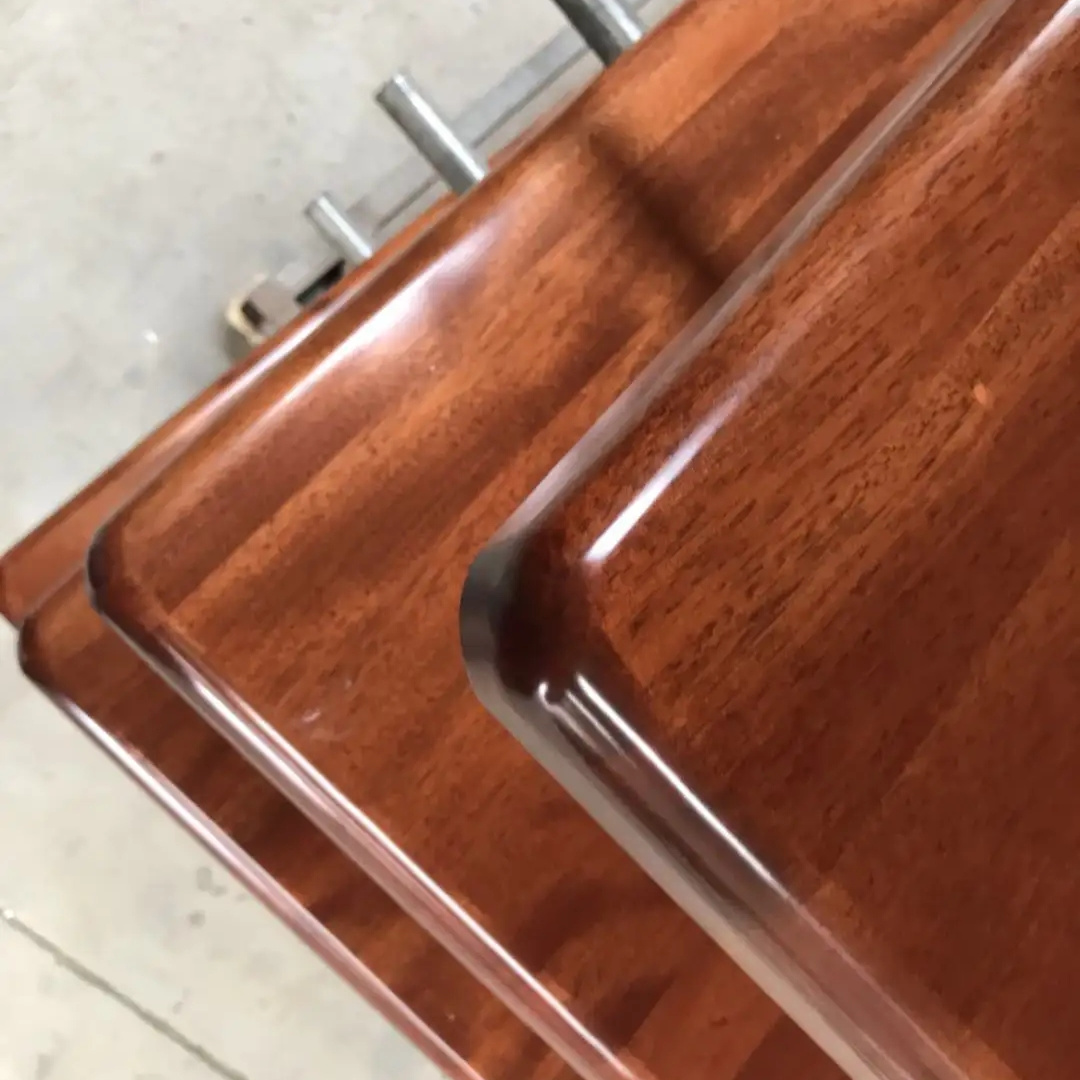
Price Factors for Correcting Orange Peel Problems
Compare process cost rather than material price alone
The price impact of orange peel is usually driven by rejected parts, rework labor, line interruption, extra material use, and delayed batch approval rather than by the coating purchase price alone. A low-cost material choice can become expensive if it requires repeated adjustment, produces inconsistent flow, or creates more rejected pieces during validation. Procurement teams should request clear information about product format, available customization, packing, technical support scope, and whether related materials such as color paste or curing products are supplied within a coordinated system. Sholee Chemicals states that it accepts customized industrial release agent and painting and chemical additive products, which may help buyers whose substrates or application methods need a tailored discussion. The company brief also states no MOQ, a practical point for process trials and smaller validation requirements. Price discussions should still be based on the required coating system and order conditions, because no fixed price can be assumed from a product category alone.
| Cost driver | Why it affects total cost | Buyer question to ask |
|---|---|---|
| Rejected production batches | Rejected finishes consume labor, material, and inspection time. | What visual acceptance standard will be used? |
| Rework process | Sanding, stripping, or respraying can disrupt throughput. | Can the defect be corrected without removing the full coating? |
| Material compatibility | Incompatible components can lead to repeated trials. | Which color, additive, and curing components are intended to work together? |
| Customization needs | Special substrates may require product and process review. | What substrate and application details should be provided for a quotation? |
User Guide for Batch Validation Before Production Approval
Use controlled trials instead of production guesses
Before approving a production batch, prepare a controlled spray trial that reflects the real line. Use the intended substrate, cleaning method, mixing procedure, applicator, drying location, and inspection light. Label each panel with the batch identity, material preparation details, application sequence, and observed result. Begin with the approved process conditions where available. If orange peel appears, do not start by altering every setting. First inspect the material after mixing for uniformity, then check the gun pattern and delivery, then compare coat sequence and drying intervals, and then examine temperature and air movement around the workpiece. This process is especially useful when several departments are involved, because purchasing can confirm supplied materials, technicians can document application conditions, and quality teams can define whether the surface is acceptable. When a curing stage is part of the system, review the selected curing agent with the coating supplier. A curing component may affect final film formation, but it should not be changed without confirming compatibility and the intended process.
Common mistakes that delay root cause identification
- Changing reducer and gun settings together. This may hide the original cause and makes future repeatability harder to establish.
- Judging only after full cure. Wet-film inspection often shows whether the problem began at atomization or developed later during drying.
- Using a clean test panel but ignoring production substrate preparation. A perfect lab panel does not prove that molded or handled production parts will wet the same way.
- Approving color before approving texture. Texture changes gloss and reflected color, so both should be assessed under the same inspection conditions.
- Ignoring shift-to-shift differences. Operator technique, room conditions, and equipment cleanliness can change even when the material batch is unchanged.
- Assuming every rough surface is orange peel. Dry spray, contamination, solvent popping, and substrate defects require different corrective actions.
FAQ of Spray Finish Defects
Questions purchasing and quality teams ask during approval
Can a coating look smooth when wet and still develop orange peel later? Yes. If the wet film initially levels but loses flow during drying or curing, texture may become visible afterward. Review drying conditions, coat sequence, and curing compatibility. Should the operator reduce the material immediately? Not without checking the approved product instructions and the wet spray pattern. Reduction may improve flow in one situation but can create poor film build or instability in another. Can release residue cause the defect? It can contribute when the coating does not wet the substrate uniformly, particularly on molded parts. Confirm the cleaning and surface preparation process before changing the paint system. Does a different color always require a different spray setup? Not always, but pigment content, color paste selection, and required visual finish can affect appearance. Validate each production color under the intended application conditions. What records should accompany a rejected panel? Record the material batch, substrate, mixing process, spray equipment condition, application sequence, drying location, and inspection result. These details turn a subjective appearance complaint into a usable technical investigation.
Sholee Chemicals Supplier Support for Coating Process Reviews
Provide the production details needed for a relevant quotation
Sholee Chemicals supplies release agent, chemical additives, color paste, and paint curing agent products for applications including PU soles, PU car carpets, wood-based panels, paper-related uses, metal die casting, and paint and glue curing processes. For buyers validating a sprayed finish, the most useful enquiry includes the substrate type, current coating system, application method, visible defect pattern, and whether the issue occurs on every batch or only under certain production conditions. The company brief lists no MOQ and a 30 days reference, so purchasers should confirm the applicable order, customization, and delivery terms when requesting product information. Sholee Chemicals also accepts customized industrial release agent and painting and chemical additive product requirements. If you are looking for a coating material supplier for process validation, contact Sholee Chemicals for the latest product quotation and selection advice.