
Qualifying Magnesium Alloy Release Agent HG-6205 for Production
Qualifying Magnesium Alloy Release Agent HG-6205 for Production
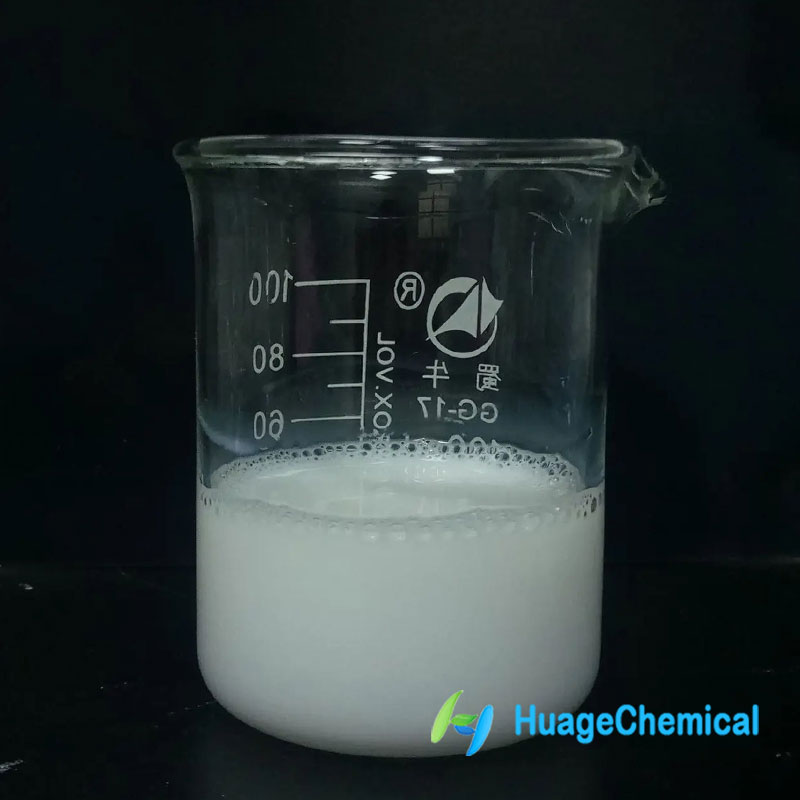
Selecting the wrong die lubricant for high-pressure casting is a costly mistake. For operations using magnesium alloys, an unsuitable product can lead to increased scrap rates, soldering issues, and downstream finishing problems that halt production. A release agent is a specialized chemical formulation applied to the surface of a die casting mold to prevent the molten metal from adhering to it. The Magnesium Alloy Release Agent HG-6205 is designed to create a stable, thin barrier film that facilitates easy ejection of the solidified part, protects the expensive die, and ensures a clean part surface ready for subsequent processes. Qualifying this product, and its supplier, requires a structured approach to avoid these manufacturing risks.
Types of Die Casting Release Agents
Die casting release agents are generally categorized based on their carrier liquid, which determines their application method and performance characteristics. Understanding these types provides context for where a specialized formulation like HG-6205 fits. The primary categories include water-based, solvent-based, and powder agents.
- Water-Based Agents: This is the most common category in modern die casting due to safety and environmental benefits. They consist of an emulsion of oils, waxes, and silicones in water. These agents are diluted with water at the facility to a specific ratio, offering cost-effectiveness and excellent cooling properties for the die. HG-6205 falls into this category, optimized for the high temperatures and chemical reactivity of molten magnesium.
- Solvent-Based Agents: These use a hydrocarbon solvent as the carrier. They provide exceptional release properties and a fine surface finish but are less common today due to flammability concerns, volatile organic compound (VOC) regulations, and higher costs. They are typically reserved for specific applications where water cannot be tolerated.
- Powder Agents: Applied electrostatically as a dry powder, these agents eliminate the need for a liquid carrier. They create a very thin, uniform coating and are used in specialized processes. However, they require specific application equipment and are not as widely used in conventional high-pressure die casting of magnesium parts compared to water-based emulsions.
For most magnesium die casting, especially for automotive and consumer electronics parts, water-based agents provide the best balance of performance, safety, and operational cost.
Key Features for Magnesium Alloy Applications
Magnesium presents unique challenges in die casting due to its high reactivity and casting temperatures. The features of a release agent must directly address these challenges to be effective. The formulation must do more than just release the part; it must protect the tooling and prepare the part for what comes next.
The critical performance features for a magnesium-specific release agent include:
- High Thermal Stability: The agent must withstand die temperatures often exceeding 250°C (482°F) without breaking down, carbonizing, or creating excessive buildup. A stable film ensures consistent release performance across thousands of cycles.
- Excellent Wetting and Film Formation: The diluted emulsion must evenly coat the complex surfaces of the die. Proper wetting ensures a uniform barrier film, preventing metal-to-die contact even in deep cavities or on intricate cores. This directly reduces soldering and extends the life of the tooling.
- Minimal Residue Transfer: The release agent should leave the cast part clean and bright. Low residue is essential for parts that require post-casting finishing such as painting, powder coating, or chromating. Any transferred residue can interfere with adhesion, causing costly rework.
- Controlled Cooling Effect: While cooling the die is a secondary function, it is an important one. The agent's water content helps manage the thermal balance of the die, but it must do so without causing excessive thermal shock, which can lead to premature die cracking and failure.
Primary Applications in Die Casting
The use of magnesium alloys is growing in industries where weight reduction is a primary design goal without compromising strength. A high-performance release agent is fundamental to the successful mass production of these components. The primary applications are found in highly demanding sectors where precision and surface quality are non-negotiable.
Key application areas include:
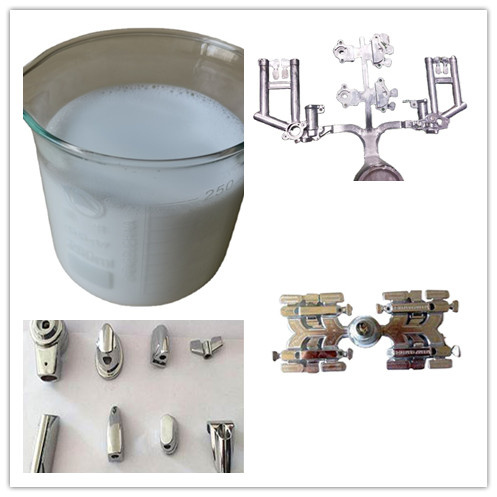
- Automotive Components: This is the largest market for magnesium die-cast parts. Applications include steering wheel frames, instrument panel structures, transmission cases, and seat frames. In these uses, the release agent ensures dimensional stability and a surface ready for potential coating or assembly.
- 3C Electronics (Computer, Communication, and Consumer Electronics): Magnesium's light weight and excellent heat dissipation make it ideal for laptop cases, camera bodies, and mobile phone frames. The release agent must provide a flawless surface finish, as these parts are often the final aesthetic housing of the product.
- Power Tools and Industrial Equipment: Housings for drills, saws, and other equipment benefit from magnesium's durability and low weight. The die lubricant ensures that complex internal features are formed correctly and that the parts can be ejected without damage.
In each of these applications, the goal is not just to release the part but to do so in a way that maximizes production speed, minimizes scrap, and reduces the need for secondary cleaning operations. An effective release agent is a direct contributor to overall manufacturing efficiency.
Price Influences for Bulk Supply
The price of an industrial release agent is not a simple per-liter figure; it is influenced by several commercial and technical factors. For procurement managers and engineers, understanding these variables is key to forecasting costs and evaluating the total value of a supplier relationship. The initial purchase price is only one part of the total cost of ownership.
The main factors that influence pricing include:
- Raw Material Costs: The price of base oils, silicones, emulsifiers, and performance additives can fluctuate with global commodity markets. A supplier with a stable supply chain can offer more predictable pricing.
- Concentration Level: Release agents are sold as concentrates and diluted on-site. A more highly concentrated product may have a higher price per drum but a lower "at-the-nozzle" cost because it can be used at higher dilution ratios. Evaluating the recommended dilution ratio is essential for an accurate cost comparison.
- Order Volume: Like most industrial chemicals, per-unit pricing typically decreases with larger order volumes due to efficiencies in manufacturing and logistics.
- Technical Support and Customization: Suppliers that offer on-site technical support, product customization for unique alloys or processes, and troubleshooting services may factor these value-added services into their pricing. At Sholee, we accept orders for customized industrial release agents to meet specific production needs.
- Logistics and Packaging: The cost of transportation, especially for international shipments, and the type of packaging (e.g., drums, totes) will affect the final delivered price.
Supplier Qualification Checklist for Die Casting Agents
Before committing to a bulk order, a thorough qualification process is necessary to verify both the product's performance and the supplier's reliability. Using a checklist ensures that no critical steps are missed. This is especially important when sourcing for high-value components like automotive magnesium parts where production downtime is extremely costly.
| Check Item | Why This Matters (The Risk of Not Checking) |
|---|---|
| Technical and Safety Documentation (TDS/SDS) | Risk: Non-compliance and safety hazards. Without a detailed Technical Data Sheet (TDS) and Safety Data Sheet (SDS), you cannot confirm the product's specifications, recommended usage parameters, or handling procedures, exposing your operation to regulatory fines and worker safety issues. |
| Clear Dilution Guidance | Risk: Inconsistent performance and wasted material. A supplier must provide a clear starting dilution ratio and guidance for optimization. Vague instructions lead to trial-and-error, which can cause soldering (too lean) or staining and buildup (too rich), directly increasing your scrap rate. |
| Availability of Casting Trial Samples | Risk: Poor performance on your specific machinery. Lab data is not enough. A physical trial on your die casting machine with your specific magnesium alloy is the only way to confirm real-world performance. A supplier unwilling to provide samples for trial is a significant red flag. |
| Evidence of Compatibility (Finishing Processes) | Risk: Post-casting finish failure. For parts destined for painting, plating, or adhesive bonding, you need evidence that the release agent residue will not interfere with adhesion. Ask the supplier for case data or compatibility test results, particularly for demanding automotive or 3C applications. |
Your Magnesium Release Agent Supplier
Sholee Chemicals is a professional supplier of industrial chemical additives, including release agents, color pastes, and paint curing agent products. We understand the technical demands of high-pressure die casting and are committed to providing high-performance solutions. Our operational flexibility allows us to support businesses of all sizes, with no Minimum Order Quantity (MOQ) and favorable 30-day payment terms to support your procurement cycle. We partner with our clients to deliver value, offering customized formulations to solve specific production challenges. Whether you are producing PU soles, automotive carpets, or complex metal components, our goal is to provide reliable products that enhance your manufacturing process.
Frequently Asked Questions
Here are answers to common questions about using release agents for magnesium die casting.
1. What is the optimal die temperature when using HG-6205?
The optimal die surface temperature for most water-based release agents, including formulations for magnesium, is typically between 180°C and 300°C (356°F to 572°F). This range allows the water carrier to evaporate efficiently, leaving behind a uniform, dry film of the release concentrate. The exact temperature depends on the die's complexity and the cycle time.
2. Can this product be used with different magnesium alloys like AZ91D or AM60B?
Yes, a well-formulated release agent for magnesium is designed to be effective across the common range of die-casting alloys. Both AZ91D (used for its strength) and AM60B (used for its ductility, common in automotive safety parts) are compatible. However, minor adjustments to spray application or dilution may be needed to optimize performance for a specific alloy's characteristics.
3. How does the release agent affect the lifespan of the die?
A high-quality release agent extends die life. It provides a protective barrier that reduces the rate of thermal fatigue (heat checking) and prevents molten magnesium from chemically attacking and eroding the die steel (soldering). By facilitating easier part ejection, it also reduces mechanical stress on ejector pins and other moving parts of the mold.
4. What are the recommended storage conditions for this type of release agent?
Water-based release agent concentrates should be stored indoors in their original sealed containers at temperatures between 5°C and 40°C (41°F to 104°F). It is important to protect them from freezing, as this can break the emulsion and render the product unusable. Avoid prolonged exposure to direct sunlight or extreme heat.
If you are looking for a reliable supplier for your die casting needs, please contact us to request a technical data sheet or a trial sample of our products.