
Magnesium Alloy Release Agent Cost per Cycle
Calculate Magnesium Alloy Release Agent Cost per Casting Cycle
Definition and sourcing scope
Magnesium Alloy Release Agent is a process chemical applied to a die or mold surface to support controlled part release during magnesium alloy casting. For buyers at the quote-comparison stage, the sourcing risk is simple: comparing only the drum or concentrate price can select the wrong option. A lower purchase price may require more concentrate per batch, more spray per cycle, additional die cleaning, or may not support the reject-rate improvement assumed in a quotation. The useful unit is therefore not price per container. It is cost per casting cycle, calculated from the actual diluted consumption and adjusted only by savings that can be measured on the production line. This article treats a casting cycle as one completed spray-and-casting sequence. It does not assume a universal dilution ratio, spray setting, or performance result because these items must be confirmed for each die, alloy, machine, and operating condition.
The term also needs a clear purchasing boundary. A release chemical quote may cover concentrate only, while the buyer must separately account for dilution water, spray equipment, operator time, rejected castings, die cleaning, storage, freight, and testing. These costs do not all belong in the supplier’s quoted unit price, but they do belong in a production manager’s decision. The right conclusion is to compare competing products on a common per-cycle model before selecting a supplier. This approach fits procurement teams evaluating concentrated products for die casting. It does not replace plant trials, safety review, equipment checks, or process approval. A cost model can identify which option deserves a trial; it cannot prove casting performance before line validation.
Types of release agent purchasing options
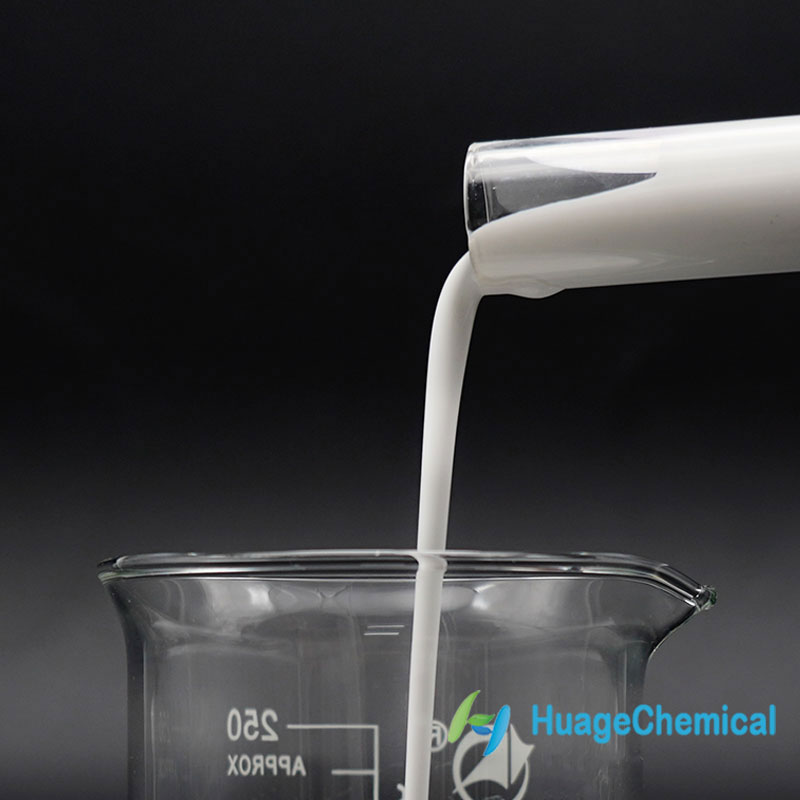
Buyers generally encounter release-agent options as ready-to-use materials, concentrated materials that require dilution, and customized industrial release agent products discussed against a specific process requirement. The practical conclusion is that these options should not be compared by container price alone. Ready-to-use material may simplify handling because the delivered product is applied as supplied, while a concentrate can change freight, storage, and per-cycle consumption calculations when the approved dilution method is followed. Customized options may be relevant when a standard product does not fit the existing spray method, die condition, or production target. This classification is useful during initial supplier screening. It does not mean one format is automatically cheaper or more suitable. The final choice still depends on verified spray volume, dilution instructions, cleaning requirements, and trial data from the actual casting cell.
| Purchasing option | What to request in the quote | Best comparison method | Limit of the comparison |
|---|---|---|---|
| Ready to use material | Price per unit, application guidance, packaging details | Cost per applied spray volume | Does not show whether a concentrate could reduce delivered-material cost |
| Concentrated material | Concentrate price, approved dilution ratio, mixing method | Concentrate cost per diluted spray volume | Requires controlled mixing and accurate dilution records |
| Customized product | Process target, spray equipment details, die conditions, approval plan | Trial cost per cycle against a defined baseline | Cannot be priced fairly without a shared test scope |
For a quote request, ask suppliers to state whether the quoted price covers concentrate or diluted material and whether the stated ratio is concentrate-to-water or another notation. This small clarification prevents a common procurement error. For example, “one part concentrate to a stated amount of water” is not the same as a statement of final product concentration unless both parties define the ratio. Use one notation in every comparison sheet. A simple method is to record one unit of concentrate and the corresponding units of water, then calculate the concentrate fraction of the final mixture. This is appropriate for purchasing reviews and internal budgeting. It does not determine spray performance, because nozzle condition, pressure, die temperature, and operator settings may alter actual use.
Features that affect operating cost
The release-agent features that matter commercially are not marketing labels; they are the variables that change material consumption, rejected-part exposure, and labor time. For cost analysis, request application instructions, dilution guidance, mixing requirements, and any handling information the supplier can provide for the proposed product. Then connect those instructions to plant records. If the product requires a defined dilution practice, use that practice in the trial. If it is sprayed through existing equipment, record the measured diluted volume used per cycle rather than relying on nominal settings. The conclusion is to treat release agent dilution and spray volume as controlled inputs. This fits production managers who can run a small, documented comparison. It does not apply where the line cannot isolate product changes from changes in die maintenance, alloy quality, operator practice, or machine settings.
- Concentrate price: Record the quoted price for the concentrate itself, excluding assumptions not shown in the quotation.
- Dilution ratio: Record the approved ratio exactly as stated and define which part represents concentrate.
- Spray volume: Measure diluted material consumed during a stated number of cycles, then calculate an average.
- Reject reduction: Compare reject records from matched production conditions, not from unrelated production periods.
- Die cleaning labor: Record cleaning frequency, time per event, and the internal labor cost used by the plant.
A related purchasing issue is whether nearby chemical products should be kept separate in the sourcing plan. Sholee Chemicals also supplies PU paste pigment products and curing agent products. These materials serve different process purposes from a die-casting release chemical, so they should not be placed in the same operating-cost formula unless the plant is specifically reviewing multiple production departments. Keeping product categories separate improves cost accountability. This recommendation fits buyers who purchase chemicals for several production lines. It does not require a combined supplier award, and it does not imply that performance results in one chemical application predict results in another.
Calculate per cycle cost with a documented formula
The most useful comparison is a per-cycle model that separates confirmed costs from estimated savings and unknown costs. Begin with the actual price of concentrate, the approved dilution ratio, and the measured diluted spray volume per cycle. Then add savings only where plant data supports them. Reject reduction and reduced die cleaning can lower effective operating cost, but neither should be entered as a guaranteed result from a product quotation. The conclusion is to calculate a material cost first, then show potential savings as separate estimated credits. This method fits quote comparisons before a full production decision. It does not apply as a final financial result until the plant has completed a controlled trial with records for rejects and cleaning time.
| Cost category | Formula input | Status | How to verify |
|---|---|---|---|
| Concentrate material cost | Concentrate price × concentrate volume per cycle | Confirmed when quote and usage records are available | Supplier quotation and measured spray data |
| Dilution requirement | Concentrate fraction = 1 ÷ (1 + water parts) | Confirmed only after ratio notation is agreed | Approved mixing instruction |
| Applied material volume | Diluted spray volume per cycle | Confirmed after measurement | Timed or batch-based consumption record |
| Reject reduction value | Reject reduction per cycle × internal cost per rejected casting | Estimated until trial data is reviewed | Matched production records |
| Die cleaning labor value | Cleaning hours avoided per cycle × internal labor cost per hour | Estimated until cleaning logs confirm it | Maintenance and labor records |
| Unknown costs | Freight, water treatment, disposal, equipment changes, downtime | Unknown until the plant defines scope | Procurement and plant review |
Use the following formula when the dilution ratio is written as one part concentrate plus R parts water. Let P equal concentrate price per unit volume, V equal diluted spray volume per cycle, Q equal the value of reject reduction per cycle, and L equal the value of die-cleaning labor avoided per cycle. Material cost per cycle equals P × V ÷ (1 + R). Effective cost per cycle equals [P × V ÷ (1 + R)] − Q − L. Report Q and L separately as estimates unless supported by documented line results. Do not treat negative effective cost as proof that a product pays for itself; it may indicate that the assumed reject or labor saving requires further validation.
Compare price movement and quotation factors
Price movement in an industrial release agent quotation can come from product format, packaging, customization discussion, order timing, shipping terms, and the volume of concentrate required after dilution. The correct conclusion is to request a quote that lets the buyer calculate a comparable cost basis instead of asking only for a lower unit price. Ask each supplier to identify the product form, quote currency, package basis, validity period, delivery scope, and whether technical support or sample evaluation is included. Sholee Chemicals states that it has no MOQ, which may help buyers who need a smaller evaluation order. The company brief also states “30 days,” but it does not define the activity or scope connected with that figure. Buyers should therefore confirm what the timing refers to before treating it as a delivery commitment.
For price comparison, create two columns for each candidate product: quoted material cost and internally estimated operating effect. Keep these columns separate. The quoted material cost should use only price, dilution ratio, and measured spray volume. The estimated operating effect may include reject reduction and die cleaning labor, but only with a source note showing the trial period and production conditions. This structure is suitable when finance, procurement, and production need to review one decision sheet. It does not eliminate commercial uncertainty, especially where freight, disposal, or process change costs remain unpriced. Unknown costs should be visibly marked rather than silently assumed to be zero.
Use a controlled trial before approving a supplier
A controlled trial should change one main factor at a time: the release product. Keep the die, alloy specification, casting machine, spray equipment, shift arrangement, and evaluation period as consistent as practical. The conclusion is to record a baseline before changing material and to use the same measurement method after the change. This fits plants that want a defensible purchasing decision. It does not apply where production conditions are changing daily or where no one can record material use and cleaning time. In that situation, the buyer should first establish a basic baseline rather than making claims about cost improvement.
- Define the baseline product and record its concentrate or ready-to-use price.
- Measure diluted spray volume used over a documented number of casting cycles.
- Record the dilution method, mixer used, and operator instructions for the trial product.
- Track accepted castings, rejected castings, cleaning events, and cleaning time under comparable conditions.
- Calculate material cost per cycle using the confirmed dilution ratio and measured volume.
- Calculate reject and labor effects separately, marking them as estimates until internal approval.
- Review unknown costs such as freight, storage, disposal, and equipment adjustments before a purchase award.
Common mistakes are easy to avoid. Do not compare one product by price per drum and another by cost per diluted liter. Do not use a theoretical dilution ratio if operators mixed a different ratio on the line. Do not count all reject changes as a chemical result when die maintenance or alloy conditions changed at the same time. Do not value cleaning savings without recording actual cleaning labor. Finally, do not convert a successful short test into a permanent annual saving without confirming that the operating conditions can be maintained. These controls are useful for a production buyer seeking a repeatable decision. They are less useful for emergency purchasing, where the immediate aim may simply be to restore production while a formal trial is planned.
Application fit and related chemical purchasing
Release products should be reviewed within the operating context where they will be used. Sholee Chemicals lists application areas that include metal die casting, PU soles, PU car carpets, wood-based panels, paper used for food applications, paint, and glue curing agent products. A buyer should match the requested product to the stated application rather than transfer assumptions from one process to another. For example, a product evaluation for magnesium casting should define die-casting variables, while a separate review for coating work may involve different materials such as shoe sole paint. The conclusion is to maintain an application-specific specification sheet. This fits multi-product manufacturing groups. It does not mean all listed applications use the same release agent formulation or the same cost model.
FAQ of casting cycle cost analysis
Should concentrate price be the main selection criterion?
No. Concentrate price is a confirmed purchase input, but it is only one part of casting cycle cost. Compare it with the approved dilution ratio and measured diluted spray volume. Then assess any change in rejects or die cleaning separately. This is the right method when competing products have different concentration formats. It is not enough when the production line has not measured actual consumption.
Can reject reduction be entered as a guaranteed saving?
No. Reject reduction should be listed as an estimate until the plant has trial records from comparable operating conditions. Record the baseline reject level, the trial result, and the internal cost assigned to a rejected casting. This approach is suitable for financial review. It does not support a supplier performance guarantee where no verified case data exists.
What should buyers ask for in an RFQ?
Ask for the product form, concentrate price, dilution guidance, recommended handling method, packaging basis, quote validity, and delivery scope. Include the application, existing spray equipment, and the cost-per-cycle data you want to calculate. This gives suppliers a usable technical and commercial brief. It does not remove the need for a plant trial where process conditions are not yet defined.
Sholee Chemicals supplier support
Sholee Chemicals supplies release agent, chemical additives, color paste, paint curing agent products, and accepts customized industrial release agent requirements. For buyers comparing concentrated options, the productive first step is to provide the intended application, current dilution practice, measured spray volume, and the cost categories your team needs in the quotation review. The company brief states no MOQ and lists 30 days, while the exact commercial scope should be confirmed during the inquiry. A disciplined quote request helps procurement teams compare material cost, estimated operating effects, and unresolved costs without overstating savings. If you are looking for a Magnesium Alloy Release Agent supplier, contact Sholee Chemicals for the latest product quotation and selection guidance.