
Industrial Panel Chemicals Corrosion Prevention
Industrial Panel Chemicals Help Prevent Control Panel Corrosion
Industrial Panel Chemicals is a practical maintenance term for the chemicals, vapors, residues, and process conditions that can attack installed electrical control panels in production areas. The term does not describe one single chemical product. Instead, it helps facility engineers assess how nearby manufacturing materials may affect metal enclosures, hinges, fasteners, terminals, cable entries, and internal electrical parts. Chemical vapor corrosion often starts where contamination and moisture remain trapped for long periods. A panel can look acceptable from the outside while corrosion develops around door seams, cable glands, terminal blocks, or unpainted edges. For maintenance teams, the correct response is not simply applying more coating. The first task is to identify the exposure source, confirm where vapors enter, and remove the moisture conditions that allow corrosion to continue.
Types of Chemical Exposure That Affect Control Panels
Control panel corrosion is usually linked to a combination of vapor exposure, liquid contact, residue buildup, and condensation rather than one isolated event. Chemical vapors may be generated by processing, cleaning, coating, curing, adhesive handling, color preparation, or mold release activities. Residues can settle on panel surfaces and later become conductive or corrosive when humidity rises. Direct splashes are easier to identify, but vapor migration through cable penetrations and poorly sealed doors is often missed. The best classification method is based on the exposure route. This fits installed panels in factories where the chemical process cannot be moved immediately. It does not replace a review of the actual chemical safety data, because compatibility depends on the specific substance, concentration, temperature, and ventilation conditions at the site.
| Exposure type | Where corrosion starts | Practical response | Limit of the response |
|---|---|---|---|
| Airborne chemical vapor | Door seams, vents, cable entries, terminal areas | Improve sealing and move the enclosure away from vapor flow | Sealing alone will not solve a room with uncontrolled vapor release |
| Condensation carrying residue | Lower enclosure surfaces, hinges, gland plates | Control temperature changes and remove moisture sources | Drying the exterior does not confirm that the interior is dry |
| Direct splash or washdown | Door face, locks, lower seams, external hardware | Add physical separation and use suitable enclosure protection | A standard indoor enclosure may remain unsuitable for repeated washdown |
| Dust and deposited process residue | Horizontal ledges, vent screens, cooling fans | Set a controlled cleaning routine and inspect hidden ledges | Cleaning cannot compensate for an active leak or poor process containment |
Features of a Corrosion Resistant Control Panel Setup
A corrosion resistant setup depends on exclusion, drainage, inspection access, and compatible materials. The main conclusion is simple: prevent contaminated air and water from entering before relying on surface treatment. A closed door with a compressed, continuous gasket reduces the path for vapor and moisture. Correct cable glands prevent gaps around conductors. Sloped or protected top surfaces reduce the chance that residue remains on the enclosure. Accessible door hardware and removable gland plates make inspections possible without damaging the seal. These features are most suitable for panels that must remain close to chemical operations. They do not apply as a complete solution when a panel is located inside an area with frequent direct chemical spraying, severe heat, or uncontrolled emissions. In those conditions, relocation or a separate protected room may be the better engineering decision.
- Use continuous sealing paths: A gasket must remain unbroken around the door perimeter because a small opening can become a vapor entry point.
- Protect cable transitions: Select cable entry hardware that matches cable diameter and installation conditions, then inspect unused openings.
- Remove residue from ledges: Deposits collect moisture and can spread toward seams, hinges, and ventilation points.
- Keep access practical: A panel that cannot be opened and resealed correctly is likely to develop recurring entry problems.
Control Panel Applications Near Chemical Processing Areas
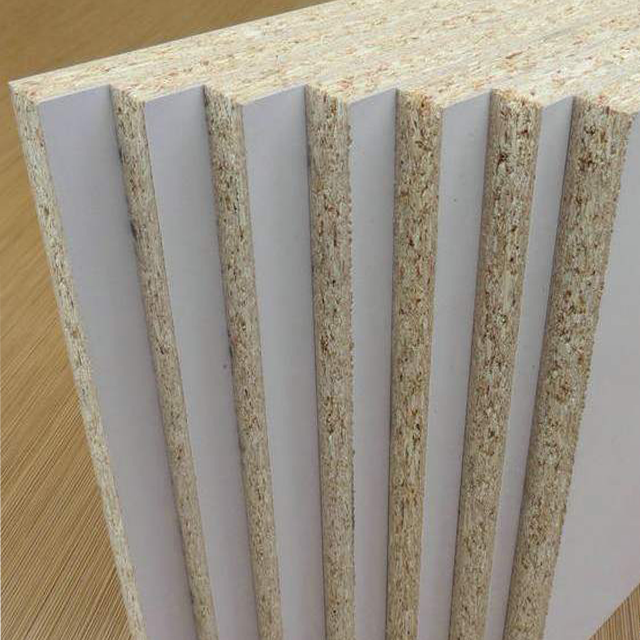
These prevention methods apply to control panels near PU sole production, PU car carpet processing, wood based panel lines, food paper operations, metal die casting areas, painting stations, glue curing operations, and chemical additive handling points. Each area has a different exposure pattern. A panel near a curing process may face vapor and heat cycles, while a panel beside a mixing station may face intermittent splash and residue. In color preparation areas, maintenance teams should consider whether pigments or process materials can settle on cooling surfaces. When production includes PU paste pigment materials, inspect panel tops, fan grilles, and cable routes for deposits rather than focusing only on the door face. This advice is suitable for routine facility reviews, but chemical compatibility decisions should still be checked against the actual materials used on site.
Seal Entries Select Gaskets Manage Condensation and Position Panels Correctly
The most effective prevention plan addresses four routes at the same time: unsealed entries, unsuitable gaskets, internal condensation, and poor panel location. Start by treating every opening as a possible contamination path. A cable gland that is loose, damaged, oversized, or installed around an unused opening can allow vapor into the enclosure. Next, select gasket material only after reviewing the expected contact conditions. A gasket suitable for dry indoor dust may not remain suitable where vapor, heat, or cleaning residue is present. Then control condensation by reducing sharp temperature differences and preventing humid air from entering. Finally, position the panel outside vapor travel paths rather than directly beside discharge points, mixing tanks, curing zones, or areas where chemical containers are regularly opened.
- Map the exposure source. Identify nearby mixing, curing, cleaning, coating, and storage activities. The conclusion is to place the panel away from the source and prevailing vapor route. This fits panels that can be relocated or protected by a barrier. It does not apply where process layout or cable length makes relocation impossible.
- Inspect every cable entry. Check cable glands, blanking plugs, conduit joints, gland plates, and spare openings. Replace damaged or mismatched parts, then record the inspection. This fits both new and installed panels. It will not solve corrosion caused by direct liquid entry through an open door during maintenance.
- Choose gasket material for the environment. Confirm the gasket can withstand the expected vapor, moisture, cleaning practice, and operating temperature. The reason is that hardened, swollen, or cracked gaskets lose compression. This fits door and gland plate sealing. It does not replace enclosure redesign when the panel receives repeated chemical splashes.
- Manage condensation conditions. Check for cold walls, heat sources, humid air paths, and panels opened during damp conditions. Keep the enclosure closed when work is complete and correct causes of moisture ingress. This fits corrosion that appears on lower internal surfaces. It does not apply when the panel is already contaminated by an ongoing chemical leak.
- Verify position after changes. Observe whether vapor travels toward the panel during real production, not only when equipment is idle. This fits facilities with intermittent emissions. It cannot replace air monitoring where site procedures require formal exposure assessment.
Common Failure Reasons During Panel Corrosion Prevention
Many repairs fail because they address visible rust but leave the entry route unchanged. Painting over a corroded edge without removing deposits can trap contamination beneath the repaired surface. Replacing a door gasket without checking cable entries can leave the same vapor path open. Adding a fan can worsen the problem if it draws contaminated air into the enclosure. Moving a panel a short distance may have little effect if it remains in the same vapor stream. The correct conclusion is to investigate the whole enclosure boundary and the local air path before selecting a repair. This approach fits recurring corrosion, unexplained terminal discoloration, or repeated gasket failure. It does not remove the need for qualified electrical isolation and safe maintenance procedures before opening an energized panel.
- Failure reason: Treating corrosion as a paint issue only. Correction: Find the moisture and contamination route before surface repair.
- Failure reason: Using a gasket selected only by size. Correction: Review chemical contact, compression condition, and maintenance access.
- Failure reason: Leaving unused openings unsealed. Correction: Fit suitable blanking components and recheck after modifications.
- Failure reason: Mounting panels under vapor discharge routes. Correction: Relocate, shield, or change the process airflow where possible.
- Failure reason: Ignoring cleaning residues. Correction: Review cleaning methods and prevent residue from remaining on panel surfaces.
Price Factors for Corrosion Prevention Work
The price of panel corrosion prevention work changes with the cause of corrosion and the scope of correction. A simple gasket replacement has a different cost structure from relocating an enclosure, changing cable entries, adding physical separation, repairing damaged surfaces, or reviewing chemical compatibility. Buyers should request a line item quote that separates inspection, parts, enclosure work, installation labor, and verification. The conclusion is that the lowest initial repair cost may not be the lowest operating cost if vapor continues entering the enclosure. This approach is suitable for procurement teams comparing maintenance proposals. It does not allow an accurate price to be set from photos alone, because the internal condition, panel location, process exposure, and required shutdown arrangements must be confirmed first.
| Cost factor | What should be checked | Buying decision |
|---|---|---|
| Inspection work | Entry points, corrosion location, vapor source, moisture signs | Ask for documented findings before approving repairs |
| Sealing components | Gaskets, cable glands, plugs, gland plates | Compare material suitability, not only component price |
| Enclosure repair | Corroded edges, locks, hinges, door alignment | Repair only after contamination is removed and the source is controlled |
| Panel relocation | Cable routing, process layout, access, vapor direction | Consider relocation when sealing cannot isolate the panel sufficiently |
User Guide for Routine Inspection and Chemical Area Maintenance
Use a repeatable inspection routine rather than waiting for visible rust. Begin with the panel exterior, checking door edges, top surfaces, hinges, locks, cable entries, gland plates, and ventilation points. Then inspect the internal lower surfaces for moisture marks, residue, discoloration, or corrosion around terminals and hardware after proper electrical safety preparation. Record the location of every issue because patterns can show whether the cause is condensation, a local spill, or vapor movement. If painting or curing work is nearby, review related process materials such as paint curing agents as part of the exposure assessment. This routine fits scheduled preventive maintenance. It does not replace emergency action where an active spill, strong vapor release, damaged enclosure, or electrical fault is found.
Industrial Chemical Product Supplier Support for Process Areas
Sholee Chemicals supplies release agent, chemical additives, color paste, and paint curing agent products for industrial applications including PU soles, PU car carpets, wood based panels, paper food applications, metal die casting, paint, and glue curing uses. For facilities that use process chemicals near electrical equipment, purchasing teams should provide clear application details when requesting product information, including the process stage, expected contact conditions, storage method, and nearby equipment. The company accepts customized industrial release agent requirements and offers painting and chemical additive products. Buyers reviewing materials for shoe production may also examine shoe sole paint options alongside their wider process review. The stated service information includes no MOQ and 30 days, but purchasers should confirm how those terms apply to their requested product, formulation, and order requirements.
FAQ of Panel Corrosion Prevention
Can a new gasket stop all chemical vapor corrosion?
No. A new gasket can reduce vapor and moisture entry through the door when it is correctly selected and installed, but it cannot stop corrosion caused by open cable entries, direct spray, residue buildup, internal condensation, or poor panel placement. The correct approach is to inspect the complete enclosure boundary and the area around the panel. This is especially useful when corrosion returns after previous gasket replacement. It does not mean that every panel needs relocation. If inspection shows that the gasket was the only failed barrier and the panel is outside the vapor path, replacement may be sufficient. The result depends on verified exposure conditions rather than the gasket alone.
When should a panel be moved away from a chemical area?
Move or isolate a panel when routine sealing and cleaning cannot prevent repeated vapor exposure, direct splash, or condensation. The strongest reason for relocation is a continuing source located beside, above, or upwind of the enclosure, particularly where process vapor travels toward cable entries or door seams. This option fits panels with recurring corrosion despite repairs and correct sealing work. It may not be practical where equipment wiring, production access, or shutdown limits prevent relocation. In that case, assess a protected location, a physical barrier, improved process containment, or a different enclosure arrangement. The chosen method should remove the exposure route rather than only conceal the visible damage.
If you are looking for chemical additive products or release agent support for your industrial process, contact Sholee Chemicals for the latest product quotation and selection advice.