
What Is PU Painting and How to Apply It Well
What Is PU Painting and How It Gives a Smooth Durable Finish
Definition of PU Painting
What is PU painting? It is a coating process that uses polyurethane paint, normally a resin component reacted with a curing agent, to form a crosslinked film on a substrate. The film dries by chemical reaction, not by solvent evaporation alone. That reaction is why a properly applied PU coat resists scuffing, flexes with the part and holds its gloss. The term covers several jobs: sealing wood-based panels, coating flexible PU shoe soles, finishing automotive interior parts and protecting metal surfaces. It does not mean one single product. A PU system is a matched set of resin, hardener, pigment, additives and thinner, and the finish is only as good as the match between those parts and the substrate. If you are deciding whether this process fits your line, the useful question is whether your parts can tolerate the surface preparation and cure schedule that PU requires.
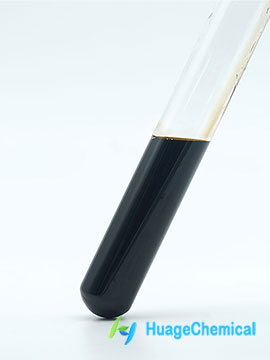
Types of PU Paint
PU paint is grouped by how it cures and what carries the resin. The right type depends on your substrate, your ventilation, your curing equipment and the look you need. The table below compares the four types buyers ask about most often.
| Type | How it cures | Best fit | Limit |
|---|---|---|---|
| Two component solvent based PU | Resin reacts with a paint curing agent after mixing | Wood panels, metal parts, shoe soles, interior trim | Limited pot life after mixing, so batch size must match spray speed |
| Waterborne PU | Water evaporates, then the film coalesces and crosslinks | Sites with strict solvent emission rules | More sensitive to humidity and airflow during drying |
| Single component moisture cure PU | Reacts with moisture in the air | Small repairs, simple coating jobs | Slower, harder to control in dry or very humid workshops |
| PU primer and PU topcoat system | Layered films, each cured to a set stage | Parts needing both adhesion and a high gloss surface | Longer process time and more steps to control |
For most manufacturers, the two component system is the starting point because the hardener ratio can be tuned to the job. Customized formulas are also possible when a standard grade does not match the substrate.
Features of PU Paint
PU paint is chosen for a short list of practical properties. The film is dense and smooth, so it gives a clean surface for gloss, satin or matt looks. It resists abrasion and many household chemicals better than most single component lacquers. It stays flexible enough for soles and carpets that bend in use. Color is flexible too, because pu paste & pigment can be dosed to match a target shade without changing the resin base. Additives adjust leveling, defoaming and drying speed.
There are limits. PU paint is not forgiving on dirty or oily surfaces. The hardener is moisture sensitive, so an opened can left uncapped will gel. Hardener vapor also calls for proper ventilation and protective equipment. If your parts cannot be cleaned or kept dry before coating, PU may cost you more in rework than a simpler coating would.
PU Paint Application
PU coatings appear wherever a surface must look good and survive handling. Sholee Chemicals supplies materials for several of these fields, including PU soles, PU car carpets, wood-based panels, food paper products, metal die casting, and paint and glue curing agent products. In shoe sole production, for example, the paint must flex with every step without cracking. On wood-based panels, the coating seals the surface and gives a smooth, even sheen.
One link between molding and painting is often missed. Parts made in a mold, such as PU soles and car carpets, leave the mold with a thin film of release agent on the surface. If that residue stays, the paint can bead or peel. When molded parts will be painted afterward, tell your supplier early so they can recommend a release agent that is compatible with the coating step. The same applies to metal die casting, where residue must be removed before any paint goes on. This does not apply to parts that are painted in the mold or never touch a release product.
PU Paint Price
There is no single price for PU paint, because the cost per square meter depends on the whole system and on how efficiently you apply it. Quoting only per kilogram can mislead you. A cheaper paint with low solid content leaves less film per liter, so you may need extra coats. The main cost drivers are listed below.
- Resin type and solid content: higher solids usually cost more per kilogram but cover more area.
- Paint curing agent grade: the hardener affects hardness, yellowing behavior and cost.
- Pigment loading: deep or special colors need more PU color paste than light shades.
- Gloss level and additives: matting agents and special leveling additives add to formula cost.
- Customization: a formula adjusted to your substrate costs more than a standard grade, but may lower rework.
- Packaging and freight: pail size, shipping distance and solvent transport rules change landed cost.
- Application loss: overspray, leftover mixed paint and rejected parts raise the real PU paint price per finished part.
When you compare quotes, ask for the same data on each: solid content, mix ratio, recommended film thickness and pot life. Sholee Chemicals works with no MOQ, so small trial orders are possible before you commit to volume.
PU Paint User Guide
Before any production run, spend an hour on a test panel. Coat a sample of your actual substrate with the exact paint, hardener, thinner and spray equipment you plan to use. Let it cure fully, then check adhesion, surface smoothness and gloss. This single step catches most mismatches between paint and substrate before they become scrap.
Store resin and hardener in sealed containers, away from heat and moisture. Mix only what you can spray within the pot life stated on the technical data sheet. Work in a ventilated booth, and wear a suitable respirator, gloves and eye protection when handling hardener. Clean spray guns right after use, because cured PU is very hard to remove. Always follow the technical data sheet for ratios, thinner type and recovery times. We do not list fixed numbers here because they change between formulas.
How Surface Preparation, Mixing, Film Thickness and Cure Timing Prevent Orange Peel, Pinholes and Weak Adhesion
Most PU finish problems come from four process steps, not from the paint itself. If you are still asking what is pu painting going to demand from your line, this is the answer: tight control of these four steps. The table gives the checkpoint and the usual failure cause for each.
| Step | What to do | Defect it prevents | Common failure cause |
|---|---|---|---|
| 1. Surface preparation | Remove dust, oil, wax and release agent residue. Sand or abrade to the level the data sheet requires. Let solvent wipe dry fully. | Weak adhesion, fisheyes | Mold release or finger oil left on the part; wiping with a dirty cloth |
| 2. Mixing | Measure resin and hardener by the stated ratio. Stir thoroughly, add thinner only as specified, respect the induction time if listed. | Soft film, poor cure, gloss variation | Eyeballing the ratio; mixing too much and spraying past pot life |
| 3. Film thickness | Apply thin, even wet coats. Check wet film with a gauge on a test panel. Allow flash off between coats. | Orange peel, sagging, pinholes | One heavy coat; spray gun too far or too close; trapped solvent |
| 4. Cure timing | Keep temperature and humidity in the data sheet range. Do not stack or handle parts before the stated hard dry time. | Pinholes, blushing, fingerprints, soft surface | Cold or humid booth; forced heat too early that skins the surface |
Common mistakes to avoid
- Painting over parts that still carry release agent or mold lubricant.
- Skipping the test panel when changing substrate, hardener or thinner.
- Mixing by volume with unmarked cups, so the ratio drifts from batch to batch.
- Applying a second coat before the first has flashed off, which traps solvent and causes pinholes.
- Using fast thinner in a hot booth, so the paint dries before it levels and leaves orange peel.
Worked example
Imagine a workshop coating wood-based panels that shows pinholes after two days. The checklist points to step 3 and step 4 first: coats were heavy and parts were stacked early. Switching to two thinner coats with proper flash off time, and holding panels flat until hard dry, would be the first fix. If pinholes remain, check substrate moisture and thinner speed next. This is an illustrative scenario, not a customer case.
PU Paint Supplier
A good PU paint supplier gives you more than a drum of paint. It gives you matched components and answers when the finish goes wrong. Sholee Chemicals supplies release agents, chemical additives, color paste and paint curing agent products, and accepts customized industrial release agent, painting and chemical additive products. Our product range supports PU soles, PU car carpets, wood-based panels, food paper, metal die casting, and paint and glue curing agent applications.
On the commercial side, we work with no MOQ and a 30 day lead time, which suits both trial batches and regular supply. If your process needs a specific curing agent or a color matched to a sample, share the substrate and the target finish and we can suggest a starting formula. Our aim is to create value for customers and contribute to society.
FAQ of PU Painting
Is PU paint the same as polyurethane varnish?
Not exactly. Varnish usually means a clear coat. PU paint can be clear or pigmented, and the two component types cure by reaction with a hardener.
Can I use PU paint on flexible parts?
Yes, if the resin is formulated for flexibility. Rigid wood coatings may crack on soles or carpets, so tell your supplier the substrate before ordering.
Why does my PU finish look like an orange skin?
The usual causes are heavy coats, wrong thinner speed, wrong gun distance or fast surface drying. Review the film thickness and cure timing steps above.
Do I need a test panel every time?
Run one whenever the substrate, hardener, thinner or color changes. It is cheap and catches adhesion problems early.
Can I order a small quantity to test?
With Sholee Chemicals there is no MOQ, so a trial quantity is possible.
If you are looking for a PU paint supplier, please contact Sholee Chemicals with your substrate, target finish and expected volume, and we will send you the latest product quotation.