
What Is PU Painting and How It Forms Protective Film
What Is PU Painting and How It Forms a Protective Film
Definition of PU Painting
what is pu painting is the application of a polyurethane based coating that dries and cures into a protective surface film. The coating normally contains polyurethane resin, pigments or color paste, a liquid carrier such as solvent or water, and a curing component when the system requires chemical cross linking. Product engineers specify this coating when a substrate needs a finished appearance together with resistance to handling, wear, moisture, or selected chemical contact. The final protection does not come from wet paint alone. It develops when the liquid carrier leaves the coating and the resin network reaches its designed cured state. This distinction matters during research and finish specification. A coating can look dry while still lacking its intended adhesion, hardness, or resistance. For PU soles, coated components, wood based panels, and industrial parts, the specified resin type, pigment system, curing method, and application process must work together.
PU coatings are commonly selected because their chemistry can be adjusted for different substrates and finishing goals. A flexible article such as a polyurethane sole needs a film that can move with the substrate, while a rigid panel may require a different balance of hardness and surface appearance. The formulation also has to account for the existing surface condition. Oils, dust, residual mold release materials, and incompatible primers can prevent the film from bonding correctly even when the paint itself is properly mixed. Teams evaluating a finish should therefore treat PU painting as a system rather than a single liquid product. The system includes substrate preparation, coating selection, color control, drying conditions, curing chemistry, and handling after application.
Types of PU Paint Systems
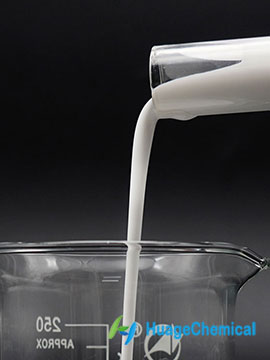
PU paint systems are generally grouped by their carrier and cure mechanism. Solventborne polyurethane paint uses organic solvents to control application viscosity and flow before evaporation. Waterborne polyurethane paint uses water as the main carrier, often with dispersed polymer particles that form a continuous film as water leaves. Two component polyurethane systems use a resin package and a separate curing component that react after mixing. One component systems may cure through moisture exposure, heat, or another built in mechanism. None of these types is automatically the best choice. The suitable option depends on substrate sensitivity, equipment, required film properties, local process controls, and the time available for cure before packing or assembly.
| PU paint type | How the wet coating becomes a film | Suitable situation | Selection limit |
|---|---|---|---|
| Solventborne polyurethane paint | Solvent evaporation is followed by resin film formation and, where specified, chemical cure. | Useful when the process needs established solvent application behavior and controlled flow. | Requires suitable ventilation, solvent management, and compatibility checks with the substrate. |
| Waterborne polyurethane paint | Water leaves, dispersed resin particles coalesce, and a crosslinker may complete the cure. | Suitable where lower solvent use is a process objective and drying conditions can be controlled. | High humidity or insufficient drying can delay film formation and affect early handling strength. |
| Two component polyurethane paint | Resin reacts with a separately supplied curing component after mixing. | Appropriate when the specification requires chemical cross linking after application. | Mix ratio, usable mixed life, and cure conditions must be controlled closely. |
| One component polyurethane paint | The coating cures through its designed exposure route, often involving moisture or heat. | Useful for processes that prefer one packaged coating component. | Actual cure depends heavily on the specified environmental and processing conditions. |
The practical decision is not simply water based versus solvent based. A research team should first identify whether the part is flexible or rigid, whether the film must tolerate bending, whether the production line can control drying, and whether a separate curing stage is available. For colored finishes, pigment dispersion quality is also part of the choice. Poorly dispersed pigment can create uneven shade, weak appearance consistency, or surface defects even if the resin chemistry is correct. For formulation discussions involving shade and dispersion needs, review pu paste & pigment options alongside the selected polyurethane binder.
How Resin Carriers and Curing Chemistry Form the Film
A durable cross linked coating film develops through three connected functions: polyurethane resin creates the main polymer structure, solvents or water make the coating applicable in liquid form, and curing chemistry links polymer chains into a more durable network. In a typical two component system, a resin containing reactive groups is mixed with a compatible curing component. The curing component reacts with the resin during the specified cure period, creating chemical links between chains. These links help the coating resist softening, deformation, and loss of surface integrity under its intended service conditions. The carrier is not merely a diluent. It affects wetting, leveling, film uniformity, and how the coating reaches the point where chemical cure can proceed as intended.
| Film forming element | What it affects in practice | What can happen when it is wrong |
|---|---|---|
| Polyurethane resin | Controls the base balance of flexibility, adhesion potential, surface feel, and film structure. | An unsuitable resin may crack on a flexible part, remain too soft, or fail to bond reliably to the selected substrate. |
| Solvent or water | Controls application viscosity, wetting, leveling, drying behavior, and early film formation. | An unsuitable carrier balance can cause poor flow, uneven coverage, pinholes, slow drying, or weak coalescence. |
| Paint curing agent | Creates chemical links that convert the resin film into a more durable cured network. | Incorrect selection or mixing can leave the film under cured, brittle, unevenly cured, or prone to adhesion loss. |
| Color paste | Provides color and affects dispersion quality, coverage behavior, and final appearance. | Poor compatibility can lead to color variation, settling, surface defects, or loss of consistent appearance. |
The key failure risk is assuming that evaporation equals full cure. In solventborne polyurethane paint, solvent may leave first, leaving a dry to touch surface while the chemical reaction continues. In waterborne polyurethane paint, water removal must allow particles to come together into a continuous film before the final cured properties can develop. In both systems, the cure chemistry must match the resin and process. Too little curing component can leave unreacted resin and lower durability. Too much or incompatible curing chemistry can change flexibility, shorten usable mixed life, or produce an uneven film. Moisture can also affect reactive systems. Where moisture sensitive chemistry is involved, uncontrolled water exposure may interfere with the planned reaction and can contribute to surface defects. Selection teams should review the relevant curing agent together with the resin package rather than treating it as an interchangeable additive.
Features That Matter in a PU Protective Film
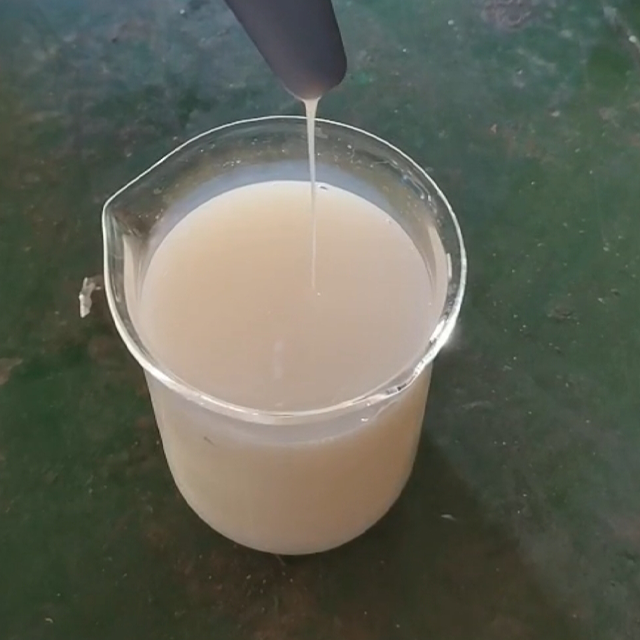
A properly selected polyurethane coating can provide a combination of appearance and protection, but each feature depends on the full formula and process. Adhesion determines whether the coating remains attached during use. Flexibility determines whether it can move with a deforming substrate. Surface hardness affects resistance to marking and handling damage. Chemical resistance concerns how the film responds to the actual materials it may contact. Gloss, matte appearance, color consistency, and tactile feel are also specification points rather than automatic outcomes. A finish specification should rank these requirements rather than demand every property at its maximum level. A highly hard film may not be appropriate for a repeatedly flexed item, while a very flexible film may not suit a rigid surface that needs a different appearance or handling profile.
- For flexible polyurethane parts: prioritize adhesion and flex resistance, then confirm that the selected film does not crack or peel when the substrate moves.
- For decorative colored surfaces: prioritize compatible resin and pigment selection, controlled dispersion, and repeatable application conditions.
- For parts exposed to handling: define the actual contact risks, such as abrasion, moisture, oils, or cleaning materials, before choosing the coating package.
- For rigid panels: evaluate surface appearance, leveling, adhesion, and the required cure process as a single specification.
Release agent residue is a common issue where molded parts are painted after demolding. Release materials are designed to help separation, but residue left on the molded surface can reduce paint wetting and adhesion. This does not mean a release product is unsuitable in every case; it means the painting process must include a compatibility check and, when required, cleaning or surface treatment before coating. Teams working with molded articles should evaluate the chosen release agent and the planned paint process together. This step is especially relevant for PU soles and other molded polyurethane components where release performance and paint adhesion are both required.
PU Painting Applications and Specification Checks
PU coatings are used where a substrate needs a controlled finished surface rather than an untreated material appearance. Common application areas include PU soles, PU car carpets, wood based panels, paper related applications, and selected industrial coated parts. The correct application route changes with the substrate. A PU sole may need a film that follows flexing and maintains appearance after repeated handling. A wood based panel may need controlled leveling and coverage over a more rigid surface. Paper related applications require careful review of the coating’s intended use and any product specific compliance needs. Metal die casting operations may involve release products in the process chain, but painting decisions still depend on the alloy surface, contamination control, pretreatment, and the actual coating requirement.
Before approving a coating for production, the finish specification team should use a defined trial sequence. Start with the real substrate, not only a generic test panel. Record surface preparation, coating mix details, application method, dry appearance, cure condition, and post cure evaluation. Then assess adhesion, appearance, flexibility where relevant, and resistance against the materials the part will meet in service. A coating that performs well on a clean laboratory panel may perform differently on a molded or production processed component. The conclusion should be based on the actual part and actual line conditions. This method fits research stage work because it identifies whether the issue lies in the paint, the curing process, the substrate, or the preparation step.
PU Paint Price Factors and Buying Scope
PU paint price should be evaluated as a formulation and process cost, not only as a price per container. The resin type, color paste requirement, carrier system, curing chemistry, packaging format, customization work, and order scope can all change the quotation. A lower initial coating price may not be the lower production cost if it creates poor coverage, inconsistent appearance, rejected parts, or an added preparation step. Conversely, a more specialized coating may not be justified where a standard finish meets the real service requirement. Procurement teams should provide clear information on substrate, application method, target appearance, expected end use, and whether the system needs a separate curing component. That allows suppliers to quote against an actual technical requirement rather than an incomplete product name.
| Price factor | Why it changes cost | What the buyer should provide |
|---|---|---|
| Resin selection | Different resin structures are designed for different flexibility, appearance, and resistance needs. | Substrate type and required film behavior. |
| Color requirement | Color paste selection and dispersion requirements vary by shade and appearance target. | Target color reference and gloss expectation. |
| Curing package | Some systems require a separate compatible curing component and controlled mixing. | Available cure process and required handling time. |
| Customization | Tailored industrial formulations require alignment on the real production condition. | Application method, sample substrate, and acceptance criteria. |
| Order arrangement | Packaging and supply planning affect the commercial offer. | Expected purchasing pattern and delivery destination. |
A useful buying request avoids vague wording such as “PU paint for industrial use.” Instead, state the substrate, whether the item bends, the desired finish, current application method, and the cure route available on site. Include any known issue such as peeling, poor wetting, color variation, or slow drying. This turns a price request into a technically comparable quotation. It also prevents an unsuitable material from being selected solely because its initial price appears lower. Where the buyer is comparing waterborne polyurethane paint and solventborne polyurethane paint, the request should state the production controls and handling expectations rather than assuming either type gives identical results.
PU Painting User Guide for Research Trials
Use a controlled trial procedure before setting a production specification. First, inspect the substrate and identify oils, dust, release residue, moisture, or other contamination that could affect wetting. Second, confirm that the selected coating is intended for the substrate and application route. Third, mix the paint and curing component only according to the supplier’s technical instruction for that system. Do not substitute a curing component because it appears similar. Fourth, apply the coating to prepared representative samples and record the method used. Fifth, allow the system to dry and cure under the intended process conditions before judging final performance. Finally, inspect appearance and carry out the agreed handling or service checks on the actual coated part.
- Define the finish requirement. Identify whether the part needs color, gloss control, flexibility, surface protection, or a combination of these outcomes.
- Prepare representative substrates. Use real production material, including the actual molding or surface preparation route where possible.
- Confirm component compatibility. Review resin, color paste, curing chemistry, primer if used, and any release residue risk.
- Control the application process. Record mixing, application method, drying conditions, and cure conditions for each trial.
- Evaluate after cure. Check adhesion, film continuity, appearance, flexibility where relevant, and response to expected service contact.
- Document the approved route. Convert the successful trial into a clear finish specification for purchasing and production teams.
Common mistakes include evaluating the coating before cure is complete, applying it over unverified release residue, changing the mix ratio to alter flow, and comparing quotations without matching the technical scope. These mistakes can produce misleading trial results. For example, a film may seem acceptable immediately after drying but later show poor adhesion because the surface was contaminated or the curing chemistry did not match the resin. The correct response is not to assume that all PU coatings behave the same way. Review one variable at a time, use the actual substrate, and document the observed result. This approach is slower than an uncontrolled sample check, but it gives engineering teams a sound basis for a production decision.
PU Paint Supplier Support for Industrial Specifications
Sholee Chemicals supplies release agent, chemical additives, color paste, and paint curing agent products for industrial applications including PU soles, PU car carpets, wood based panels, paper related applications, and metal die casting processes. The company also accepts customized industrial release agent requests and provides painting and chemical additive products. For buyers developing a coating system, this product range can support a broader discussion of substrate preparation, color requirements, and cure chemistry rather than isolating each process material. Sholee Chemicals states that no MOQ applies, which can be useful when a research team needs to assess a formulation before setting a larger purchasing plan. The company also identifies a 30 day timeframe; buyers should confirm how that timing applies to the selected formulation, customization scope, and delivery arrangement before placing an order.
When contacting a paint curing agent supplier or coating materials supplier, provide technical information that allows meaningful selection advice. Include the substrate, existing process materials, desired color and surface appearance, whether the part flexes, application method, and the failure mode that needs correction. If the work involves a molded PU component, mention the release process and any cleaning method already used. If it involves colored coating, provide the target shade reference and expected appearance standard. This information helps separate a resin selection issue from a pigment, curing, or surface preparation issue. A clear request also gives procurement teams a better basis for comparing proposals and avoiding a mismatch between the product purchased and the finish required.
FAQ of PU Painting
Is a dry PU coating fully cured?
Not always. A dry surface means that enough solvent or water has left the coating for it to feel dry, but chemical cross linking may still be in progress. The final film properties depend on the resin system, the compatible curing chemistry, and the specified cure conditions. Finish teams should judge adhesion, flexibility, and resistance after the system has reached its intended cured state rather than immediately after surface drying. This is particularly relevant for two component systems, where the resin and curing component must react after mixing. Early handling may also damage a film that appears dry but has not developed its intended internal strength.
Can one PU paint be used on every substrate?
No. Polyurethane coatings must be matched to the substrate, expected movement, surface preparation, application method, and service conditions. A formula suitable for a flexible PU sole may not be appropriate for a rigid wood based panel. Likewise, a coating that works on a cleaned test panel may not adhere to a molded component carrying residual release material. The practical answer is to define the part and its service conditions first, then test a suitable coating system on representative samples. This limits the risk of approving a finish based on appearance alone while overlooking adhesion or cure performance.
Why should color paste and curing chemistry be reviewed together?
Color paste changes the pigmented portion of the coating, while curing chemistry controls how the resin network develops. Both must remain compatible with the selected resin and carrier system. A color result may look correct in the wet state yet behave differently after drying or cure if the formulation is not properly matched. Reviewing these components together helps the specification team control shade, surface appearance, film formation, and final performance. It also reduces the chance of treating a visible issue as a pigment problem when the root cause is resin compatibility, poor dispersion, or incomplete cure.
For PU paint selection, color paste, curing chemistry, or customized industrial release agent requirements, contact Sholee Chemicals for the latest product quotation and technical selection advice.