
Sourcing High-Performance Polyurethane Color Paste HG-06
Sourcing High-Performance Polyurethane Color Paste HG-06
Polyurethane Color Paste HG-06 is a concentrated dispersion of pigments specifically formulated for coloring polyurethane (PU) systems, particularly in the manufacturing of shoe soles. Sourcing the right color paste is more than a simple procurement task; it is a critical decision that directly impacts production efficiency, final product quality, and brand reputation. Selecting an unsuitable or inconsistent paste can lead to costly problems such as color deviation between batches, poor pigment dispersion causing streaks or weak spots, and chemical incompatibility that compromises the physical properties of the final PU product. These issues can result in rejected batches, production line shutdowns, and dissatisfied customers. Therefore, a thorough understanding of the product and a rigorous supplier vetting process are essential before committing to a purchase order.
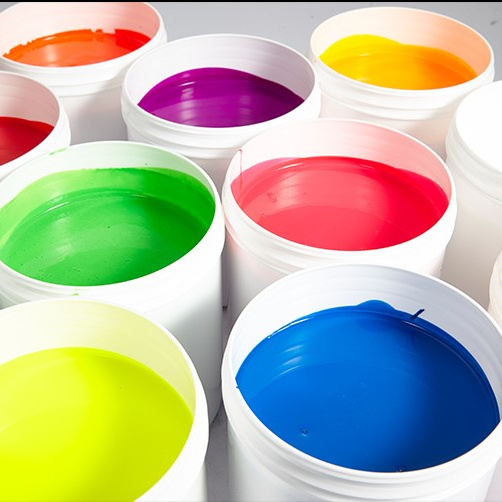
Types of Color Pastes for Polyurethane Systems
While HG-06 is a specific formulation, it exists within a broader category of colorants for polyurethane. Understanding the primary types helps buyers make informed decisions and specify their exact needs. The classification is typically based on the carrier liquid used to disperse the pigment, which must be compatible with the PU system it will be mixed into. The main distinction is between polyether-based and polyester-based pastes. Polyether-based pastes are widely used for applications requiring good hydrolysis resistance and low-temperature flexibility, such as in PU foam and many types of shoe soles. Polyester-based pastes are chosen for applications demanding high tensile strength, and abrasion and oil resistance. A mismatch between the paste's carrier and the PU system can lead to processing issues and a decline in the mechanical properties of the cured product. Pigments themselves are also classified as organic or inorganic, affecting properties like color vibrancy, opacity, lightfastness, and cost.
Key Features of a High-Quality HG-06 Formulation
When evaluating different sources for HG-06 color paste, discerning buyers should look beyond the color chip. The true performance is determined by a set of underlying chemical and physical properties that ensure consistency and reliability in a high-volume manufacturing environment. A superior formulation is not just about achieving the right hue; it's about delivering that hue identically, batch after batch, without negatively affecting the polyurethane reaction or the final product's integrity. Key performance indicators directly translate to smoother production runs and a higher-quality end product, reducing waste and improving profitability.
- Excellent Pigment Dispersion: The pigment particles must be finely ground and evenly distributed within the carrier. Poor dispersion leads to color streaks, agglomerates that can act as structural weak points, and inefficient color strength, meaning more paste is needed to achieve the desired shade.
- High Color Stability: The formulation should be resistant to fading or color shifts when exposed to heat during the curing process and to UV light during the product's service life. This ensures the final product maintains its intended appearance over time.
- Broad PU System Compatibility: A quality paste should not interfere with the delicate chemical reaction between the polyol and isocyanate. It must be formulated to integrate smoothly without affecting pot life, cure time, or the final physical properties like hardness and flexibility.
- Batch-to-Batch Consistency: For manufacturers producing thousands of items, color consistency is non-negotiable. Suppliers must demonstrate tight quality control to ensure that the color and performance of the paste remain identical from one order to the next.
Common Applications in PU Sole and Component Manufacturing
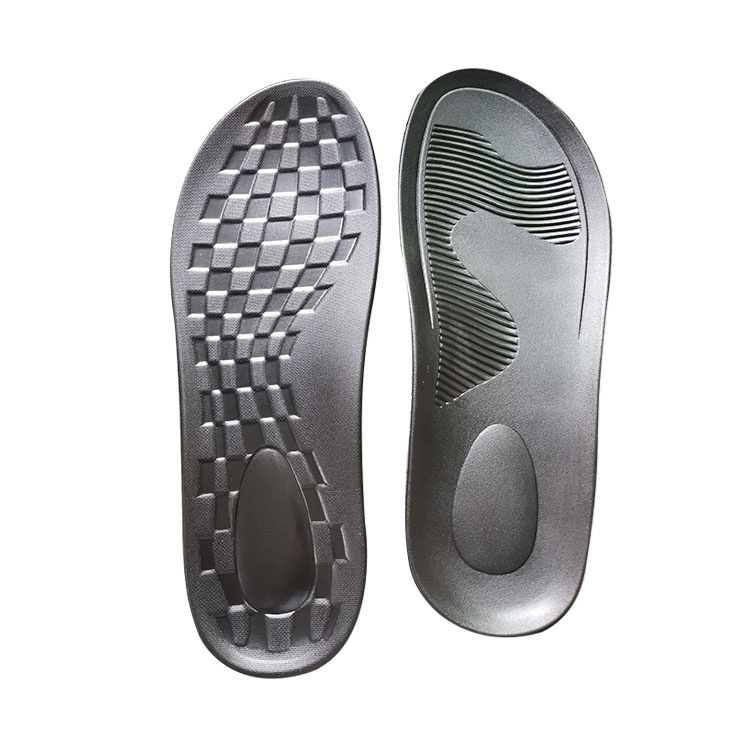
The primary application for this type of colorant is in the footwear industry for the production of polyurethane shoe soles. Its formulation is designed to withstand the demanding physical stresses placed on footwear, including abrasion, flexing, and exposure to various environmental conditions. However, its use is not limited to shoe soles. The same principles of providing consistent, integrated color apply to other manufacturing sectors that rely on polyurethane. For example, in the automotive industry, similar pastes are used for coloring PU car carpets and interior trim, where colorfastness and durability are essential. In furniture and bedding, they color flexible foams. The versatility of polyurethane means that compatible color pastes are also found in the production of molded parts, coatings, and even some specialized adhesives. For any of these applications, the color paste must become an integral part of the final polymer matrix.
Verifying Your Supplier: A Critical Checklist for Sourcing HG-06
Choosing a supplier based on price alone is a significant risk. A partnership with a reliable supplier ensures consistent quality, technical support, and supply chain stability. Before placing a production order, use the following checklist to vet potential suppliers. Each point addresses a common failure mode in the sourcing process that can disrupt production and compromise quality.
| Verification Check | Why It Matters (The Risk of Neglect) |
|---|---|
| Color Range & Customization | Does the supplier offer a standard range and, more importantly, can they match custom colors? Risk: Being locked into a limited palette or being unable to produce a client's specific brand color, leading to lost business opportunities. |
| Dispersion Consistency Data | Ask for data on particle size distribution or a certificate of analysis (COA) for a sample batch. Risk: Receiving a paste with poor dispersion results in color streaks, clogged machinery, and structurally weak final products, causing high rejection rates. |
| PU System Compatibility Confirmation | Confirm that the paste's carrier (e.g., polyether polyol) is compatible with your specific PU system. Risk: Incompatibility can alter curing times, affect foam cell structure, or degrade the final product's physical properties (e.g., hardness, flexibility), leading to catastrophic product failure. |
| Sample Approval Process | Does the supplier provide a production-grade sample for you to test in your own facility on your own equipment? Risk: A lab-scale sample might perform differently than a production-scale batch. Without in-house testing, you risk discovering a problem only after a full order arrives. |
| Minimum Order Terms (MOQ) | What are the supplier's MOQ policies? Flexible terms are better for new projects or smaller production runs. Risk: High MOQs force you to hold excess inventory, tying up capital and risking material expiration, especially for custom or infrequently used colors. |
Factors That Influence Polyurethane Color Paste Pricing
The price of polyurethane color paste is not arbitrary; it is determined by several key factors related to its composition and manufacturing. The single largest cost driver is typically the pigment itself. High-performance organic pigments that offer bright, vivid colors and excellent lightfastness are often more expensive than standard inorganic pigments like carbon black or titanium dioxide. The pigment concentration, or "loading," also plays a major role; a more concentrated paste provides stronger coloring power but requires more raw material per kilogram. The complexity of the manufacturing process, which includes multi-stage grinding to achieve fine particle dispersion, adds to the cost. Finally, market dynamics such as raw material availability and logistics costs can cause price fluctuations. When comparing quotes, it's important to evaluate the "cost-in-use" rather than just the price per kilogram. A more expensive but highly concentrated and efficient paste may ultimately be more economical. A reliable supplier should be transparent about these factors.
Best Practices for Using HG-06 in Production
Proper handling and usage of color paste are just as important as selecting the right product. To ensure optimal results and avoid common production pitfalls, operators should adhere to a clear set of guidelines. Integrating the paste correctly into the PU system is essential for achieving uniform color and maintaining the desired physical properties of the final product. Even a high-quality paste can perform poorly if used incorrectly. The following list outlines common mistakes that can lead to defects and waste during the manufacturing process.
- Mistake 1: Insufficient Mixing. Simply pouring the color paste into the polyol tank is not enough. It must be thoroughly agitated and mixed into the polyol component *before* it is combined with the isocyanate. Solution: Use a mechanical stirrer to pre-mix the color paste with the polyol until a completely homogeneous blend is achieved. This prevents color streaks in the final product.
- Mistake 2: Inaccurate Dosing. Adding color paste by volume or estimation leads to batch-to-batch color variation. Solution: Always dose color paste by weight using a calibrated scale. This ensures precise, repeatable color control, which is critical for brand consistency.
- Mistake 3: Ignoring Temperature Effects. The viscosity of both the color paste and the PU components can change with temperature, affecting flow rates and mixing efficiency. Solution: Store and use the color paste and PU components at the manufacturer's recommended temperature range to ensure consistent processing conditions.
- Mistake 4: Not Re-mixing After Storage. Pigments can slowly settle over time, even in a well-formulated paste. Solution: Before drawing from a container that has been stored for a period, always re-homogenize the paste by stirring or agitation to ensure the pigment is evenly suspended. This is especially important for partially used drums.
Your Partner for Customized Polyurethane Color Solutions
Sholee Chemicals is a specialized supplier of chemical additives, including high-performance color pastes, release agent solutions, and curing agent products for various industrial applications. We understand the technical demands of the polyurethane industry and focus on creating value for our customers. We support manufacturers of PU soles, automotive components, and other molded products by providing consistent and reliable colorant solutions. A key advantage we offer is flexibility; we have a no-MOQ (Minimum Order Quantity) policy, allowing you to order the exact quantity you need for a specific project or trial run. We also accept and develop customized color paste formulations to meet your unique product specifications. Our goal is to provide not just a product, but a solution that integrates perfectly into your manufacturing process.
Frequently Asked Questions about HG-06 Color Paste
What is the typical shelf life of PU color paste?
When stored in a sealed container in a cool, dry place away from direct sunlight, most polyurethane color pastes have a shelf life of at least 12 months. However, it is always best to check the manufacturer's specific recommendation on the product's technical data sheet. It is also good practice to re-mix any paste that has been stored for an extended period before use.
Can this color paste be used in both polyether and polyester PU systems?
It depends entirely on the carrier liquid used in the paste formulation. A paste designed with a polyether polyol carrier is intended for polyether-based PU systems. Using it in a polyester system can cause incompatibility issues. Always confirm with the supplier that the paste you are ordering is compatible with your specific chemical system. We can provide formulations suitable for different systems.
How does the addition of color paste affect the final hardness of the PU product?
When used at the recommended dosage (typically a low percentage by weight), a high-quality, compatible color paste should have a negligible effect on the final hardness (Shore A or D) of the cured polyurethane. However, using an excessive amount of paste or an incompatible formulation can interfere with the curing reaction and may soften the final product or alter its physical properties. It is crucial to conduct tests with your specific system to confirm performance.
If you are sourcing color paste for your PU production line or need to develop a custom color, contact us to discuss your requirements and request a sample for evaluation.