
Paper Isolation Agent Transfer Diagnosis
Diagnose Transfer Defects in Paper Isolation Coatings
Definition and Types of Paper Isolation Coatings
What the material is intended to do
Paper Isolation Agent is a release coating used on paper or paper based substrates to reduce unwanted bonding between the coated surface and another material during stacking, converting, handling, or later processing. The intended result is clean separation: the paper should release without pulling away coating, leaving residue, creating tack, or damaging the opposite surface. When transfer occurs, the defect is not always caused by the coating itself. It can also result from excessive application, incomplete drying, substrate variation, pressure during stacking, or contact with an incompatible material. Production teams should therefore treat transfer as a process diagnosis issue rather than immediately changing the supplied material. The first task is to identify where the transferred layer came from and whether it was still mobile when contact occurred.
Types of systems production teams should distinguish
For troubleshooting purposes, paper isolation systems can be grouped by how they function in the production sequence. A direct release coating is applied to the paper surface that must separate cleanly from another material. A barrier oriented coating is intended to reduce interaction between the paper substrate and a later applied layer. A multilayer construction uses more than one coating stage, where an underlayer, color layer, adhesive related layer, or finish can affect the final release result. These categories are useful because the defect location changes the diagnosis. Transfer from the top surface points toward application or drying conditions, while lifting from within the paper coating stack may point toward weak layer connection. This grouping does not replace product selection advice, because the correct material depends on the paper grade, downstream contact material, application equipment, and production conditions.
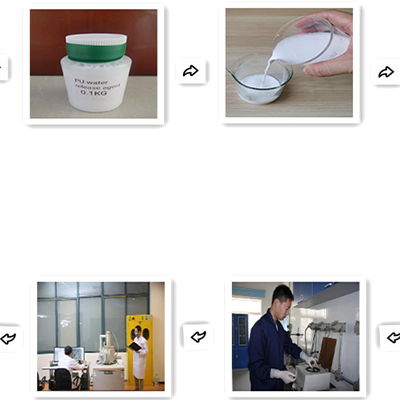
Features That Help Separate Cleanly
What operators should observe on a good production run
A functioning isolation layer should show even visual coverage, stable surface feel after the approved drying stage, and consistent separation after the actual contact process. The useful feature is not simply low tack on an isolated laboratory sheet. It is controlled release after the sheet has been wound, stacked, pressed, or converted under the same conditions used in production. Inspect both contacting surfaces. If the paper looks clean but the mating material carries a visible film, the issue is transfer. If neither surface carries a visible film but separation requires force or produces noise, the issue may be surface friction rather than coating transfer. This distinction matters because increasing coating amount may appear to improve separation initially while making drying and transfer risk worse. A sample should be judged only against the real substrate and contact material, not against appearance alone.
Common mistakes before changing the formulation
- Changing the coating first: Check application and drying records before requesting a new material. A formulation change will not correct an uncontrolled wet film.
- Inspecting only the paper: Examine the opposing surface for haze, gloss change, residue, or color pickup. Transfer may be easier to see there.
- Testing a fresh sheet only: Include the normal waiting, stacking, winding, or pressure stage. Fresh release can differ from release after contact.
- Combining several adjustments: Change one variable at a time. If coat weight, drying, and substrate all change together, the cause cannot be assigned.
- Ignoring paper variation: Compare the defect against retained sheets from another paper batch when available. Surface treatment and absorbency can alter coating behavior.
Applications Where Transfer Diagnosis Matters
Paper conversion and coated surface handling
Transfer diagnosis is relevant wherever coated paper contacts another surface before final use. In paper applications, including food paper production, the paper may pass through coating, drying, rewinding, stacking, cutting, printing, lamination, or packaging steps. Each contact point can create a different defect pattern. Transfer that first appears after rewinding suggests pressure, residual moisture, or insufficient drying before roll formation. Transfer that occurs only after a later coating step may indicate interaction with the new layer rather than failure of the original isolation film. Where a colored surface is involved, visual pickup can be confused with release failure; related PU paste pigment materials should be assessed separately from the paper isolation layer. The practical rule is simple: map the first point at which a clean sample becomes defective. That process step has more diagnostic value than the final inspection point.
How to build a useful production record
Use a batch record that follows the sheet from coating through the first confirmed defect. Record the paper grade, surface side, coating batch identification, application method, target coating setting, observed wet appearance, dryer setting, handling time, stacking or winding condition, and the identity of the material that touched the sheet. Keep a clean reference sample from the same run whenever possible. This approach fits purchasing managers as well as engineers because it turns a general complaint into information that can be discussed with a supplier. The limit is that records alone do not prove causation. They show where to compare samples and which variable to isolate in a controlled trial. If the problem is intermittent, retain both acceptable and defective sheets from the same operating period rather than relying on recollection after the run has ended.
Boundary Conditions Behind Coating Transfer
Diagnose in order before assigning blame
The boundary between clean isolation and coating transfer is reached when excessive coat weight, incomplete drying, or incompatible substrates cause the coating to move to the contacting surface rather than remain stable on the paper. Check these causes in a fixed order. Start with whether the transferred material is truly the coating, then assess applied amount, then drying completion, and finally substrate compatibility. This order prevents a common error: treating a contact problem as an application problem when the paper surface itself has changed. Excessive coat weight can leave more mobile material at the surface. Incomplete drying can leave the applied layer vulnerable to pressure or contact. An incompatible substrate can interfere with wetting, anchoring, or release even when the coating amount and dryer setting appear normal. Do not use this sequence to override an established quality procedure; use it to structure the investigation within that procedure.
| Diagnosis order | What to check first | What the symptom points to | Immediate action | Limit of the finding |
|---|---|---|---|---|
| Confirm transfer source | Inspect both paper and opposing surface under the same lighting | Visible residue, gloss change, haze, or color pickup on the opposing surface indicates material movement | Retain paired samples and identify the contacting material | Visual evidence does not identify whether the moved layer came from the isolation coat or another process layer |
| Check coat weight control | Compare the defect run with the approved application setting and retained acceptable sheets | Heavier appearance, pooling, streaks, or stronger transfer after application changes can indicate excessive application | Return to the approved setting and run a controlled comparison | A normal setting can still fail if paper absorbency or application uniformity has changed |
| Check drying completion | Compare sheets after the normal dryer stage and after the actual contact stage | Transfer that increases after stacking or winding suggests residual mobile material or insufficient drying | Verify dryer operation, dwell conditions, and handling before contact | More drying is not automatically the answer if substrate interaction is the actual cause |
| Check substrate compatibility | Compare another paper batch or the reverse side of the same paper where permitted | Defects limited to one paper grade, surface treatment, or contact material suggest incompatibility | Run a small controlled trial with the alternate substrate or contact surface | A single trial is directional evidence and should be repeated under normal production conditions |
Price Factors for Isolation Coating Procurement
What should be included in a meaningful quotation request
The price of an isolation coating should not be evaluated only as a unit material figure. The useful purchasing comparison includes the material required to cover the production area, expected application loss, trial material needs, potential rework exposure, and the cost of production disruption if transfer is not diagnosed correctly. A low quoted material price can become less favorable if the product requires repeated trials because the substrate and drying conditions were not defined at the RFQ stage. Provide the supplier with the paper type, intended contact material, application method, defect description, and whether the problem occurs before or after stacking. Sholee Chemicals lists no MOQ and a 30 day condition in its company information; confirm the timing and applicability for the exact customized request before committing a production schedule. No fixed price should be assumed without these process details.
| Quotation factor | Why it affects cost | Information to provide |
|---|---|---|
| Paper substrate | Surface treatment and absorbency can affect material selection and trial requirements | Paper grade, coated side, and retained sample availability |
| Application method | Different equipment can change film uniformity and material consumption | Coating method and approved production setting |
| Defect stage | Transfer before drying requires a different review from transfer after winding | First observed defect point and contact condition |
| Customization request | Customized industrial release agent requests require process information for proper review | Target use, substrate, and downstream material |
User Guide for Process Level Troubleshooting
A controlled procedure for the next production trial
Begin by stopping unnecessary formulation changes and preserving evidence from the defective run. Label paper samples by roll, stack position, coating side, and time of collection. Next, identify the first machine or handling stage after which transfer is visible. Prepare a comparison using the approved production condition and one adjusted condition only. If excessive application is suspected, compare the approved application setting against the setting used during the defect run while keeping paper and drying unchanged. If drying is suspected, keep the same paper and application setting while reviewing the dryer and contact timing. If substrate compatibility is suspected, keep the coating process unchanged and compare paper lots or contact materials. Where later curing steps are present, review them separately with the relevant paint curing agent information. Do not assume a curing product is appropriate for paper coating without confirming its intended use and process fit.
Buyer checklist before requesting technical support
- Provide photos of both the paper surface and the contacting surface.
- State whether the defect is tack, residue transfer, uneven release, coating lift, or a combination.
- Identify when the defect first appears during coating, drying, winding, stacking, or conversion.
- Send the paper grade and describe any surface treatment known to the production team.
- State whether the material contacts film, metal, adhesive related layers, printed surfaces, or another coated sheet.
- Keep acceptable and defective reference samples from the same production period.
- Specify whether a standard product review or customized industrial release agent discussion is required.
FAQ for Coating Transfer Defects
Can more coating solve poor release?
Not automatically. More material may improve apparent surface coverage while increasing the chance that the top layer remains mobile, especially if the dryer setting, contact timing, or substrate absorbency does not support the added application amount. The better first step is to compare the defective run with an accepted run and determine whether the defect began after a change in application setting. If transfer appears only after pressure from winding or stacking, inspect drying completion before increasing the application amount. More coating may be appropriate only when controlled testing shows that the existing film is discontinuous and all other conditions remain stable. It does not apply as a default response to tack, visible residue, or poor separation because each symptom can have a different source.
How can a team distinguish uneven release from coating transfer?
Uneven release means separation behavior varies across the sheet, but little or no coating may move to the opposing surface. Coating transfer means material visibly or measurably moves from the paper onto the surface it contacts. Inspect the full sheet, including edges, center areas, streaked zones, and points exposed to higher stacking pressure. If the defect follows a machine direction pattern, application uniformity or drying distribution may require review. If the defect is limited to contact points, stacking pressure, winding, or the mating material may be more relevant. This distinction should be documented before an RFQ or technical discussion. A supplier can assess material suitability more effectively when the reported defect identifies both the separation result and the physical evidence left on each surface.
Sholee Chemicals Supplier Support for Release Coating Reviews
How to discuss a customized requirement
Sholee Chemicals supplies release agent, chemical additives, color paste, and paint curing agent products, and accepts customized industrial release agent, painting, and chemical additive product requests. For a paper transfer issue, the most useful enquiry includes the coating purpose, paper substrate, contact material, application process, drying conditions, and retained defect samples or photos. This information helps keep the discussion focused on the actual process boundary rather than a general request for better release. Related finishing requirements may also involve products such as shoe sole paint for their intended applications, but paper coating selection should always be assessed against the paper process itself. If you are seeking a Paper Isolation Agent supplier, contact Sholee Chemicals for the latest product quotation and selection advice.