
Polyurethane Color Paste Carrier Compatibility Guide
Polyurethane Color Paste Carriers for Resin Compatibility
Definition and Selection Purpose
Polyurethane Color Paste is a concentrated pigment dispersion designed to introduce controlled color into polyurethane formulations without adding dry pigment directly into the mix. It commonly contains pigment, a carrier medium, and dispersing components that help the pigment distribute through a PU resin system. For technical buyers, the carrier is not a minor formulation detail. It affects whether the paste blends evenly, changes processing viscosity, influences color development, and fits the mixing routine used for cast parts, foam products, or PU elastomers. A paste that looks suitable by shade alone may still create problems if its carrier does not match the resin side, polyol blend, or process solvent used on the production line. The practical buying question is therefore not simply which shade to purchase. It is whether a solvent-based, polyol-based, or resin-based carrier supports the specific polyurethane formulation and handling method under evaluation.
Carrier selection should begin with the base formulation rather than the finished part color. A buyer working with a liquid polyol component should first assess whether the paste can be incorporated into that component before it meets the isocyanate side. A processor using a resin-rich coating or adhesive formulation should assess whether the carrier remains compatible with that resin package and whether it changes application behavior. Where process solvents are already present, a solvent carrier may be considered, but only after checking whether the solvent system is acceptable for the resin, workplace controls, and downstream drying conditions. This approach reduces avoidable trials and makes supplier shortlisting more disciplined.
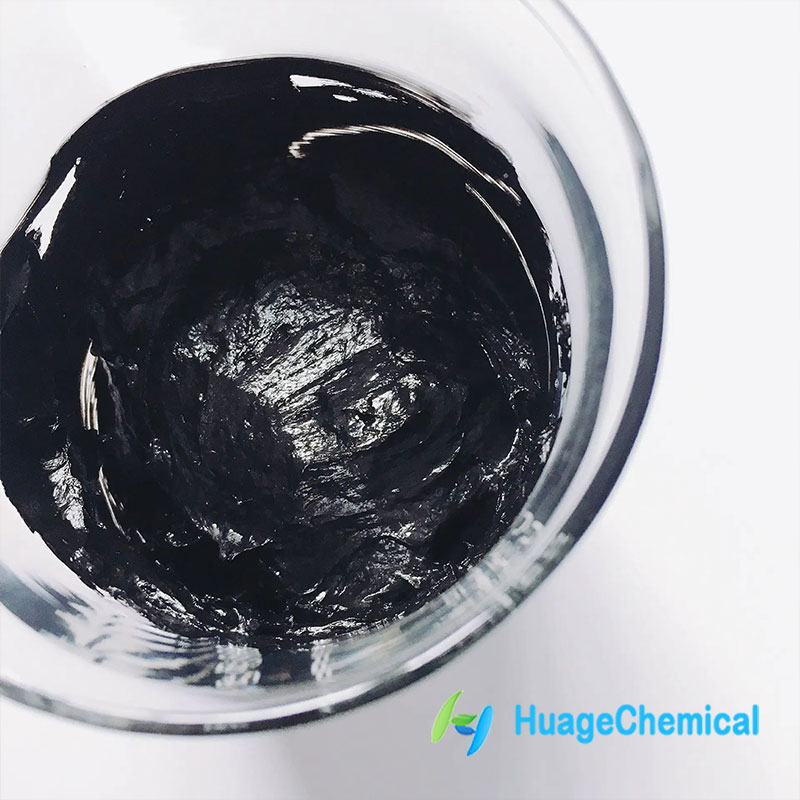
Types of Carrier Systems for PU Formulations
Color pastes for polyurethane work can be grouped into three practical carrier categories: solvent systems, polyol systems, and resin systems. Each category can support a different route for adding pigment into a formulation. Solvent systems are generally considered when the PU process already uses a compatible solvent or when the colored material is applied as a coating, paint, or adhesive layer. Polyol systems are generally considered when color is added into the polyol side before mixing with isocyanate. Resin systems are generally considered when the colored paste is intended to work with a defined resin package, such as a coating, casting compound, or other resin-led formulation. The carrier is the bridge between the pigment and the production material. If that bridge is poorly matched, the colorant may mix slowly, separate during storage, or interfere with the process window.
- Solvent carrier: Choose this route when the receiving formulation is solvent-tolerant and the production process already manages solvent addition, mixing, ventilation, and drying requirements. It is less suitable when the formulation is intended to remain solvent-free or when added solvent may disturb viscosity control.
- Polyol carrier: Choose this route when the paste will be preblended into a compatible polyol component for foam, cast, or elastomer PU production. It is less suitable if the paste is being introduced into a resin system that does not accept the selected polyol carrier.
- Resin carrier: Choose this route when the paste is designed around the chemistry of the receiving resin system and the buyer needs the colorant to follow the resin’s application behavior. It is less suitable as a universal substitute across unrelated PU systems.
A fourth category sometimes appears in supplier discussions: a customized carrier approach. This is not automatically a better choice. It is appropriate when the buyer has a defined resin system, a required color target, and a known processing concern that standard pastes cannot address. The buyer should provide the intended application, resin type, component receiving the paste, mixing sequence, and any restrictions on solvent or viscosity change. Without these details, “customized” can become an unclear request rather than a useful technical specification.
Comparison of Solvent Polyol and Resin Carrier Systems
The correct choice depends on where the paste enters the process and what the receiving material can tolerate. A solvent carrier is not automatically the best option for fluidity, and a polyol carrier is not automatically the right choice for every polyurethane product. Buyers should use the comparison below as a selection rule. First identify the component that receives the paste. Next consider whether the formulation can accept the carrier. Then assess whether the added paste changes viscosity or handling in a way that production can control. Color strength should be reviewed through the supplier’s product information and application trial because pigment type, shade, dispersion quality, and the final resin all affect visual output.
| Carrier system | Compatibility focus | Color strength assessment | Viscosity impact | Handling needs | When to choose it |
|---|---|---|---|---|---|
| Solvent-based | Assess compatibility with the formulation’s approved solvent system and resin tolerance. | Assess color development after drying or cure because the final film or part may differ from the wet mix. | May reduce apparent mix thickness or change application flow depending on the receiving formulation. | Requires solvent-aware storage, mixing, ventilation, and process controls. | Choose for solvent-tolerant PU coatings, paints, or adhesive-related systems where solvent handling is already part of the process. |
| Polyol-based | Assess compatibility with the polyol component and confirm the intended preblend sequence before isocyanate addition. | Assess shade and opacity in the final foamed, cast, or elastomer product, not only in the polyol blend. | Can change the viscosity of the polyol side and may affect pumping or dosing behavior. | Requires controlled pre-mixing and attention to storage uniformity before production use. | Choose when color is added directly to a compatible polyol side for PU foam, casting, or elastomer processing. |
| Resin-based | Assess whether the carrier resin fits the receiving resin package, cure route, and application method. | Assess color strength in the cured resin because gloss, thickness, and resin clarity can affect appearance. | May increase or alter formulation body depending on the relative viscosity of the paste and base resin. | Requires confirmation of mixing order, pot-life considerations, and application consistency. | Choose for resin-led PU coating, casting, or formulated systems where carrier-resin affinity is the main concern. |
The decision rule is direct. Choose a polyol carrier when the paste is intended for a compatible polyol-side addition and the processing team can control viscosity in that stream. Choose a resin carrier when the colorant must align closely with a specific resin package and cured-film or cast-part behavior matters most. Choose a solvent carrier only when the receiving system accepts that solvent and the production site has the necessary handling process. Do not select a carrier solely because it disperses easily in a laboratory cup. A short production-relevant evaluation should include mixing behavior, appearance after cure, and any visible separation or processing change.
Performance Features Buyers Should Evaluate Before Approval
Technical approval should focus on observable production and product requirements rather than broad descriptions such as “high quality” or “universal compatibility.” The first feature to assess is dispersion uniformity. A paste should distribute through the receiving formulation without visible pigment clumps, streaking, or unstable color variation under the buyer’s normal mixing method. The second is carrier fit. The paste should be evaluated in the actual component where it will be added, not only in a substitute liquid. The third is viscosity influence. Even when a colorant is added at a low use level, its carrier can alter flow, pumping, pouring, spraying, or mold filling behavior. The fourth is final appearance after the relevant cure or drying stage.
- Check the receiving component: Confirm whether the paste will enter a polyol blend, resin blend, solvent-containing coating, or another defined formulation stage.
- Check mixing order: Ask whether the paste should be pre-dispersed in one component before other materials are introduced. Do not assume the same order works for every carrier type.
- Check visual consistency: Evaluate shade consistency across trial panels, cast samples, foam pieces, or elastomer parts made by the intended process.
- Check process influence: Observe whether the colored blend behaves differently during pumping, pouring, spraying, coating, or mold filling.
- Check storage behavior: Inspect for settling, separation, skin formation, or other changes according to the supplier’s handling guidance and the buyer’s storage conditions.
These checks have limits. A small laboratory trial can identify obvious incompatibility, but it may not fully represent production equipment, batch size, or curing conditions. Conversely, a successful single production sample does not prove that any shade or carrier variation will behave identically. Buyers should define approval around their own resin, process sequence, application method, and appearance standard. When an associated material affects release from molds, evaluate it separately with a suitable industrial release agent; a color paste should not be expected to solve mold-release issues.
Application Fit for Cast Foam and Elastomer PU Products
Cast polyurethane parts, flexible or rigid foam products, and PU elastomers can all use pigment pastes, but their formulation routes differ. In cast applications, the paste may be blended into a designated component before casting. The buyer should assess whether the carrier affects the flow of the mix into the mold, visual uniformity through the part, and appearance after cure. In foam applications, color is often assessed after expansion and cure because the cellular structure can change the visual impression of a shade. In elastomer applications, surface finish, thickness, and mold conditions can also affect perceived color. The same pigment shade can therefore look different across applications even if the color paste itself is unchanged.
For PU sole-related work, the colorant evaluation should be linked to the full production combination: the polyurethane formulation, mold condition, curing process, and any finishing system. If a colored sole receives a later coating step, the buyer should assess color coordination with the selected shoe sole paint rather than approving the paste in isolation. For coating and adhesive-related PU systems, resin carrier compatibility and cure behavior should be reviewed together. If a formulation includes a separate cure component, the color trial should follow the actual addition sequence used with the selected paint curing agent. This does not mean the color paste determines curing performance; it means a realistic trial should reflect the full formulation process.
Price Factors and RFQ Information for Color Paste Supply
Color paste pricing can vary because the commercial request may involve different pigments, shades, carrier systems, packaging preferences, and technical evaluation needs. A buyer comparing quotations should not treat two products with the same color name as directly comparable without checking their carrier basis and intended use. A black paste for a polyol-side foam system, for example, should not be compared only by unit price with a black paste designed for a solvent-containing coating. Their formulation route, handling requirements, and fit with the receiving resin may differ. The lower-priced option can create added cost if it requires reformulation, produces rejected appearance, or cannot be handled within the existing process.
| Price factor | Why it changes the quotation | What the buyer should state in an RFQ |
|---|---|---|
| Pigment shade | Different color targets can require different pigment selections and dispersion approaches. | Provide the required shade reference, sample, or approved color standard. |
| Carrier type | Solvent, polyol, and resin carriers are intended for different compatibility and handling conditions. | State the PU application and the component that will receive the paste. |
| Application route | Cast, foam, elastomer, coating, and adhesive uses can require different evaluation methods. | Describe the process stage, mixing method, and curing or drying route. |
| Customization request | A tailored formulation needs clear technical targets for evaluation. | Provide resin information, solvent restrictions, viscosity concerns, and appearance requirements. |
| Packaging and order plan | Packaging choice and supply arrangement affect commercial planning. | State preferred packaging, trial requirement, and expected purchasing schedule. |
The most useful quote request is specific but does not need to expose proprietary formulation details. At minimum, identify the end use, whether the receiving material is polyol-based, resin-based, or solvent-containing, the required shade, and the main production concern. Examples of valid concerns include compatibility with a designated component, control of viscosity change, color uniformity, or handling during mixing. Sholee Chemicals supplies color paste and related chemical products and accepts customized industrial release agent, painting, and chemical additive product requests. The company brief also states that there is no MOQ, which can help buyers arrange an initial evaluation request without building an unnecessary order quantity assumption into the first discussion.
User Guide for Evaluating Carrier Compatibility
Use a controlled evaluation sequence before moving a candidate paste into regular production. Start by confirming the carrier category and intended receiving component with the supplier. Prepare the trial using the same raw materials, mixing equipment, and process order that the plant uses for the target product. Record the condition of the paste before addition, then observe the blend after mixing for visible non-uniformity or unexpected changes in handling. Produce samples through the normal casting, foaming, coating, or elastomer process. Review the final samples after the relevant curing or drying step, because wet blend appearance may not represent the finished product. Keep the trial focused: change one factor at a time whenever possible so that the carrier effect can be understood.
- Define the use point: Identify exactly which component receives the color paste and at what stage of mixing.
- Confirm carrier fit: Compare the carrier system with the receiving resin, polyol, or approved solvent route.
- Prepare a controlled blend: Follow the intended production mixing order and document any visible dispersion or viscosity changes.
- Make representative samples: Use the target application method, whether casting, foaming, molding, spraying, or coating.
- Evaluate finished appearance: Compare shade consistency, surface appearance, and visible pigment distribution after cure or drying.
- Review process practicality: Decide whether the paste can be added, mixed, stored, and handled within the existing production routine.
- Request adjustment only with evidence: If the result is not suitable, report the carrier type, receiving component, process sequence, and observed issue to support a focused follow-up discussion.
A common mistake is to evaluate only color strength in a clear container. That test may show dispersion in a liquid but does not confirm final appearance in a foamed, opaque, thick, glossy, textured, or molded PU part. Another mistake is adding the paste to the isocyanate side without first confirming that this is the supplier’s intended route. A third mistake is changing the colorant, curing conditions, and base formulation at the same time, which makes the cause of a result unclear. Do not treat a carrier comparison as a pigment-only comparison. The carrier is part of the formulation decision.
Color Paste Supplier Considerations for Technical Shortlisting
A color paste supplier should be assessed by how well it can support a clear technical request, not by broad marketing statements. For a buyer evaluating alternatives, useful supplier communication includes identifying the proposed carrier basis, asking where the paste enters the process, and confirming the intended application category. Technical buyers should also ask what information is needed to assess a customized request. A productive shortlist discussion covers the target PU product, carrier preference or restriction, shade requirement, mixing sequence, and the process issue the buyer wants to avoid. This gives purchasing, formulation, and production teams a common basis for comparison.
Sholee Chemicals is a supplier of release agents, chemical additives, color pastes, and paint curing agent products for industrial applications. Its listed application areas include PU soles, PU car carpets, wood-based panels, paper for food use, metal die casting, and paint and glue curing agent products. For color paste enquiries, the useful starting point is a description of the PU resin system and whether the process favors a solvent, polyol, or resin carrier. Where a project also requires associated additives or release materials, state those requirements separately so that each product can be assessed for its own role. This keeps the color selection discussion technically focused and avoids assuming that one material can replace another.
FAQ of PU Color Paste Carriers
Should a buyer choose a polyol carrier for every polyurethane application?
No. A polyol carrier is most relevant when the paste is intended to blend into a compatible polyol-side component before the polyurethane reaction process. It may be a logical starting point for certain foam, cast, or elastomer production routes, but it is not a universal answer for resin-led coatings, adhesive systems, or solvent-containing formulations. The buyer should confirm the actual addition point and assess the effect on the receiving component’s handling. If the paste will be used in a defined resin package rather than a polyol stream, a resin carrier may provide a more relevant compatibility route. Selection should follow the formulation architecture, not the product name alone.
Does stronger color always mean a better paste?
No. Color strength is only one evaluation point. A paste must also distribute evenly, fit the carrier environment, and support the normal production method. A highly concentrated paste may still be unsuitable if it changes viscosity beyond what the process can manage or if it does not mix consistently into the receiving material. The finished part matters more than the appearance of the paste in its container. Buyers should evaluate final color uniformity, process behavior, and carrier compatibility together. This is especially relevant when comparing cast parts, foamed products, and coated surfaces because their final visual appearance can differ substantially.
What details should be included when requesting a quotation?
Include the PU application, target shade, carrier preference or restriction, receiving component, intended mixing stage, and any known process concern. For example, a buyer may state that the paste will be added to a polyol component for a molded PU product and that stable mixing behavior is the main evaluation requirement. Another buyer may state that the paste is for a solvent-containing coating and that the carrier must fit the existing resin system. These details help a supplier discuss a relevant option rather than offering a generic color product. If you are seeking a color paste supplier for a PU formulation, contact Sholee Chemicals for current product quotation and carrier selection advice.