
PU Pigment Batch Cost Calculation Guide for Procurement Teams
Calculating PU Pigment Cost Per Batch Helps Procurement Teams Compare Supplier Quotes With Confidence
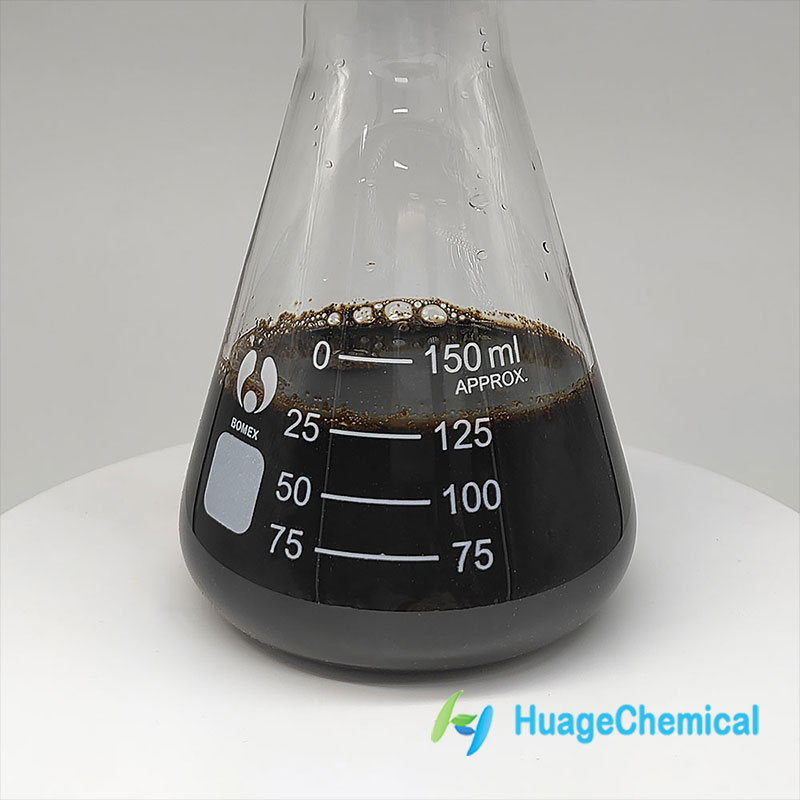
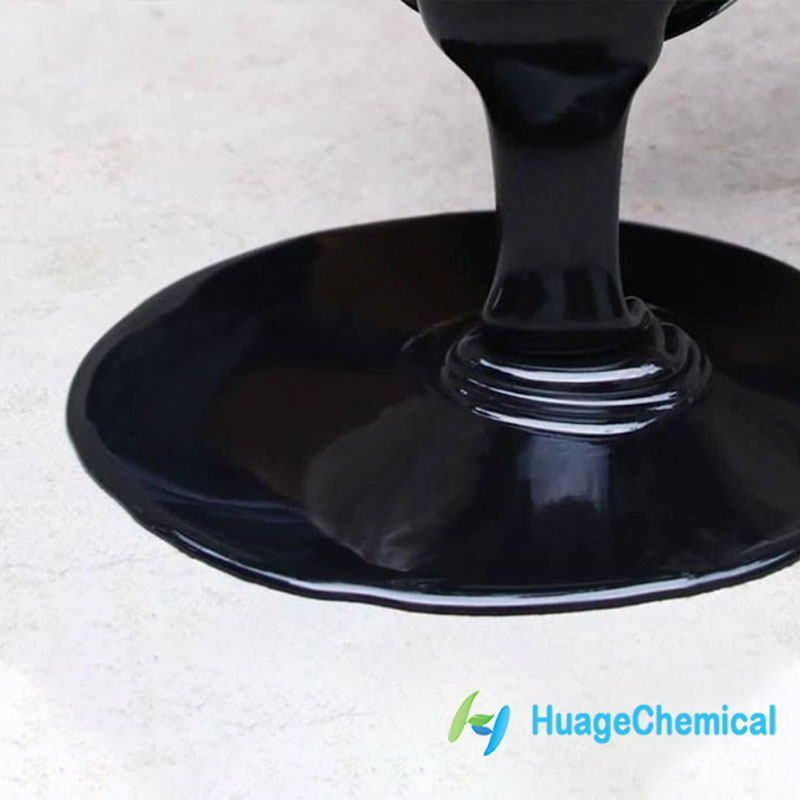
PU Pigment is a concentrated colorant paste designed to be mixed into polyurethane systems before molding or coating. When procurement teams request quotes from multiple pigment paste suppliers, the numbers rarely line up cleanly — one vendor quotes per kilogram, another quotes per batch, and a third bundles freight into the unit price. Before signing off on a purchase order, you need a repeatable way to compare these figures on equal footing. That's the gap this article fills: a working formula, real cost categories, and a checklist you can run against any quote that lands on your desk.
What Is PU Pigment and Why Batch Costing Matters
PU Pigment refers to pigment dispersed in a carrier resin or plasticizer, formulated specifically for polyurethane applications such as shoe soles, car carpet backing, and molded foam parts. Unlike dry powder pigment, paste form disperses faster and reduces streaking during mixing. Because pigment paste is usually the single largest variable cost in a colored PU formulation — more than the base polyol or the curing agent in many recipes — getting the batch cost calculation wrong can throw off your entire product costing sheet. A 0.5% error in pigment loading, multiplied across a 500 kg batch, is not a rounding error. It's a line item your finance team will ask about.
Types of PU Pigment Paste
Pigment paste is not one product — it comes in several forms depending on the resin carrier and intended process.
- Polyol-carrier paste — blends directly into the polyol side of a two-component PU system, common for shoe soles and molded foam.
- Plasticizer-carrier paste — used where the final part needs flexibility, such as PU car carpet backing.
- High-concentration masterbatch paste — designed for low-dosage use, reducing the amount of paste needed per batch but usually priced higher per kilogram.
- Custom shade paste — matched to a client's Pantone or physical swatch, often requiring a formulation fee separate from the per-kg price.
Choosing the wrong carrier type doesn't just cause color problems — it can affect cure speed when paired with a curing agent, so carrier compatibility should be confirmed before ordering.
Features of PU Pigment That Affect Cost
Three technical characteristics drive most of the price variation between pigment paste options: pigment loading, shade strength, and dispersion quality. Pigment loading is the percentage of active pigment in the paste — a higher loading means less paste needed per batch, even if the per-kg price looks higher on paper. Shade strength describes how much color a given weight of paste delivers; two pastes with identical loading can still perform differently if particle size or dispersion differs. Dispersion quality affects scrap rate — poorly dispersed paste causes streaking, which means rejected parts and wasted colorant. None of these appear on a standard price sheet, so ask your supplier directly before comparing quotes side by side.
PU Pigment Application Areas
PU Pigment paste is used across several manufacturing lines, each with different dosage norms:
- PU soles and midsoles, often paired with a shoe sole paint topcoat for finish consistency
- PU car carpet backing and molded automotive interior parts
- Wood-based panel coatings requiring color-matched surface finishes
- Metal die casting release systems where color-coded release agent is used to distinguish mold types — see our release agent range for compatible options
Each application has a different tolerance for shade drift. Shoe soles, for example, are usually inspected under standard light boxes with tight Delta-E tolerance, while carpet backing has more visual leeway since it's hidden under upholstery.
Batch-Cost Formula for PU Pigment
Here is the core formula procurement teams should run before accepting any quote:
Batch Colorant Cost = (Batch Weight × Pigment Loading %) × Unit Price per kg × Shade Strength Factor + Scrap Allowance
The tricky part isn't the math — it's knowing which numbers you actually have versus which ones you're guessing. Separate them clearly before you build your budget:
| Cost Category | What It Includes | Status |
|---|---|---|
| Confirmed | No minimum order quantity requirement — small trial batches are accepted without MOQ surcharge; standard lead time of 30 days for custom formulation orders | Confirmed by supplier policy |
| Estimated | Pigment loading percentage (typically ranges by shade depth and carrier type), scrap allowance built from your own historical reject rate | Varies by formulation — confirm per SKU |
| Unknown until quoted | Exact per-kg unit price, custom shade matching fee, freight cost to your facility | Requires a supplier quote — do not assume |
Never present an estimated loading percentage as if it were a confirmed unit price. That's the single most common error we see procurement teams make when building an internal costing sheet — they treat a supplier's example calculation as a locked-in quote.
Worked Example (Illustrative Only)
Say your batch weight is 500 kg, your target pigment loading is 2%, unit price is quoted at $8/kg, and your shade strength factor is 1.0 (standard concentration). Your scrap allowance, based on your own line's historical reject rate of 3%, adds a buffer.
- Pigment needed: 500 kg × 2% = 10 kg
- Base cost: 10 kg × $8 = $80
- Scrap allowance: $80 × 3% = $2.40
- Total batch colorant cost: $82.40
This is an illustrative calculation only — your actual unit price and loading percentage must come from a real quote, not this example.
PU Pigment Price and What Moves It
Pigment paste pricing swings on a handful of factors: raw pigment source (organic pigments generally cost more than inorganic ones), shade complexity (custom color matching adds a one-time formulation fee), order volume, and carrier resin type. Because Sholee Chemicals doesn't enforce a minimum order quantity, small-batch buyers testing a new shade won't be penalized with a MOQ surcharge — though per-kg pricing on very small trial orders may sit higher than a bulk production run simply due to fixed handling costs. Always ask your supplier to break the quote into unit price, formulation fee, and freight separately, rather than accepting one bundled number.
PU Pigment User Guide — Avoiding Common Batch Costing Mistakes
- Mistake: Comparing per-kg price across suppliers without checking pigment loading — a cheaper paste at lower loading can cost more per batch.
- Mistake: Forgetting to include scrap allowance in the budget, then getting surprised by reorder costs mid-production.
- Mistake: Assuming MOQ rules are universal — confirm with your supplier whether small trial batches carry a surcharge.
- Mistake: Skipping a dispersion test before committing to a full production run, especially when switching carrier types.
A simple step-by-step check before placing an order: confirm loading percentage in writing, request a small trial batch, run a dispersion test, then lock in pricing for the full production volume.
PU Pigment Supplier — Working With Sholee Chemicals
Sholee Chemicals supplies release agent, chemical additive, color paste, and paint curing agent products to manufacturers working in PU soles, PU car carpets, wood-based panels, food-grade paper, and metal die casting. We accept customized industrial release agent and pigment paste formulations without a minimum order requirement, and typical custom orders are processed within 30 days. Our goal is straightforward: give procurement teams accurate cost information up front so budgets hold up once production starts, rather than shifting after the first batch ships.
FAQ of PU Pigment
Does a lower pigment loading always mean a lower batch cost?
Not necessarily. Lower loading means you need more paste by weight to hit the target shade, which can offset a lower per-kg price. Always calculate total batch cost, not per-kg price alone.
Is there a minimum order quantity for custom PU pigment paste?
No — Sholee Chemicals does not enforce a minimum order quantity, which supports small trial batches before scaling to full production.
How long does a custom pigment formulation take?
Standard lead time for custom formulation orders is 30 days from confirmed specification.
Can pigment paste be used with any curing agent?
Compatibility depends on carrier type. Confirm with your supplier before combining a new pigment paste with an existing curing agent system.
If you're comparing PU pigment paste options and want a batch-cost breakdown for your specific formulation, feel free to contact us for a quote — we're happy to walk through loading percentage, shade strength, and pricing details before you commit to a production run.