
Choosing PU Pigment Paste or Dry Powder
Choosing PU Pigment Paste or Dry Powder
Definition and Selection Purpose
PU Pigment is a colorant system used to give polyurethane materials, coatings, and related products a controlled visual appearance. In purchasing and production terms, the decision is usually not simply about selecting a color. It is about choosing the colorant format that fits the plant’s mixing equipment, batch-control method, housekeeping standards, formulation requirements, and operator workflow. Pigment paste is a pre-dispersed colorant carried in a liquid medium, while dry powder is a solid pigment format that must be weighed, added, and dispersed within the production process. Neither format is automatically the better option. Paste is often selected when repeatable dosing and lower dust exposure are priorities. Powder can suit facilities that already have controlled powder handling and a validated dispersion process. The correct decision should follow a trial using the actual resin, additives, process temperature, mixing sequence, and finished-product acceptance criteria.
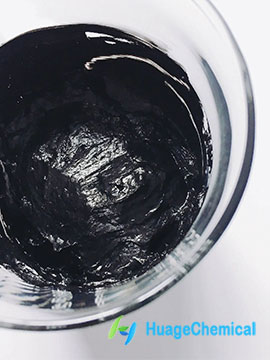
Types of Colorant Formats for Polyurethane Production
Production managers normally compare two primary formats: pigment paste and dry powder pigment. A paste contains pigment that has already been dispersed into a carrier system, so the material can be introduced as a liquid or semi-liquid addition during batch preparation. This format may be easier to meter where liquid dosing equipment, syringes, pumps, or controlled manual additions are already used. Dry powder pigment is supplied as a particulate solid and generally requires accurate weighing plus enough mixing energy to break up agglomerates and distribute color through the formulation. Some plants prefer powder when their process is designed around solid raw materials, while others prefer paste because it reduces handling steps at the mixer. Before approving either option, procurement teams should request information on the intended resin system, carrier compatibility, recommended addition approach, storage conditions, and whether a trial batch is needed. A colorant should be selected as part of the full formulation, not as an isolated purchasing item.
Features That Matter During Repeatable Batch Production
The most useful comparison is based on what can change from one batch to the next. A paste can support controlled additions because the pigment has been prepared in a carrier, but its suitability still depends on whether that carrier is compatible with the resin and other ingredients. Dry powder can provide a direct solid-colorant route, yet it places more responsibility on weighing discipline, dispersion time, addition order, and dust management. For a production line making repeat batches, the key question is not which product has the strongest marketing description. The key question is which format helps the plant maintain its own approved process with fewer avoidable variables. Choose paste when the line needs a liquid-format colorant and operators need a simpler dosing routine. Choose powder when the site has suitable powder controls and can demonstrate uniform dispersion in its actual process. Do not choose either format based only on a color chip or a small laboratory appearance check.
Compare Paste and Powder Before Approving a Colorant System
Use the following table as a process decision tool rather than a generic specification sheet. The right option depends on the equipment and quality controls already present in the factory. For example, a plant with manually weighed powder additions but limited dust controls should examine paste first. A plant with validated high-shear mixing and a managed powder-handling area may be able to use dry material effectively. Color consistency should always be verified through trial batches because the final appearance can be affected by resin selection, fillers, additives, curing conditions, coating thickness, and substrate surface. The table identifies where each format may reduce process risk and where further validation is still required.
| Decision Factor | Pigment Paste | Dry Powder Pigment | When to Choose It |
|---|---|---|---|
| Dispersion quality | Pre-dispersed format can reduce the amount of pigment breakup required during production mixing. | Depends strongly on mixing energy, addition order, and the ability to disperse solid particles. | Choose paste when the existing mixer has limited dispersion capability. Choose powder only after confirming the plant can achieve a uniform result. |
| Dosing accuracy | Can suit liquid or semi-liquid dosing methods when the paste remains homogeneous before use. | Requires controlled weighing and measures to prevent loss or variation during transfer. | Choose paste for liquid-based batch control. Choose powder when calibrated weighing and controlled transfer are established. |
| Dust control | Usually creates less airborne pigment during addition because it is not handled as a loose powder. | Can create handling concerns if poured or transferred without suitable containment procedures. | Choose paste where housekeeping and reduced powder exposure are priorities. Powder fits only where dust controls are appropriate. |
| Color consistency | May support repeatability when the paste is mixed before use and added through a controlled method. | Can be consistent when each batch is accurately weighed and fully dispersed. | Choose either format only after confirming the finished color against the approved production standard. |
| Compatibility risks | The carrier must be checked against the polyurethane formulation and other liquid components. | The pigment surface and dispersion behavior must be checked within the resin system. | Choose neither without a compatibility trial using the intended resin, additives, and curing conditions. |
Application Scenarios and Limits of Each Option
Colorant selection should begin with the end product and process route. For PU soles, the color system may need to work with the molding formulation and the appearance requirements of the finished footwear component. For PU car carpets, managers may focus on even visual coverage and process control across repeated runs. In coatings, shoe sole paint, and related finishing products, compatibility with the coating base and curing process must be checked before production approval. Sholee Chemicals also supplies shoe sole paint, which makes it useful to evaluate colorant choice alongside the wider finishing system rather than in isolation. Pigment paste can be a practical option for liquid formulations or operations using controlled liquid additions. Dry powder can be considered for processes designed to disperse solids effectively. Neither option should be assumed suitable for food-contact paper, metal die-casting processes, wood-based panels, or other applications without confirming the specific formulation and applicable requirements.
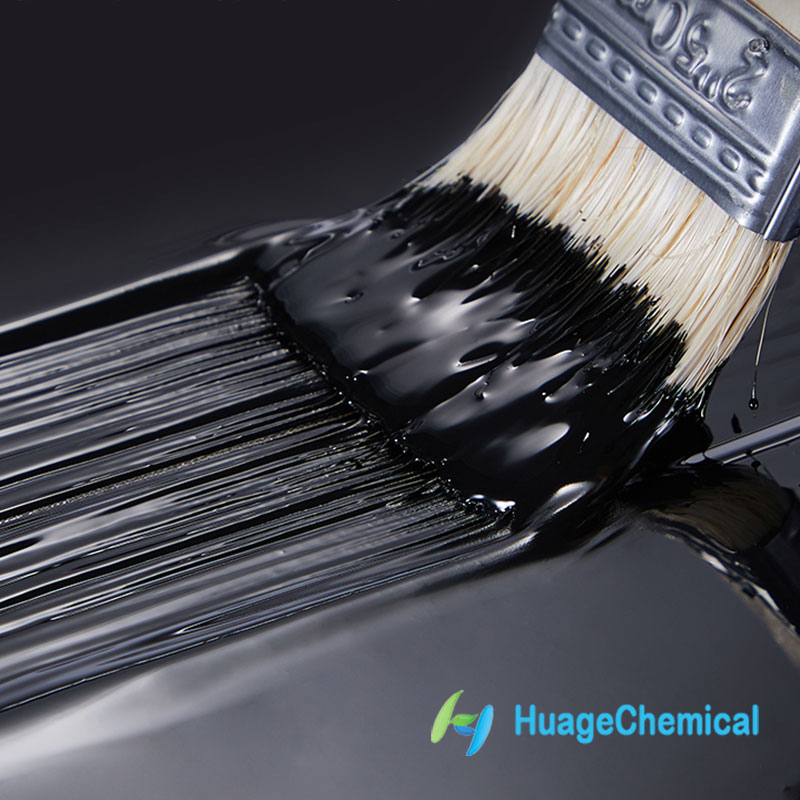
Price Factors That Affect the Purchasing Decision
A comparison based only on the purchase price per container or per kilogram can lead to the wrong sourcing decision. The usable cost includes how the material is handled, how much labor is needed for weighing and cleaning, whether extra dispersion time is required, and how much trial work is needed before the formulation is approved. Pigment paste may have a different purchase-price structure because it includes a carrier and preparation step, while dry powder may appear simpler as a raw material but require more process control at the plant. Price should therefore be reviewed together with expected batch size, dosing method, storage practices, packaging preference, and the cost of rejected or reworked material. No fixed price should be assumed because color, formulation needs, order details, and customization requirements can change the quotation.
| Cost Area | Questions for Pigment Paste | Questions for Dry Powder |
|---|---|---|
| Material quotation | What carrier system and color requirements are included in the quotation? | What pigment type, packaging, and handling requirements affect the quotation? |
| Production labor | Can the plant add and mix the paste using its current liquid-handling routine? | Does the plant need separate weighing, transfer, and powder-cleaning steps? |
| Quality-control work | Is the paste mixed before use and checked for uniformity? | Is dispersion checked before the batch is released? |
| Trial cost | Has carrier compatibility been tested with the actual formulation? | Has the plant confirmed that its mixer can fully disperse the powder? |
User Guide for a Controlled Evaluation Trial
Run a controlled comparison before changing a production colorant system. The purpose is to identify process fit, not merely to make a sample that looks acceptable at first glance. Use the same base resin, additives, mixing vessel, mixing sequence, curing conditions, and visual inspection method for both options wherever possible. Record every addition and process observation so the production, quality, and procurement teams can review the result together. A paste must be checked for uniformity before addition according to the supplier’s handling guidance. A powder must be weighed accurately and introduced in a way that avoids uncontrolled loss or concentrated pigment pockets. If the end product uses a curing component, assess the color system with the relevant curing agent rather than testing it in an incomplete formulation. Do not release a new colorant format to routine production until the trial result meets the company’s own defined acceptance standards.
- Define the finished-product color, appearance, and process requirements before requesting samples.
- Prepare matching test batches using the same production formulation and batch procedure.
- Check handling observations, including flow, dust, transfer losses, and cleaning requirements.
- Inspect the mixed material for visible color variation or signs of incomplete dispersion.
- Evaluate the finished part or coating after the normal curing process.
- Document the preferred format, limits of use, and approved operating procedure before purchase approval.
Common Purchasing Mistakes to Avoid
A frequent mistake is approving a colorant after comparing only a supplied color sample. A sample may look acceptable outside the actual resin system but behave differently after mixing, curing, or application. Another mistake is treating dry powder as interchangeable with paste because both produce the same nominal color. Their handling and dispersion requirements are different, so a direct substitution can change the process. Buyers should also avoid requesting a quotation without explaining the intended polyurethane system, finished application, and desired packaging or customization needs. This can make it difficult for a supplier to provide relevant selection guidance. A further error is ignoring nearby process materials. For example, a release system used in molded production may affect the overall manufacturing route, so it should be considered together with the colorant and other additives. Sholee Chemicals supplies industrial release agent products that can be discussed when evaluating a broader molding process.
- Do not approve a format solely because its initial unit price appears lower.
- Do not assume a paste carrier is compatible with every resin or additive package.
- Do not assume powder will disperse properly without confirming the available mixing method.
- Do not compare test batches made under different mixing or curing conditions.
- Do not change dosing methods without updating the production work instruction.
FAQ of Paste and Dry Powder Colorants
Should a production manager always choose paste for better consistency?
No. Paste may be easier to dose in a liquid-based process, but consistency still depends on correct storage, mixing before use where needed, controlled addition, and compatibility with the formulation. A dry powder can also produce acceptable repeatability when the plant has accurate weighing, appropriate mixing capability, and a documented addition procedure. The decision should be based on the line’s actual controls rather than a general preference for one format. If operators cannot safely or consistently manage powder transfer, paste may be the more suitable candidate for evaluation. If the plant already operates a validated powder process and needs a solid-format input, powder may remain appropriate. In both cases, finished-part inspection after normal production conditions is necessary before a purchasing specification is finalized.
What information should be included in an RFQ?
An effective RFQ should identify the polyurethane application, the resin or base system being used, the required color, the planned colorant format, the expected batch method, and any relevant curing or coating conditions. It should also state whether the buyer needs a standard product or a customized industrial colorant solution. Include the target packaging preference, expected order pattern, and whether samples are required for plant trials. Sholee Chemicals accepts customized industrial release agent, painting, and chemical additive product requirements, so giving clear process information helps support a more relevant discussion. The company brief also states that there is no MOQ, which may be useful for buyers evaluating a new format before establishing a routine purchase arrangement. Confirm all commercial and technical details directly before placing an order.
Sholee Chemicals as a Colorant and Chemical Additive Supplier
Sholee Chemicals supplies release agents, chemical additives, color paste, paint curing agents, and related industrial chemical products for applications including PU soles, PU car carpets, wood-based panels, paper-related uses, metal die casting, paint, and glue curing systems. For buyers comparing pigment paste and dry powder, the practical starting point is a defined production requirement: identify the resin system, desired appearance, handling method, and trial criteria before requesting a proposal. This gives the supplier and buyer a clearer basis for discussing a suitable colorant format and related process materials. Sholee Chemicals also states a goal of creating value for customers and contributing to society. If you are looking for a PU Pigment supplier, contact Sholee Chemicals for current product pricing and selection advice.