
PU Car Carpet Release Agent Cost per 10,000 Parts
PU Car Carpet Release Agent Cost per 10,000 Parts
PU Car Carpet Release Agent is a process chemical applied to a mold surface before polyurethane carpet molding so that the finished automotive carpet component can be removed with less sticking, surface transfer, or mold contamination. For a plant buyer, the purchase decision should not be based only on the drum price. A lower concentrate price can become more expensive when it needs less dilution, requires more spray per part, increases mold-cleaning work, or contributes to rejected parts. The practical purchasing question is therefore simple: what is the total release-agent-related cost for 10,000 molded parts after material use, labor, and losses are included? This article provides a quote-comparison method for procurement teams, cost engineers, production managers, and industrial distributors evaluating polyurethane release agent options.
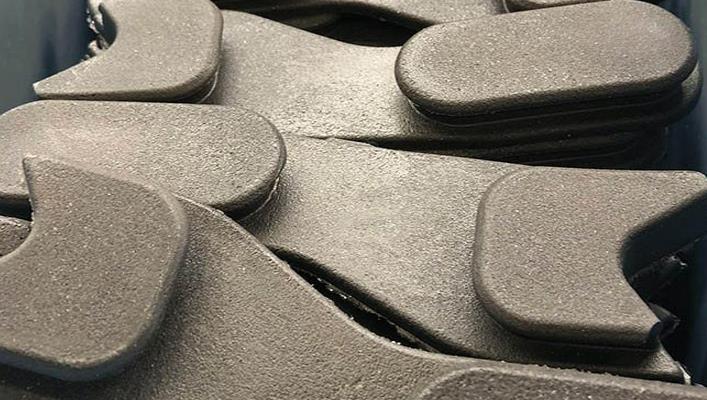
Definition and release agent types for PU carpet molding
A release agent is not a single universal product category. Its suitability depends on the polyurethane formulation, mold material, mold condition, surface finish target, spray equipment, and the next manufacturing step. In PU carpet molding, buyers may compare ready-to-use products, concentrated products requiring dilution, water-based systems, solvent-based systems, internal mold-release approaches, and external mold-release approaches. These are different procurement choices, not interchangeable names. A concentrate may reduce transport volume but requires controlled dilution at the plant. A ready-to-use product can simplify handling but may carry a different freight and storage cost profile. External application is relevant when the mold surface needs a separately applied film, while internal release is introduced through the polyurethane formulation and must be assessed with the wider material system. Ask each supplier to state exactly which type is quoted, what dilution medium is required, and whether the quote price is per concentrate unit or per ready-to-spray unit.
- Ready-to-use product: Best considered when the plant wants fewer dilution steps. It may not be the lowest-cost option when freight is a major part of the landed cost.
- Concentrated product: Best considered when the facility can measure and mix consistently. It does not fit a process without controlled dilution equipment or clear operator instructions.
- Water-based system: Requires confirmation of drying behavior, equipment compatibility, and mold conditions before approval.
- Solvent-based system: Requires plant-specific review of handling requirements, ventilation, and internal safety rules.
- Customized industrial release agent: Relevant when the standard product does not fit a particular mold, carpet construction, or operating condition. The buyer still needs to define acceptance criteria before ordering.
Operational features that affect finish quality and production cost
The release agent should be assessed as part of the molding process rather than as an isolated consumable. The feature that matters most is not a broad claim of “good release”; it is whether the product gives repeatable demolding at the plant’s actual application rate and cleaning interval. Buyers should examine film consistency, spray response, transfer risk, effect on the molded surface, compatibility with downstream bonding or coating, and residue accumulation on the mold. A product that performs acceptably on the first few cycles may still create a higher mold cleaning cost if buildup develops during continued production. This is also why quote comparisons need a defined trial method. Use the same mold area, the same spray equipment, the same application practice, and the same part-quality inspection standard for each option. Without controlled comparison conditions, a cheaper quote cannot be linked reliably to a lower manufacturing cost.
Automotive carpet programs may also involve color and finishing requirements outside the release step. Where pigment selection is part of the wider polyurethane material discussion, buyers can review PU paste & pigment options separately from mold-release selection. These categories should not be bundled into one unverified cost claim. A release product is selected for mold release and process behavior, while color paste is selected for the intended pigmentation result. Likewise, a curing-related issue should be separated from a mold-release issue unless plant evidence shows a direct connection. A clear problem definition prevents procurement teams from changing multiple variables at once and then being unable to identify the source of an improvement or defect.
Cost per 10,000 parts using a landed-cost formula
The correct comparison unit is total cost per 10,000 accepted parts, not the quoted price per kilogram, liter, drum, or container. Use the same 10,000-part production basis for every supplier quotation. This approach compares concentrate price, dilution ratio, ready-to-spray consumption, cleaning labor, and rejection losses in one worksheet. It is suited to budget approval, supplier evaluation, and internal discussions between purchasing and production. It does not replace a plant trial, because actual spray consumption and cleaning frequency must be measured under the buyer’s own conditions. The formula also has limits: if the supplier quotes a ready-to-use material, dilution is already embedded in the product price and should not be added again. If rejected parts can be fully reworked, use the verified rework cost rather than the full part value.
| Cost element | Calculation for 10,000 parts | What the buyer must collect | Why it changes the result |
|---|---|---|---|
| Concentrate landed price | Quoted concentrate price + freight + duty + import fees + handling charges | Supplier quote, Incoterm, freight estimate, customs and receiving costs | A low ex-works price may not remain low after delivered-cost items are added. |
| Dilution ratio | Ready-to-spray volume produced per unit of concentrate | Written dilution instruction and the actual mixing ratio used at the plant | Higher dilution can reduce concentrate use, but only if release performance remains acceptable. |
| Spray consumption | 10,000 × measured ready-to-spray consumption per part | Spray log, refill records, and the number of accepted parts produced | Small application differences accumulate across a production run. |
| Mold-cleaning labor | Cleaning events × labor time per event × loaded labor rate | Cleaning frequency, labor time, and the plant’s loaded labor cost | More frequent cleaning can outweigh a lower material purchase price. |
| Rejection loss | Rejected parts × verified loss per rejected part | Reject count, defect category, rework recovery, and unrecovered part value | Only defects reasonably connected to the release process should be included. |
Formula: Total cost per 10,000 parts = [landed concentrate cost per unit × (10,000 × ready-to-spray consumption per part ÷ dilution output per concentrate unit)] + cleaning labor cost + rejection loss. If dilution water, approved solvent, mixing containers, or disposal has a measurable cost, add those items separately. For a ready-to-use product, use its landed price per ready-to-spray unit multiplied by total measured consumption, then add the same cleaning and rejection elements. Build one row for each supplier and avoid mixing different units. Convert every quote to the same currency, delivery basis, unit of measure, and production quantity before deciding which offer has the lower total cost.
Quote price factors that procurement should separate
Release-agent pricing can move for reasons that have nothing to do with material performance. The quotation may differ because of packaging, concentration, requested customization, trade terms, destination, freight responsibility, order quantity, payment conditions, and whether the product is supplied ready to use or as a concentrate. A buyer should therefore request an itemized quotation rather than compare a single line price without context. Ask for the product form, packaging unit, quoted quantity, delivery term, dilution instruction, recommended application method, and the date until which the price remains valid. This fits procurement teams that need a defensible budget comparison. It does not mean that the lowest landed cost is automatically the correct choice; technical acceptance remains separate. A supplier should also be asked to identify information that has not been provided, rather than filling gaps with assumptions about mold temperature, cycle conditions, spray settings, or cleaning practice.
- Compare like with like: Do not compare a concentrate price with a ready-to-use price without converting both to the same ready-to-spray basis.
- Keep freight visible: Record whether freight, duty, insurance, and destination charges are included or excluded.
- Check the quoted scope: Confirm whether the price is for a standard product or a customized industrial release agent.
- Separate technical approval from commercial approval: A purchase price can be approved only after the required product specification and process acceptance criteria are clear.
- Document assumptions: Mark any unmeasured consumption, cleaning time, or scrap cost as an assumption rather than a verified number.
User guide for a controlled comparison trial
A useful comparison trial should be simple enough for production staff to follow and controlled enough for management to trust. Start with one mold or a defined group of similar molds, then maintain the same polyurethane formulation, operator practice, spray equipment, and quality inspection method while testing each option. Record material issued, material remaining, accepted parts, rejected parts, cleaning events, and cleaning labor time. The aim is not to prove that one product is universally better. The aim is to collect enough plant-specific information to calculate a credible cost per 10,000 parts. This method fits facilities that can run a controlled production evaluation. It does not apply when mold condition, part design, raw material formulation, or process settings are changed at the same time, because the resulting data will not show which variable caused the difference.
- Define the part, mold, production shift, and acceptable surface criteria before applying either product.
- Confirm whether the product is concentrate or ready to use, then document the exact dilution instruction where applicable.
- Measure the quantity prepared and the quantity consumed during the evaluated run.
- Log each mold-cleaning event, including labor time and the reason for cleaning.
- Classify rejected parts by defect type instead of assigning every reject to the release agent.
- Calculate total cost only from accepted parts and verified process records.
- Review the results with production, quality, and procurement before changing the approved purchasing specification.
Common mistakes when comparing a lower-priced option
The most common error is treating concentrate price as the full cost of the release process. This can lead a buyer to approve an apparently cheaper option without checking dilution output or actual spray consumption. Another mistake is using supplier-recommended consumption as if it were plant data. Recommendations can support a trial plan, but a budget decision should use measured internal records once they are available. Buyers also sometimes count the labor used to spray the product but ignore mold-cleaning labor, even though cleaning frequency can materially change the production cost. Finally, rejection losses should not be assigned automatically to the product. Review the defect with quality and production staff and identify whether it is related to application amount, mold condition, polyurethane formulation, curing, handling, or another cause. If curing behavior is part of the wider process review, Sholee Chemicals also lists curing agent products, but each product category should be qualified for its stated function.
FAQ of PU carpet release agent purchasing
Should the lowest unit price win the purchase order?
No. The lowest unit price should win only when it also produces an acceptable total cost on the same production basis. A low purchase price may be suitable when measured consumption, cleaning labor, and quality results are equivalent to the alternative. It does not apply when the price comparison uses different concentrations, inconsistent dilution ratios, or unmeasured spray rates. The buyer should calculate landed cost per ready-to-spray unit and then add production-related cost elements. This gives management a clearer approval basis than a comparison of drum prices alone. It also makes the quotation discussion more productive because the supplier can see which missing details are preventing a fair comparison.
What information should be included in an RFQ?
An effective RFQ should state the polyurethane carpet application, the product form requested, the mold substrate if known, current application method, estimated consumption records if available, expected delivery destination, desired packaging, and whether a customized option is being considered. It should also request written clarification of dilution, quote validity, delivery terms, and product documentation available for review. If the buyer has a target mold-cleaning interval or a known surface defect, include that information as an operating condition rather than presenting it as a guaranteed supplier requirement. This approach is suitable for both first-time sourcing and replacement sourcing. It is less useful when the buyer provides only a generic product name and no process context, because the supplier cannot meaningfully distinguish a standard quotation from a customized requirement.
Sholee Chemicals as a release agent supplier for quote comparison
Sholee Chemicals supplies release agent, chemical additives, color paste, and paint curing agent products, and accepts customized industrial release agent, painting, and chemical additive product requirements. For buyers evaluating PU carpet molding costs, the practical fit is a supplier discussion that starts with application details and quote scope rather than unsupported performance promises. The company brief states that there is no MOQ, which can help a buyer that needs to evaluate a requirement without being limited by a stated minimum order quantity. It also lists a 30-day term; because the brief does not define whether this applies to production, dispatch, or another stage, buyers should request written confirmation of its meaning for the proposed order. No certifications, production-capacity figures, or customer case results have been provided, so these items should be requested where they are necessary for supplier qualification. If you are sourcing a release agent for automotive PU carpet molding, contact Sholee Chemicals for a current quotation and provide your dilution, spray-consumption, cleaning, and delivery requirements.