
How to Calculate Die Casting Lubricant Cost Per Shot
Die Casting Lubricant Costs Depend on More Than the Drum Price
Die Casting Lubricant is the general term for the spray-applied compound coated onto a die cavity before molten aluminum, zinc, or magnesium is injected, forming a thin barrier so the casting releases cleanly instead of sticking to the tool steel. For purchasing teams, the harder question isn't which brand name sounds best on a quote sheet. It's whether a lower price per drum actually produces a lower cost per shot, once dilution ratio, spray volume, and scrap rate are counted together. Two suppliers can quote the same $4 per liter, and still end up $0.30 per thousand shots apart once you run the real math. This article works through that math, section by section, so a production manager or procurement team can compare quotes on equal footing before signing a trial order.
Types of Die Casting Lubricant
Not every lubricant is built for the same metal or the same cycle time, and mixing them up is a common sourcing mistake. Four types cover most die casting operations:
- Water-based lubricants — diluted anywhere from 1:20 to 1:100 with water, the standard choice for aluminum and zinc die casting because they cool the die face while releasing the part.
- Oil-based (neat) lubricants — used undiluted or near it, chosen for deep-draw or thin-wall parts where lubricity matters more than cooling, but they generate more smoke and residue at the die face.
- Semi-synthetic blends — a middle ground with lower VOC output, preferred in plants with limited ventilation or stricter emission rules.
- Plunger and pin lubricants — formulated separately from die-face lubricant, applied at the shot sleeve rather than the cavity, and often overlooked when buyers calculate total lubricant spend.
Confirming which category a quote actually covers matters before comparing drum prices. A plunger lubricant quote and a die-face lubricant quote are not interchangeable line items.
Features of Die Casting Lubricant
A lubricant that performs well on paper but breaks down at operating temperature creates more downtime than it saves. The features worth checking on a technical data sheet before trial include:
- Thermal stability across typical die surface temperatures, roughly 150°C to 250°C depending on alloy and part thickness.
- Low ash and residue buildup, which directly affects how often the die needs manual cleaning.
- Compatibility with shorter cycle times — some lubricants need longer dwell to flash off properly, which slows the press down.
- Corrosion protection on die steel during idle periods or tool changeovers.
These features interact with the chemical additives blended into the base formula, which is why a die casting lubricant quote should always come with a data sheet, not just a price per drum.
Die Casting Lubricant Application
Application differs by alloy and part geometry. Aluminum die casting typically runs lower dilution ratios than zinc because aluminum's higher injection temperature burns off lubricant film faster. Magnesium die casting needs lubricants compatible with the metal's reactivity, since standard aluminum formulations can cause surface defects. Spray pattern and nozzle distance also change the effective spray volume per shot, which feeds directly into the cost formula below. Plants that run multiple alloys on the same line often keep two lubricant SKUs rather than one universal product, because a single dilution setting rarely performs well across both.
Calculate Your Die Casting Lubricant Cost Per Shot
This is the step most quote comparisons skip. A lower concentrate price per liter can still produce a higher cost per shot if the dilution ratio is tighter or spray volume is higher. Separate what you actually know from what needs trial data before trusting any supplier's cost claim.
| Cost Factor | Status | Example Value |
|---|---|---|
| Concentrate price | Confirmed (from supplier quote) | $4.20 per liter |
| Dilution ratio | Confirmed (from technical data sheet) | 1:40 |
| Spray volume per shot | Estimated (measured during trial run) | 5 ml |
| Scrap rate change | Unknown until trial batch completed | To be measured |
| Maintenance interval change | Unknown until 2–4 week run | To be measured |
Step-by-step calculation:
- Divide concentrate price by (dilution ratio + 1) to get diluted cost per liter. Example: $4.20 ÷ 41 = $0.1024 per liter diluted.
- Convert spray volume per shot to liters. Example: 5 ml = 0.005 liters.
- Multiply diluted cost per liter by spray volume per shot. Example: $0.1024 × 0.005 = $0.000512 per shot, or roughly $0.51 per 1,000 shots.
- Run a 500–1,000 shot trial batch and record scrap rate before and after switching products.
- Subtract any reduction in scrap cost and die cleaning labor from the base lubricant cost to reach a true net cost per good part.
The first three steps give you a confirmed, repeatable number. The last two are estimates until you actually run the trial — never accept a supplier's scrap or maintenance savings claim as fact without your own batch data.
Common Mistakes When Comparing Die Casting Lubricant Quotes
- Comparing concentrate price without confirming dilution ratio — a $3.50 product diluted 1:20 can cost more per shot than a $4.20 product diluted 1:50.
- Ignoring spray volume differences caused by nozzle setup, not the lubricant itself.
- Treating a supplier's projected scrap reduction as guaranteed rather than something to verify on your own line.
- Skipping plunger lubricant cost entirely when budgeting total lubricant spend per shift.
Die Casting Lubricant User Guide
Switching lubricant mid-production without a controlled trial is where most cost comparisons fall apart. A practical rollout sequence looks like this:
- Confirm die surface temperature range before selecting a dilution ratio — don't copy settings from a different alloy or part.
- Run a spray pattern test on a scrap die to check even mist coverage before committing to a production batch.
- Start with a conservative dilution, such as 1:30, then adjust gradually while watching for release quality and surface finish.
- Track scrap rate across a 500-shot minimum batch — smaller samples don't give a reliable comparison.
- Log die cleaning frequency before and after the switch, since reduced maintenance time is often the larger savings, not the lubricant price itself.
Die Casting Lubricant Supplier
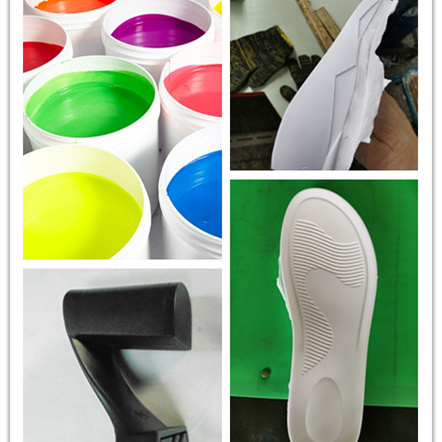
Sholee Chemicals supplies release agents, chemical additives, color paste, and paint curing agent products for industries including metal die casting, PU soles, PU car carpets, wood-based panels, and food-grade paper. We accept customized formulations with no minimum order quantity, and standard orders ship within 30 days of confirmation. For buyers who need more than one product line in a single order — a die casting release agent alongside a curing agent for coating work, or a pu paste & pigment for a separate molding line — we handle these as combined quotations rather than separate accounts. Customers producing footwear components can also review our shoe sole paint line, since several accounts source release agent and surface coating products together.
FAQ of Die Casting Lubricant
What dilution ratio should I start with for aluminum die casting?
Most water-based die casting lubricants for aluminum start between 1:30 and 1:60, but the correct ratio depends on die temperature and part wall thickness. Run a trial batch before locking in a production ratio.
Is there a minimum order quantity for a trial batch?
No. Sholee Chemicals accepts orders with no MOQ, which allows a production manager to test a formulation on a limited batch before committing to a full drum order.
How long does a standard order take to ship?
Standard production and shipping runs within 30 days of order confirmation. Custom formulations may need additional lead time depending on the specification.
Can lubricant formulations be customized for a specific alloy or part geometry?
Yes. We accept customized industrial release agent and lubricant formulations based on alloy type, die temperature range, and part geometry submitted by the buyer.
If you are sourcing a die casting lubricant supplier for a trial batch or a full production order, send us your dilution range, target alloy, and spray volume per shot — we'll put together a quotation based on your actual production numbers.