
Compare Shoe Sole Material PU Quotes
Compare Shoe Sole Material PU Quotes Before Placing an Order
Definition of PU Sole Material
shoe sole material pu refers to polyurethane based material systems used in the manufacture, finishing, coloring, and performance treatment of footwear soles. In purchasing terms, the phrase can cover more than a single chemical drum or finished sole component. A quotation may include polyurethane ingredients, pigments, processing additives, mold preparation chemicals, curing materials, or finishing products. This distinction matters because two suppliers can use similar product names while quoting different supply scopes. Procurement teams should first define whether they are buying a polyurethane sole compound, a color system, a mold release solution, or materials for sole coating and curing. The clear conclusion is that a quote cannot be compared fairly until the buyer identifies the exact material scope. This approach suits factories preparing a new footwear program or reviewing alternative suppliers. It does not apply when the buyer is only purchasing identical, fully specified stock material with matching documentation and commercial terms.
Types of PU Sole Quote Inputs
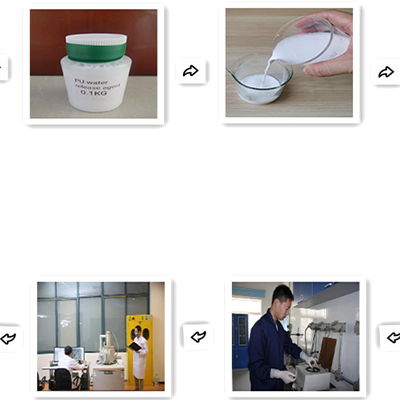
PU sole quotations commonly fall into several purchasing categories. The first category is the main polyurethane material system used to form the sole. The second is appearance related input, such as PU paste and pigment, which affects color matching, color change control, and the handling of colored production batches. The third category includes process chemicals, such as release products used before demolding and materials used in curing or coating work. The fourth category is development related cost, which may include mold work, color development, sampling, or supplier preparation. Buyers should request separate quote lines for every category rather than accepting one total figure. This is especially useful when one supplier offers a lower material figure but places more cost into tooling, color preparation, or minimum order conditions. It is less useful for repeat orders using an approved formula, established mold, and unchanged color requirement, where fewer quote variables may remain.
Features That Make a Quote Comparable
The most useful quotation is not necessarily the lowest initial total. It is the quotation that states what the price covers and what remains outside the price. For PU sole procurement, density, finished pair weight, color requirement, mold charges, delivery terms, and MOQ can each alter the effective purchasing cost. Density affects how much material is consumed for a sole design. Pair weight turns that material consumption into a per pair calculation. Color can introduce a pigment or matching requirement, while a new mold can create a one time commercial charge that should not be confused with material price. MOQ affects how widely fixed charges can be allocated. The practical conclusion is to ask every supplier for the same commercial template. This fits buyers comparing offers from several sources before negotiation. It does not mean that every supplier must use the same formula or process; it means the cost categories must be disclosed in a consistent format.
- Material scope: State whether the quote covers the main PU system, additives, pigments, curing materials, or only one of these items.
- Density basis: Ask whether the quoted material price is linked to a stated density target or whether density remains subject to production confirmation.
- Pair weight basis: Confirm whether the supplier used a drawing, a physical sample, or a buyer supplied target weight.
- Color scope: Separate standard color supply from special color matching or sole color paste requirements.
- Tooling scope: Identify whether mold fees are included, excluded, refundable, or charged separately.
- MOQ basis: Confirm whether the MOQ applies per color, per material grade, per order, or per production run.
PU Sole Material Applications and Process Fit
Polyurethane materials and related chemical products can serve several footwear production steps rather than one isolated purpose. The main material system is associated with forming a sole structure. Color materials support appearance requirements, including buyer specified shades and product line differentiation. Release chemistry supports mold preparation and demolding work, while curing chemistry can be relevant where coating, paint, or adhesive related processing requires controlled curing conditions. A buyer should therefore assess the quotation against the actual production sequence. For example, a factory producing a plain black sole may prioritize stable material consumption and mold handling, while a brand program requiring multiple seasonal colors may place more weight on color approval and batch control. The conclusion is to select the quote structure that matches the production process, not merely the purchase order title. This applies to sourcing teams that can share a sample, drawing, or process description. It does not apply when the factory has not yet finalized sole design, color standard, or molding route, because those unknowns can materially change the quoted basis.
Build a Landed Cost Model for Effective Cost Per Pair
A landed cost model should isolate confirmed costs, estimated costs, and unknown costs before a buyer decides which supplier appears more economical. Density, pair weight, color, mold fees, and MOQ should never be hidden inside a single unit price comparison. The effective cost per pair is the amount actually allocated to one finished pair after material consumption, color related charges, tooling allocation, freight related charges, and order volume are considered. The conclusion is simple: compare effective cost per pair, not only price per kilogram or price per container. This model is best for quotation review, supplier negotiation, and internal approval. It does not produce a final purchase cost if freight, import charges, packaging, scrap rate, or material yield have not been confirmed. Those items should remain clearly marked as unknown until documented.
| Cost Variable | How It Changes Cost Per Pair | Cost Status to Record | Buyer Action |
|---|---|---|---|
| PU sole density | A density change can alter material consumption for the same sole shape and volume. | Confirmed only when the supplier states the quote basis. | Request the density assumption in writing and compare like for like. |
| Pair weight | Higher finished pair weight generally requires more material input. | Estimated if based only on a drawing or early sample. | Provide a finished sample or approved weight target where available. |
| Sole color paste | Custom colors may add pigment, matching, approval, or separate batch costs. | Confirmed when the color standard and quote scope are stated. | Separate standard colors from special colors in the RFQ. |
| Mold fees | A fixed mold charge decreases per pair as order quantity increases. | Confirmed if the tooling quotation defines payment terms. | Allocate the fee across the planned order quantity, not only the first price line. |
| MOQ | A larger MOQ can force more cash into stock and spread fixed charges differently. | Confirmed only when MOQ conditions are specified by item and color. | Ask whether MOQ applies to each color, each formula, or the total order. |
| Freight and import charges | These can change the landed figure after material and tooling costs are reviewed. | Unknown until shipping terms and destination details are agreed. | Keep separate from supplier material pricing until logistics details are confirmed. |
A practical calculation can be written as: effective cost per pair equals material cost allocated to one pair, plus color related cost allocated to one pair, plus mold fee divided by planned pairs, plus confirmed logistics cost allocated to one pair. Any unconfirmed item should be shown as an estimate or an unknown rather than inserted as a firm cost. For example, if Supplier A offers a lower material figure but requires a larger MOQ and a separate mold charge, the buyer should divide that mold charge across the realistic order volume, not an optimistic future volume. If Supplier B offers a higher material figure but accepts a smaller order, its effective cost may be more suitable for sampling, color approval, or a limited launch. This comparison is useful for purchasing managers balancing cash exposure against unit cost. It does not replace technical approval, because a lower calculated cost has little value if the material does not meet the factory’s approved process requirements.
Price Factors to Challenge During Supplier Negotiation
Price movement in PU related sourcing should be discussed through identifiable variables rather than general requests for a discount. Density assumptions, finished pair weight, color complexity, mold ownership, order quantity, packing method, and shipment terms are all questions that can change the commercial result. Buyers should first challenge vague wording such as “price subject to final confirmation” by asking which variable is still open. Next, they should request a revised quote that separates material price from color, tooling, and process chemical items. If release chemistry is included, the buyer should define whether it is quoted as a recurring production input or as a trial supply. Sholee Chemicals supplies polyurethane release agent products alongside chemical additives, color paste, paint curing agent products, and related industrial chemical solutions. The right negotiation approach is to obtain a transparent cost basis before asking for commercial improvement. This suits competitive RFQs with several suppliers. It does not apply when a supplier has already provided a fully fixed contract price with all scope, volume, and delivery conditions confirmed.
User Guide for Preparing a Better RFQ
Procurement teams can reduce quote variation by issuing the same information package to every potential supplier. Start with the sole drawing or physical sample, then identify the target pair weight, expected density range if available, required color reference, estimated order quantity, and whether a new mold is needed. State whether the quotation should include only material or also color, release, curing, and finishing related products. Ask suppliers to label every item as included, excluded, estimated, or pending confirmation. If paint or coating is part of the sole program, identify the required application step and ask whether a separate curing material is needed. Sholee Chemicals also offers curing agent products for paint and glue related applications, so buyers can discuss related chemical requirements within the same sourcing review. This process fits early sourcing and supplier comparison. It does not remove the need for factory trials, sample approval, or confirmation of final production conditions.
- Define the item being quoted and separate main material from process chemicals.
- Provide the sole sample, drawing, target pair weight, and color reference.
- Ask each supplier to state its density basis and all assumptions.
- Request mold fees as a separate line rather than embedding them in material pricing.
- Confirm MOQ conditions by color, material grade, and total order where relevant.
- Build an effective cost per pair model using only confirmed figures.
- List freight, import charges, scrap allowance, and approval costs as estimates or unknowns until verified.
- Negotiate after the commercial scope is aligned across all quotations.
Common Errors in PU Quote Evaluation
The most frequent error is comparing price per kilogram without checking whether the offered material will produce the same finished pair weight and density result. Another error is treating a custom color charge as though it were part of the core material price, which makes future reorder comparisons difficult. Buyers also sometimes overlook mold fees because the charge appears on a separate quotation, then fail to allocate it across the expected production quantity. MOQ is another source of distortion: a lower unit price can require a larger stock commitment than the purchasing plan supports. The conclusion is to reject incomplete comparisons, even if the low price seems attractive. This is particularly relevant to wholesalers, brand managers, and factories buying for a new program with uncertain volume. It may be less relevant for a mature program with fixed molds, established color standards, and repeated ordering history, although the same cost categories should still be documented.
- Comparing material prices without checking density assumptions.
- Using a theoretical pair weight instead of an approved sample weight.
- Leaving color matching charges outside the quote review.
- Ignoring mold fees when calculating the first order cost.
- Assuming MOQ means the same thing across all suppliers.
- Combining confirmed freight figures with unconfirmed import costs.
- Approving a quotation before confirming whether release and curing materials are included.
Sholee Chemicals Supplier Support for Quote Review
Sholee Chemicals provides release agent, chemical additives, color paste, and paint curing agent products for industrial applications that include PU soles, PU car carpets, wood based panels, paper related applications, metal die casting, paint, and glue curing work. For buyers comparing footwear related chemical inputs, the practical benefit is the ability to discuss several relevant process categories rather than treating color, release, and curing requirements as unrelated purchasing tasks. The company information states that customized industrial release agent solutions are accepted, that there is no MOQ, and that a thirty day reference is provided in its business brief. Buyers should confirm the meaning and applicability of the thirty day reference for their own product, specification, and destination before placing an order. The company’s stated aim is to create value for customers and contribute to society. If you are comparing PU sole related chemical quotations, contact Sholee Chemicals for the latest product quote.
FAQ of PU Sole Quote Comparison
Should density be treated as a price item? Density should be treated as a cost assumption because it can affect material consumption for a sole design. It is not automatically a separate invoice line, but it should be visible in the quotation basis. Can a low MOQ always reduce purchasing cost? No. A lower MOQ can reduce inventory exposure and make sampling easier, but the effective cost per pair can still be affected by fixed mold, color, logistics, and processing charges. Should color be included in the main material price? Buyers should ask for color to be shown separately when possible, especially for custom shades, because this creates a clearer future reorder comparison. What should remain marked as unknown? Freight, import costs, final pair weight, final density, approval related requirements, and other items not supported by the supplier’s written quote should remain unknown until confirmed.