
Footwear Manufacturing Chemicals for Shoe Components
Match Footwear Manufacturing Chemicals to Each Shoe Component
Definition of Footwear Manufacturing Chemicals
Footwear Manufacturing Chemicals are production materials used to support molding, coloring, bonding, coating, curing, and surface finishing during shoe manufacture. They are not one single material category. A typical footwear project may require an industrial release agent for mold separation, polyurethane color paste for visual consistency, chemical additives for processing control, shoe sole paint for appearance, and paint curing agents for coating performance. The correct chemical depends on the shoe component, production method, substrate, finish requirement, and processing conditions. Product developers should start by defining what each chemical must do at a specific production stage. For example, a mold release material should help separate a molded part from tooling, while a curing material should support the intended coating process. Using one product category as a substitute for another can create surface defects, color variation, poor adhesion, or unnecessary rework.
Types of Materials Used in Footwear Production
Footwear factories commonly use several chemical families, each with a different role. Release agents support part removal from molds and are especially relevant where molded sole components are produced. Color paste is used when manufacturers need controlled color in polyurethane related materials or molded parts. Chemical additives may be selected to assist with processing needs in a specific formulation or manufacturing stage. Paint systems are used for sole decoration, edge treatment, visual correction, or surface design. Curing agents are selected when a paint or adhesive system requires a compatible curing stage. The practical lesson is simple: classify the requirement before asking for a quotation. State whether the project concerns outsole molding, midsole color, upper coating, adhesive bonding, painted finishing, or mold release. A clear application description gives suppliers a better basis for recommending a suitable product rather than offering a broad, unsuitable chemical category.
- Industrial release agents: Used for mold separation during molded component production.
- Polyurethane color paste: Used where polyurethane based components need a specified color.
- Chemical additives: Used to support selected production or formulation requirements.
- Shoe sole paint: Used for decorative or protective surface finishing.
- Paint curing agents: Used with compatible coating or adhesive systems that need curing support.
Features to Evaluate Before Selecting a Chemical
The best selection is not necessarily the product with the broadest description. It is the product that fits the material, process, and final quality target. Start with substrate compatibility. A chemical selected for a polyurethane sole process may not be appropriate for a textile upper or a painted rubber surface. Next, identify the production stage. A release material is selected before demolding, while a coating product is selected after a surface is prepared. Then confirm whether the factory needs a standard material or a customized industrial release agent. Sholee Chemicals accepts customized industrial release agent requirements, which can be useful when the mold process, material behavior, or finishing expectation differs from a standard production setup. Customization does not remove the need for testing. It should be evaluated on representative molds, real substrates, and the intended production sequence before a factory uses it broadly.
| Selection Point | What to Confirm | Why It Matters | When It May Not Apply |
|---|---|---|---|
| Substrate type | Identify polyurethane, coated upper material, molded part, or painted surface | Compatibility affects appearance and process performance | Not enough if the same substrate has different surface treatments |
| Production stage | Confirm molding, coloring, bonding, coating, or finishing | Each stage needs a different chemical function | Combined processes may require several materials |
| Appearance target | Specify color, gloss, coverage, or surface texture | Visual requirements influence color and paint selection | Appearance alone cannot confirm adhesion or curing suitability |
| Customization need | Share mold and application conditions | Supports a more relevant release agent discussion | Testing remains necessary before production approval |
Map Chemical Families to Each Shoe Component
Product developers should map chemical families to shoe components before they issue an RFQ or release a material specification. This avoids a common mistake: selecting by product name instead of by production function. The table below gives an executable starting point for outsole, midsole, upper, adhesive, coating, and finishing applications. It does not replace material trials because the actual substrate, mold condition, paint system, and production method still control the final result. Use the table to prepare a clear supplier inquiry, then validate the selected material through a controlled factory sample. For each application, record the substrate, application method, visual target, curing sequence if applicable, and any defects observed during the trial.
| Shoe Component or Stage | Relevant Chemical Family | Selection Checkpoint | Common Failure Reason |
|---|---|---|---|
| Outsole | Industrial release agents, shoe sole paint | Confirm mold release needs and final painted appearance | Using a release material that affects later paint application |
| Midsole | Polyurethane color paste, chemical additives | Confirm color target and process compatibility | Color variation caused by uncontrolled material or process changes |
| Upper | Paint systems, paint curing agents | Confirm upper substrate and desired finish | Applying a coating without checking surface compatibility |
| Adhesive stage | Paint curing agents, chemical additives | Confirm the adhesive or coating system requirements | Assuming one curing material suits every bonding system |
| Coating | Shoe sole paint, paint curing agents | Confirm color, coverage, and curing process | Insufficient trial work before production use |
| Finishing | Release agents, paint systems, chemical additives | Check whether finishing follows molding or coating | Cross contamination between molding and finishing stages |

Footwear Chemical Applications and Process Checks
Each chemical should be selected through a controlled sequence rather than a quick visual comparison. First, identify the exact shoe component and its base material. Second, define the intended function, such as mold release, color addition, surface paint, or curing support. Third, provide the supplier with the application method and expected production order. Fourth, run a sample under conditions that reflect actual manufacturing rather than an isolated laboratory check. Fifth, inspect the result at the correct stage. A molded part may look acceptable immediately after removal but show a finishing issue later if release residue affects the next operation. A colored component may look correct during mixing but differ after processing if the project does not control the full formulation and production conditions. This approach fits new product development and material substitution projects. It may be less relevant when a factory is repeating an already approved process with unchanged materials, molds, and finishing steps.
- List every component that requires chemical support.
- Define the substrate and the manufacturing operation for each component.
- Match the operation to release, color, additive, paint, or curing product families.
- Ask for product information based on the real application, not only the product category.
- Conduct a controlled sample and record visible defects or process concerns.
- Approve the material only after the complete component process is reviewed.
Price Factors for Footwear Chemical Projects
Pricing for Footwear Manufacturing Chemicals can vary because the requested material, application requirement, packaging expectation, customization need, and order arrangement may differ between projects. Buyers should avoid comparing quotations only by unit price. A lower initial figure may not be the better choice if it does not fit the mold process, color requirement, coating system, or production sequence. Ask suppliers to separate the product category, requested application, customization request, packaging, and commercial terms in the quotation. This creates a more useful comparison between offers. Sholee Chemicals states that it has no MOQ, which may suit development teams that need to begin with a trial quantity rather than commit immediately to a larger purchase. However, no MOQ should not be treated as a substitute for a technical sample review. Buyers still need to confirm that the selected material is suitable for the intended process before scaling up.
| Price Influence | Buyer Action | Decision Benefit |
|---|---|---|
| Product category | State whether the request is for release, color, paint, additive, or curing material | Reduces quotation ambiguity |
| Customization request | Describe the mold, substrate, and application condition | Helps assess whether a customized option is needed |
| Trial quantity | Request a quantity suitable for controlled testing | Supports early validation without assuming a large order |
| Project timing | Discuss the stated 30 day planning reference during the inquiry | Helps align material planning with project scheduling |
User Guide for Release Color Paint and Curing Materials
Factory technicians should keep each chemical family within its intended production stage and maintain clear records during sampling. For release applications, confirm the mold area, demolding requirement, and any later painting or bonding operation that may be affected by surface condition. For color paste applications, document the target shade, base material, and process conditions used in the test. For shoe sole paint, confirm the substrate preparation, visual standard, and inspection method before treating appearance as approved. For paint curing agents, confirm that the curing material is being reviewed with the corresponding coating or adhesive system rather than as an isolated product. Common mistakes include changing multiple variables during one test, skipping a complete process check, using an unclean sample surface, and judging a coating before the planned curing stage is complete. These controls are especially useful for development projects. They may be simplified only when a factory has an established and unchanged internal process record.
- Do not use a mold release material as a general surface treatment.
- Do not approve color based only on a small visual sample.
- Do not assume a paint system fits every sole or upper material.
- Do not assess curing materials without the related coating or adhesive system.
- Do not change substrate, process, and chemical selection in one uncontrolled trial.
- Do not move from development sample to production without documented approval criteria.
Sholee Chemicals Supplier Support for Footwear Projects
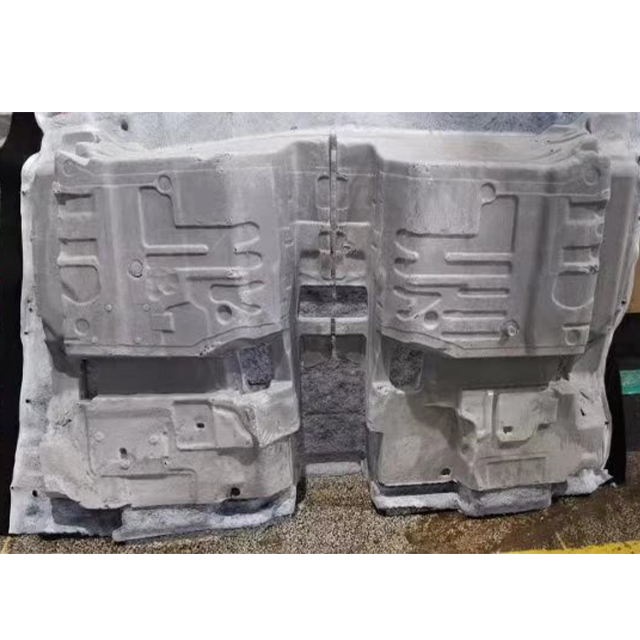
As a supplier of Footwear Manufacturing Chemicals, Sholee Chemicals provides release agent, chemical additives, color paste, shoe sole paint, and paint curing agent products for industrial applications. Its application coverage includes PU soles, PU car carpets, wood based panels, paper for food related use, metal die casting, and paint and glue curing agent products. For footwear development, the relevant benefit is access to product categories that can be discussed according to component function rather than treated as a single generic chemical purchase. Buyers considering mold release requirements can review the available industrial release agents. Teams working on color development can assess polyurethane color paste, while finishing teams can review shoe sole paint and paint curing agents. A useful inquiry should include the shoe component, base material, process stage, expected finish, and whether customization is required.
FAQ of Footwear Chemical Selection
Can one chemical be used across every shoe component?
No. Outsoles, midsoles, uppers, adhesive stages, and finishing operations have different substrates and production purposes. A material intended for mold release should not automatically be selected for coating or bonding work. Start with the component and manufacturing step, then identify the relevant chemical family.
When should a factory request a customized release agent?
A customized option should be discussed when the standard product category does not fully address the mold condition, substrate behavior, or finishing sequence of the project. The factory should provide a clear description of the production process and validate the proposed material through a representative sample trial.
Does no MOQ remove the need for testing?
No. No MOQ can help a buyer begin with a development quantity, but technical testing remains necessary. The sample should be checked through the full relevant process, including molding, painting, bonding, curing, or finishing where applicable.
What information should be included in a quotation request?
Include the shoe component, substrate, chemical function, application method, visual target, customization requirement, and project timing. If you are seeking a supplier for footwear chemical products, contact Sholee Chemicals for the latest product quotation and selection advice.