
Footwear Demoulding Solution Guide With Supplier Questions
Choosing a Reliable Footwear Demoulding Solution Starts With the Right Supplier Questions
Footwear Demoulding Solution refers to the release agents and supporting chemical additives used in PU sole, EVA, and rubber sole production to separate cured material from the mold cleanly, without tearing edges or leaving residue. Buyers who skip supplier vetting on this product often regret it later — a batch that passes lab testing but fails on the production line means downtime, rejected soles, and a mold that needs stripping and re-coating mid-shift. Before you send an RFQ, you need clarity on sample approval, batch consistency, and what happens if a shipment underperforms. This article walks through the product types, real cost drivers, and a direct checklist you can use to qualify any supplier, including us.
Types of Footwear Demoulding Solutions
Demoulding chemistries split mainly by carrier and by mold contact time. Solvent-based release agents dry fast, work well on complex PU sole molds with fine tread patterns, but require ventilation during application. Water-based agents cost less to handle and store, and suit factories under tighter environmental rules, though they usually need a longer flash-off time before injection. Wax-emulsion types build up on the mold over repeated cycles, which some die casting and wood-based panel lines actually prefer for extended runs, but they need periodic mold cleaning to prevent buildup lines on the sole surface. Silicone-free formulations matter specifically for PU car carpets and any part that will later be painted or bonded, since silicone residue blocks adhesion. Choosing the wrong type for your mold geometry is the single most common reason factories complain about sticking or surface pitting.
Features of a Dependable Release Agent
A workable footwear demoulding solution should release cleanly after 15 to 30 seconds of dwell time without a second coat, leave no visible film on the sole surface, and not interfere with later bonding or painting steps. Viscosity needs to stay stable across a full shift — agents that thicken as they sit in the spray gun cause uneven coverage by the afternoon. Odor level matters more than most spec sheets admit, since workers spraying molds all day are sensitive to solvent strength. Compatibility with your specific PU formulation is not optional — a release agent tuned for one polyol system can leave chalky marks on another. If your production also involves color work, pairing the release agent with a compatible pu paste & pigment system avoids color shift on the finished sole.
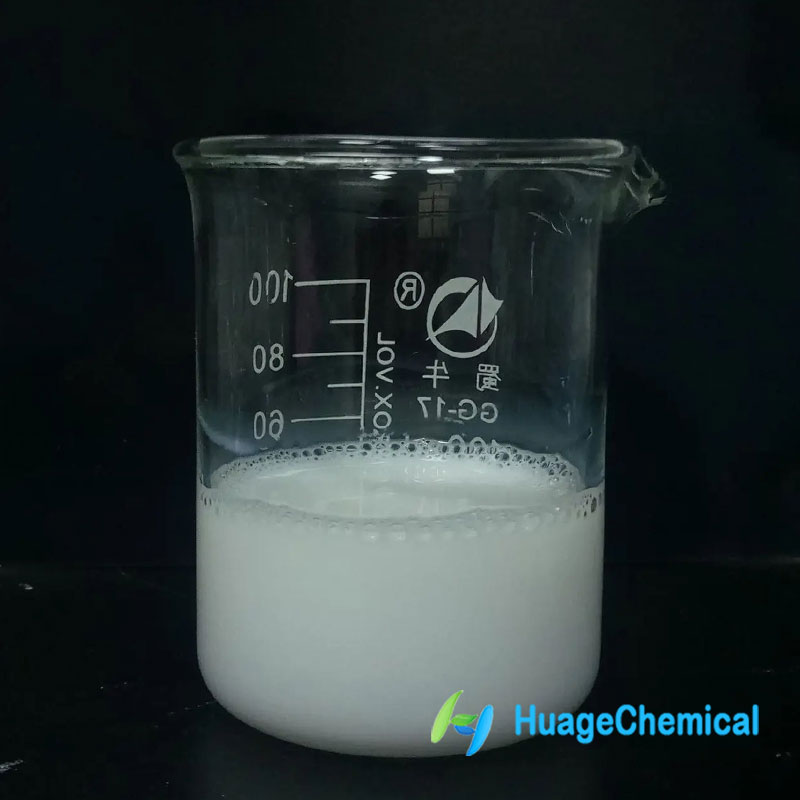
Footwear Demoulding Solution Application
Application differs by product line, and mismatching the agent to the process is where most quality complaints originate. For PU shoe soles, the agent is typically sprayed onto the open mold before each injection cycle, with coverage checked every 50 to 100 cycles to catch drift in spray pressure. For PU car carpets, thicker mats need more even coverage across a larger surface, so factories often switch to a slightly heavier viscosity to avoid pooling in low points of the mold. Wood-based panel presses use release agents at much higher temperatures, so thermal stability above 150°C becomes the deciding factor rather than dwell time. Metal die casting applications need an agent that also offers some corrosion protection on the die surface between shifts, since idle time between runs can rust bare tool steel. Paper contact applications, including food-grade paper, require additives cleared for indirect food contact, which narrows the supplier pool considerably.
Footwear Demoulding Solution Price
Price per liter or per kilogram moves with four main factors: base chemistry, packaging size, customization, and order volume. Solvent-based agents generally sit lower per unit than silicone-free specialty blends, since the additive package for adhesion-safe release is more involved. Drum packaging (200L) brings a lower unit price than pail or small-container orders, but ties up more storage space and cash upfront. Customized formulations — matched to a specific polyol system or mold texture — carry a development cost that gets absorbed into the first order, then normalizes on repeat purchases. Volume also matters less than buyers expect at the entry level: since we work with no minimum order quantity, a trial batch does not require the same commitment as a full container, which lets you test performance on your actual mold before scaling up.
| Price Driver | Impact on Cost | Who It Affects Most |
|---|---|---|
| Base chemistry (solvent vs water vs silicone-free) | Medium to high | PU sole and PU carpet lines |
| Packaging size (drum vs pail) | Medium | High-volume factories |
| Custom formulation development | High on first order only | Buyers with unusual mold geometry |
| Order volume | Low, since no MOQ applies | New buyers running trials |
Footwear Demoulding Solution User Guide
Correct use starts before the spray gun ever touches the mold. Clean the mold surface fully between formulation changes — leftover residue from a previous agent is the top cause of inconsistent release on a new batch. Shake or stir water-based and wax-emulsion products before each shift, since settling changes the active concentration at the bottom of the drum. Apply in thin, even passes rather than one heavy coat; over-application is what leaves the sticky film buyers usually blame on the chemistry itself. Test a new batch on 20 to 30 shoes before running a full shift, checking for edge tearing, surface dullness, or slow release times. If you are also curing paint or glue on the same line, coordinate agent choice with your curing agent supplier, since some release chemistries slow down cure time on adjacent stations.
Supplier Verification Checklist Before You Place an Order
This is the section most buyers skip, and it is the one that prevents the worst surprises. Below are direct questions to put to any release agent or additive supplier — including us — before committing to a production order.
- Will you approve a sample before production runs? Yes, sample approval on your own mold is the only reliable way to confirm release performance; lab data alone does not replicate your specific polyol system or mold texture.
- Can you provide technical data sheets and safety data sheets? A supplier should hand these over before you ask twice. If a TDS is vague on dwell time, viscosity, or shelf life, treat that as a warning sign, not a formality.
- How consistent is batch to batch quality? Ask for two consecutive batch reports on the same formulation. Consistency matters more for high-volume PU sole lines than for low-volume specialty runs, where minor variance is easier to absorb.
- What is your minimum order quantity? We do not enforce an MOQ, which means a trial order does not require a full container commitment. Not every supplier works this way, so confirm it directly rather than assuming.
- What is your typical lead time? Thirty days is a realistic production window for most standard and lightly customized orders. Rush timelines are sometimes possible but should be confirmed in writing, not assumed from a sales conversation.
- What after-sales support do you offer if a batch underperforms on the line? Ask specifically what happens if release performance drops mid-shift — whether reformulation, replacement, or technical troubleshooting is available, and within what timeframe.
Honest boundaries matter here too. No supplier, including us, can guarantee zero variance across every mold geometry and polyol system without a sample run first. Any supplier claiming otherwise is overselling.
Footwear Demoulding Solution Supplier
Sholee Chemicals supplies release agents, chemical additives, color paste, and paint curing agents to footwear, automotive interior, wood-based panel, and metal die casting manufacturers. We accept customized industrial release agent formulations and do not require a minimum order quantity, which lets new buyers run a proper trial before scaling into full production. Standard lead time runs around 30 days from order confirmation. If your production also involves painted soles, our shoe sole paint line is formulated to work alongside our release agents without adhesion conflicts, which matters when release chemistry and coating chemistry are sourced separately and end up incompatible on the shop floor.
FAQ of Footwear Demoulding Solution
Does a silicone-free release agent cost more than a standard one?
Usually yes, by a moderate margin, because the additive package needed to prevent adhesion problems downstream is more involved. It is worth the difference if your soles get painted or bonded afterward.
Can one release agent work across PU soles, car carpets, and wood panels?
Not reliably. Dwell time, temperature, and surface finish requirements differ enough between these applications that a formulation tuned for one will underperform on another without adjustment.
How long does a typical order take to arrive?
Around 30 days for standard and lightly customized formulations, from confirmed order to shipment. Fully custom developments may take longer depending on testing rounds.
Is a sample enough to judge batch consistency for the full order?
A sample confirms initial performance but not long-run consistency. Ask for a second batch report or a small repeat order before committing to full volume.
If you are sourcing a footwear demoulding solution for PU soles, PU carpets, or a related molding line, send us your mold specifications and current pain points, and we will recommend a formulation and arrange a sample for your own testing.