
Footwear Demoulding Solution Cost per Pair
Footwear Demoulding Solution for Lower Cost per Pair
Definition of Footwear Demoulding Agents
Footwear Demoulding Solution refers to a release agent system applied to footwear moulds so that a formed PU sole, component, or related moulded part can be removed without excessive sticking, tearing, surface marking, or mould contamination. Buyers should treat it as an operating-cost material rather than simply a low-price chemical purchase. The drum price matters, but it does not show how much agent is consumed per pair, how often the mould needs cleaning, or whether poor release creates scrap. A suitable mould release agent should be selected according to the mould material, mould temperature, PU formulation, spraying method, release frequency, and required surface appearance. The practical sourcing question is not which product has the lowest unit price. It is which option produces the lowest controlled cost per acceptable pair under your actual production conditions.
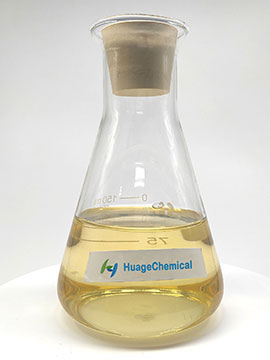
Types of Release Agent Used for Footwear Moulds
Footwear producers may compare several release-agent categories during purchasing and trial planning. A ready-to-use product can simplify handling because it does not require on-site dilution, while a concentrated product may reduce freight and storage volume if the dilution procedure is controlled. A water based release agent may suit plants seeking a system compatible with their current housekeeping and process requirements, but compatibility must still be checked against the PU system and mould condition. Solvent-containing options may have different application behavior, so buyers should request handling and safety documentation before approval. A semi-permanent system may be considered where repeated release performance is required, while a more frequently applied material may fit short production runs or changing mould programs. The conclusion is simple: compare like for like. A lower-priced concentrate is not automatically less expensive if it needs more spray volume, causes release inconsistency, or increases cleaning time.
| Option to Compare | Potential Purchasing Benefit | Operational Check Required | When It May Not Fit |
|---|---|---|---|
| Ready to use release agent | Simple preparation and fewer dilution steps | Confirm spray coverage and consumption per pair | May not be preferred where freight volume is a major concern |
| Concentrated release agent | Can reduce shipped liquid volume | Confirm dilution ratio, water quality, and mixing control | Not suitable where operators cannot maintain consistent dilution |
| Water based release agent | May suit selected plant handling requirements | Test drying behavior, release quality, and mould deposits | Do not approve without PU and mould compatibility trials |
| Semi permanent release agent | May reduce application frequency in suitable processes | Check actual release cycles and cleaning procedure | Not suitable if the mould surface or process changes frequently |
Features That Affect Release Performance and Process Cost
The best purchasing specification focuses on measurable production controls rather than broad product descriptions. Ask each supplier how the product should be applied, whether dilution is required, what mould preparation is needed, and what cleaning method is recommended. Then test these points on the same mould family and the same PU formulation. The key features to observe are release consistency, surface transfer, spray coverage, drying behavior, residue formation, and compatibility with later painting or bonding operations. If soles will receive a coating, test the release system alongside the intended shoe sole paint process. A release agent that performs well during demoulding can still create a downstream issue if residue affects coating adhesion. The right choice is the product that supports the full production route, not only the moment when the sole leaves the mould.
- Choose controlled coverage: Use a defined spray pattern and fixed application method because inconsistent coverage can distort consumption records. This fits plants comparing suppliers. It does not replace product-specific trial instructions.
- Check mould deposits: Record whether residue appears during the trial because cleaning downtime can outweigh a small material-price difference. This is especially relevant for high-repeat mould programs. It may be less significant for short runs with frequent tool changes.
- Check downstream finishing: Test painting, bonding, or other finishing after demoulding. This matters when a sole requires surface treatment. It does not apply where no downstream coating or bonding step exists.
- Use the same trial conditions: Keep operators, mould condition, PU material, and production settings consistent. This gives a fair comparison. It cannot identify long-term effects from a very short trial alone.
Applications Across Footwear and Related PU Production
Demoulding agents are used where moulded parts must release cleanly while production teams maintain surface quality and predictable cycle control. In footwear manufacturing, the primary application is PU sole production, including operations where sole appearance and later finishing must be reviewed together. Related PU production can include car carpet components and other moulded PU parts when the relevant release system has been verified for the substrate and process. Buyers should not assume that one material is interchangeable across all moulding programs. Mould geometry, material formulation, mould maintenance practices, and finishing requirements can change the result. For example, a sole release agent selected for a plain moulded sole may need additional evaluation for a detailed mould texture or a part that will be painted. The conclusion is to build approval by application family. Grouping trials by actual mould and finish requirements produces more useful purchasing data than relying on a general sample result.

Calculate Cost per Pair Before Selecting a Supplier
A purchasing comparison should use a per-pair formula that includes dilution, spray volume, defect scrap, and mould-cleaning downtime. This is the most useful way to identify a false economy. A drum with a lower invoice price may have a higher cost per acceptable pair if it requires heavier spraying, produces more rejected soles, or makes mould cleaning more frequent. Conversely, a product with a higher purchase price may be commercially reasonable if controlled trials show lower consumption and fewer interruptions. Do not enter assumed figures as confirmed facts. Separate supplier-confirmed price and dilution information from plant estimates of spray use, scrap, labor, and downtime. This method fits a sourcing budget, a supplier comparison, or a production trial. It does not predict the final cost until the product is tested under your own moulding conditions.
| Cost Element | Per Pair Calculation | Evidence Status | How to Collect It |
|---|---|---|---|
| Release agent material | Purchase price per litre divided by usable litres after dilution, multiplied by spray volume per pair | Price is supplier confirmed after quotation; use rate is trial estimated until measured | Record received price, dilution ratio, and measured consumption |
| Dilution cost | Water, mixing labor, and handling cost divided by pairs produced | Usually estimated from plant records | Track mixing time, water use, and batch size |
| Defect scrap cost | Rejected pairs linked to release issues multiplied by internal scrap value, divided by total pairs | Estimated until defect coding is checked | Separate sticking, surface marks, tearing, and other defects |
| Mould cleaning downtime | Cleaning labor plus lost production value divided by pairs produced between cleaning events | Estimated unless downtime logs exist | Log each cleaning event and the reason for it |
| Total demoulding cost | Material cost plus dilution cost plus defect scrap cost plus mould cleaning downtime cost | Calculated result based on confirmed and estimated inputs | Use the same assumptions for every supplier trial |
Worked Cost Comparison Structure
Use a simple worksheet for each candidate product. First, enter the supplier’s quoted product price as a confirmed cost. Second, enter the supplier’s stated dilution instruction as confirmed information only if it appears in the product documentation. Third, measure actual spray volume over a controlled number of pairs rather than estimating from operator impressions. Fourth, record rejected pairs and classify defects that are plausibly related to demoulding. Fifth, log mould cleaning intervals, cleaning labor, and production interruption time. The conclusion should be based on total cost per accepted pair, not total cost per pair produced. This approach fits side-by-side trials of competing products. It does not support a fair comparison when different moulds, different operators, or different PU formulations are used without documentation.
Price Factors That Change a Release Agent Budget
The quoted price of a footwear release agent can vary because the supplied form, order volume, packaging, custom requirements, delivery terms, and requested technical support may differ. Buyers should ask whether the quotation is for a ready-to-use product or a concentrate, because these are not directly comparable by container price. Request the unit basis clearly, such as price per kilogram, litre, or package, then convert the quotation into the same operating unit before comparing offers. Sholee Chemicals accepts customized industrial release agent requirements, so buyers can provide details about mould type, PU process, application method, and desired finish when requesting a quotation. The conclusion is to request a trial-oriented commercial offer rather than a generic price list. This fits plants building a sourcing budget. It does not remove the need to confirm freight, taxes, local handling, and any other costs that are not included in the supplier quote.
- Confirmed quotation items: Product description, packaging, quoted unit price, currency, trade terms, and stated payment conditions when included in the supplier offer.
- Estimated plant items: Spray consumption, mixing labor, defect scrap, cleaning labor, and lost production time until measured in a controlled trial.
- Unknown items to clarify: Freight charges, import duties, local transport, storage controls, and the commercial effect of a customized formulation request.
User Guide for Controlled Product Trials
A structured trial protects both the purchasing team and the production team from approving a product on incomplete evidence. Start by selecting one mould family and documenting its condition before the trial. Clean it according to the plant’s normal procedure, then define the operator, spray equipment, application distance, and production conditions that will remain unchanged. Apply the candidate product according to its documented instructions. Record the dilution method if dilution is required, and do not allow operators to change the mix informally during the comparison. Inspect released parts for sticking, surface transfer, distortion, and marks. Continue logging material use, accepted pairs, rejected pairs, and cleaning events. The conclusion is to approve only after the operating-cost worksheet and quality observations point in the same direction. This process suits purchasing trials. It may need expansion where a product must also pass customer-specific finishing or compliance requirements.
- Define the mould, PU material, expected surface finish, and downstream process.
- Request product documentation and confirm whether the supplied material requires dilution.
- Clean and inspect the selected mould before applying the trial product.
- Keep spray equipment, operator practice, and production settings consistent.
- Measure product use and record accepted pairs, defects, and mould-cleaning events.
- Repeat the same recordkeeping method for each competing option.
- Compare total cost per accepted pair before issuing a purchasing approval.
Sholee Chemicals as a Footwear Release Agent Supplier
Sholee Chemicals supplies release agent products, chemical additives, color paste, and paint curing agent products for industrial applications. The company brief identifies PU soles and PU car carpets among its application areas, alongside wood-based panels, paper for food applications, metal die casting, and paint and glue curing agent products. For footwear-related sourcing, buyers can discuss customized industrial release agent requirements rather than treating every moulding program as identical. Sholee Chemicals also states that there is no MOQ, which can be useful when a purchasing team needs to begin with a controlled evaluation quantity instead of committing to a large initial order. Where sole coloration is part of the production plan, buyers can also review PU paste pigment options. For coating or adhesive process discussions, the available curing agent products category may also be relevant.
FAQ of Footwear Release Agent Purchasing
Should buyers select the lowest quoted drum price?
No. The lowest quoted price should only be treated as one input. Compare the price against usable volume after dilution, actual spray volume, defect scrap, and mould-cleaning downtime. This is suitable for any buyer comparing competing offers. It does not mean that a higher-price product is automatically better; the trial record must support the decision.
What information should be included in an RFQ?
Include the mould type, PU material, current release method, application equipment, expected surface finish, approximate production pattern, and whether painting or bonding follows demoulding. Ask for product form, dilution guidance, packaging, quotation basis, and documentation. This gives suppliers enough context to respond properly. It does not replace an on-site production trial.
Can a customized release agent be requested without a large first order?
Sholee Chemicals states that it accepts customized industrial release agent requirements and has no MOQ. Buyers should still confirm the available sample, packaging, quotation, and delivery arrangements for their specific request. No MOQ does not mean that every custom request has the same commercial conditions, so the quotation should define the details clearly.
If you are seeking a footwear release agent supplier, contact Sholee Chemicals for a current quotation and trial selection advice.