
Food Packaging Chemical Migration Prevention Guide
Food Packaging Chemical Migration Prevention Guide
Food Packaging Chemical refers to any chemical substance associated with packaging materials, coatings, inks, adhesives, processing aids, or surface treatments that could transfer from the package into food. The practical question for quality teams is not whether every substance can migrate, but whether the finished package releases substances at a level that is unsuitable for its intended food, storage condition, or heating process. Migration depends on the total packaging system rather than one raw material alone. A coating may be suitable in one structure but fail when it contacts fatty food, faces higher heat, remains in contact for a longer period, or develops weak spots in its barrier layer. Quality teams should therefore define the food type, expected contact condition, package construction, and process history before treating a failed migration result as a supplier issue.
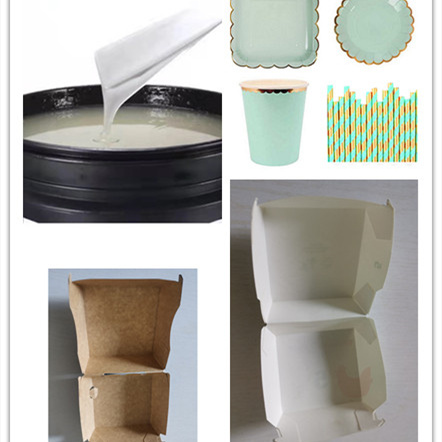
Types of Migration Control Methods
Migration control can be divided into formulation control, barrier control, process control, and verification control. Formulation control focuses on selecting materials that suit the intended food contact conditions. Barrier control focuses on preventing transfer through the package structure. Process control addresses risks created during printing, coating, lamination, curing, storage, and conversion. Verification control uses migration testing and documentation to confirm that the package performs as expected. These methods should work together. Choosing a lower migration ingredient will not solve a problem caused by incomplete curing or damaged barrier layers. Likewise, a good barrier cannot fully protect a package if contamination is transferred onto the food contact side during production. The best approach is to identify which control type matches the actual failure mechanism rather than changing multiple materials without evidence.
| Control method | Main purpose | Best fit | Limit |
|---|---|---|---|
| Formulation control | Reduce substances available to transfer | New package development and raw material approval | Cannot correct barrier damage or poor processing |
| Barrier control | Restrict transfer through package layers | Multilayer films, coated papers, and laminated structures | Fails if pinholes, cracks, or edge exposure occur |
| Process control | Prevent contamination and incomplete curing | Printing, coating, lamination, and converting operations | Requires stable work instructions and inspection |
| Verification control | Confirm performance under intended conditions | Qualification, failure investigation, and change control | Test selection must match actual food use |
Features That Reduce Migration Risk
The most useful packaging features are not marketing claims. They are measurable design and process characteristics that limit chemical transfer. A suitable package has a clearly defined food contact side, controlled material selection, a continuous barrier where one is required, and a curing process that is appropriate for the coating, ink, adhesive, or treatment used. It should also have traceable production records so that a failed result can be linked to a batch, process condition, or material change. These features fit packaging development projects where the food type and end use are already known. They do not replace legal review, test method selection, or confirmation of local food contact requirements. When the intended use is uncertain, teams should avoid assuming that a successful result for dry food will apply to oily food, hot filling, reheating, or long storage.
- Defined contact surface: Separate food contact layers from printed, coated, or treated outer layers where the package design allows.
- Controlled curing: Confirm that curing conditions match the product supplier’s technical guidance before releasing production.
- Continuous barrier layer: Check seals, folds, edges, pinholes, scratches, and converted areas where barrier continuity may change.
- Material change control: Review substitutions in coatings, inks, adhesives, additives, and processing materials before use.
- Use based testing: Select testing conditions that reflect the food, time, temperature, and package orientation expected in service.
Food Packaging Applications Need Different Controls
Dry food packaging, fatty food packaging, frozen packaging, heated packaging, and paper based food packaging can face different migration pathways. Dry foods may have lower extraction potential than foods containing oil or fat, while heated products may increase chemical mobility and accelerate transfer. Paper and board structures can also need attention at cut edges, coated surfaces, glued areas, and printed reverse sides. Metal containers and die cast production tools require separate review because surface treatments or processing residues may affect downstream packaging components. For packaging plants that also use industrial coatings or release materials in other operations, clear segregation is essential. Sholee Chemicals supplies products for release agent, chemical additives, color paste, and paint curing agent applications, but a product used in another industrial process should not be assumed suitable for food contact use without documented evaluation for that exact application.
Packaging teams should map each material according to its location and possible pathway to food. For example, an outer print layer may still matter if set off occurs during winding, stacking, transport, or storage. A release material may matter if it contacts a package surface that later becomes the food contact side. A coating may matter if it is exposed through cracks or poorly formed seams. Where operations also purchase materials for polyurethane parts, color work, or industrial finishing, product identification and storage separation reduce mix up risk. Sholee Chemicals also provides PU paste pigment and shoe sole paint for industrial applications. These products should be managed under their stated industrial use conditions, not transferred into food packaging specifications without a formal technical review.
Migration Test Costs Depend on Scope and Failure Risk
Migration testing cost is not a single fixed purchase price because the required work depends on the package structure, food category, test conditions, number of materials, and investigation depth. A simple screening exercise may cost less than a broad failure investigation, but a low initial test scope can create higher cost later if it does not reflect the real package use. Buyers should request quotations that distinguish sample preparation, analytical testing, repeat testing, reporting, and any additional review needed after a nonconforming result. This approach fits procurement teams comparing laboratories, converters, and material suppliers. It does not mean that the lowest quotation is unsuitable. It means the scope must be checked against the actual risk. A quote that excludes the relevant food simulant, heat condition, or package orientation may not answer the question that matters.
| Cost factor | Why it affects price | Buyer action |
|---|---|---|
| Package complexity | More layers and components may require separate assessment | Provide a complete material structure and layer description |
| Food category | Dry, aqueous, acidic, and fatty foods can require different test conditions | State the intended food type before requesting a quote |
| Heat exposure | Heating can change test selection and sample handling | Disclose filling, reheating, and storage conditions |
| Failure investigation | Root cause work may include comparison samples and process records | Keep retained samples and production details available |
| Documentation needs | Technical files and supplier declarations require review time | Specify the documents required by your customer or market |
How Controlling Heat Exposure Contact Time Fatty Food Use and Barrier Integrity Prevents Elevated Migration Results
When a migration test result is elevated, investigate the exposure conditions before changing the whole formulation. Start with heat exposure because heat can increase mobility within coatings, adhesives, inks, and polymer layers. Then review contact time because longer contact gives transferable substances more opportunity to move into food or a test medium. Next, assess fatty food use because fats can extract certain substances more strongly than dry or water based foods. Finally, inspect barrier integrity because a theoretically suitable structure may lose protection at seams, folds, scratches, pinholes, cut edges, or poorly bonded areas. This diagnosis order suits both development testing and a confirmed failure. It does not replace a laboratory assessment, but it prevents teams from making unsupported changes based only on the test result number.
| Check order | What to review first | Symptom or finding | What it may indicate | Immediate action |
|---|---|---|---|---|
| Heat exposure | Filling, heating, reheating, and storage temperature records | Failure appears only after heated use | Heat may be increasing transfer or exposing incomplete cure | Compare samples made under controlled curing and intended heat conditions |
| Contact time | Expected shelf life and test contact duration | Higher result after extended contact | Time dependent transfer through the package structure | Confirm that the test condition matches the real intended storage period |
| Fatty food use | Actual food composition and selected simulant | Failure occurs with oily or fatty products only | Higher extraction potential from fatty food contact | Review material suitability specifically for fatty food packaging |
| Barrier integrity | Seals, edges, folds, printed areas, and converted surfaces | Inconsistent result between samples | Local barrier defects or contamination variation | Inspect retained samples and compare defect free areas with suspect areas |
The order matters because each finding changes the next question. If heat is not part of the intended use, a heat related test condition may not represent the package application. If the package is designed for dry food only, a fatty food result may point to an incorrect product classification or an intended use change rather than a universal failure. If barrier inspection finds damage, changing an adhesive or coating without correcting conversion quality may waste time and material. Keep untreated controls, finished package samples, retained production samples, and process records separate during investigation. This gives the technical team a basis for comparing raw material risk, process variation, and package damage.
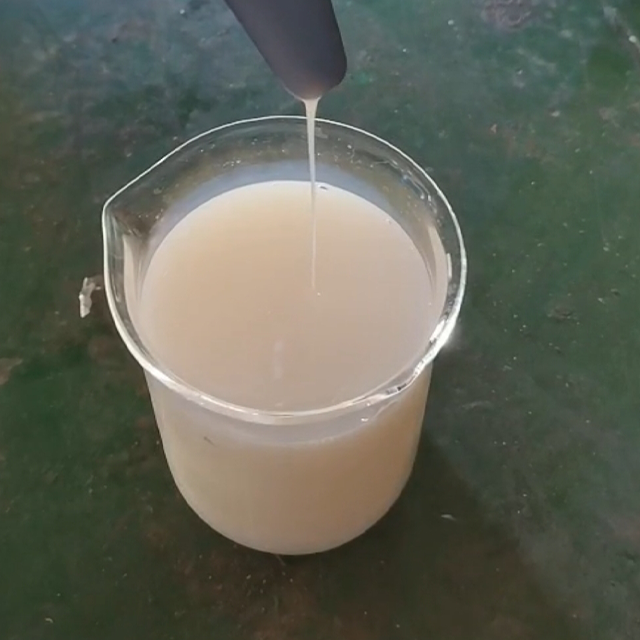
Food Packaging Chemical User Guide for Development Teams
Use a controlled sequence from product concept to final package approval. First, define the food and the expected contact conditions in writing. Second, create a layer by layer package map that identifies the food contact surface, barrier layer, printed areas, adhesives, coatings, and possible processing residues. Third, request technical information from each material source and identify use limitations before pilot production. Fourth, set production controls for curing, coating application, handling, winding, stacking, and storage. Fifth, inspect finished samples for visible barrier defects and possible set off. Sixth, select migration testing that represents the intended application. This sequence is useful before commercial launch and after any material or process change. It is not sufficient if records are missing, samples are not representative, or the final package use remains undefined.
- Define the food type and expected storage or heating condition.
- List every layer and identify which side can contact food.
- Review inks, coatings, adhesives, additives, and processing materials.
- Confirm curing and conversion instructions before production release.
- Inspect seals, folds, cut edges, and barrier surfaces.
- Retain reference samples from each production batch.
- Use test conditions that match the intended package use.
- Document any change before approving it for production.
Food Packaging Chemical Supplier Selection
A supplier review should focus on accurate product identification, application fit, technical communication, and change control rather than broad claims. Ask whether the supplier can clearly state the intended industrial application of each product, provide relevant technical information, and support discussion of processing conditions. For projects involving processing aids or surface treatments, buyers should also ask where the material enters the production line and whether it can contact a surface that later contacts food. Sholee Chemicals supplies release agents, chemical additives, color paste, and paint curing agent products for industrial applications including polyurethane soles, polyurethane car carpets, wood based panels, paper, metal die casting, paint, and glue curing. The company also accepts customized industrial release agent requirements. These facts support an application focused discussion, but they do not by themselves establish food contact suitability for a specific packaging structure.
Sholee Chemicals states that it operates with no MOQ, which can help development teams source material for evaluation without assuming that a large production commitment is required. The company information also lists a thirty day reference, but buyers should confirm what that period covers for the requested product, customization, documentation, and destination before placing an order. For industrial projects requiring associated curing materials, the company offers curing agent products. Procurement teams should submit the actual application, material contact pathway, packaging structure, and required documents so that product discussions remain tied to the correct use case.
FAQ of Food Packaging Chemical Migration Control
Can a package pass for dry food and fail for fatty food?
Yes. A package that performs acceptably with dry food may not produce the same result with fatty food because fatty substances can have greater extraction potential for certain transferable materials. The correct response is not to assume that one result invalidates every use of the package. First confirm the intended food category. Then check whether the migration test method, simulant, contact period, and temperature reflect that category. If the package will be used for oily snacks, cheese, meat products, sauces, or another fatty product, evaluate the structure for that use rather than relying on dry food data. If the package is strictly limited to dry food, document the intended use clearly and control against use outside that specification.
Does a barrier layer remove the need for migration testing?
No. A barrier can reduce transfer, but its performance depends on continuous coverage and correct conversion. Pinholes, damaged surfaces, exposed cut edges, weak seals, poor lamination, and set off can create pathways that a barrier design did not intend. Testing is still needed to confirm the finished package under its expected use conditions. During development, inspect the barrier before testing so that a result can be interpreted properly. If the result is elevated and the barrier has visible damage, repair the process issue before making broad raw material changes. If the barrier is intact but the result remains elevated, review heat, contact time, fatty food exposure, curing, and possible material transfer from other layers.
What records should a quality team keep after a migration failure?
Keep the laboratory report, sample identification, package construction details, raw material batch information, process records, curing records where applicable, retained samples, photographs of package defects, and notes on actual intended food use. These records help separate a formulation issue from a process issue. They also make retesting more useful because the technical team can compare like with like rather than using unknown samples. Retain both conforming and nonconforming samples when possible. A passing sample can reveal whether the difference is linked to a changed coating batch, a curing variation, barrier damage, storage condition, or sample handling. Without records, teams may repeat the same test without resolving the original cause.
Sholee Chemicals is an industrial chemical supplier offering release agents, chemical additives, color paste, paint curing agent products, and customized industrial release agent options. If you are looking for a suitable supplier for your packaging process review or related industrial chemical requirements, contact Sholee Chemicals for the latest product quotation and technical selection advice.
===