What Is PU Paint? Resin, Hardener and Cure Explained
What Is PU Paint and How Its Resin Hardener and Cure Work
PU Paint Definition and Core Chemistry
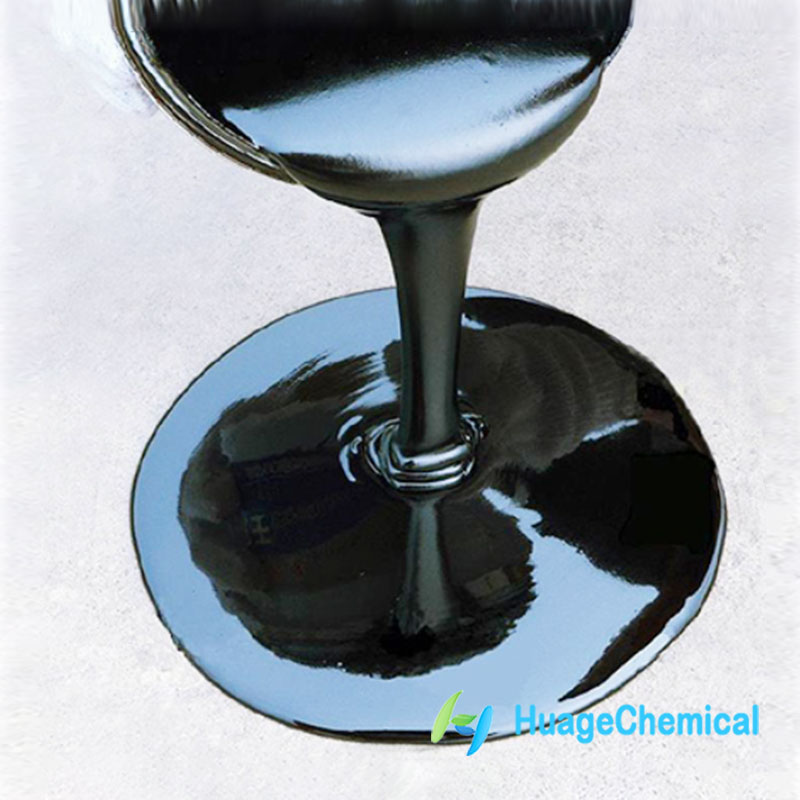
What is PU paint, and why does the same resin cure to a hard, glossy film in one workshop but stay tacky in another? The answer sits in its chemistry. PU paint, short for polyurethane paint, is a coating in which a hydroxyl-bearing resin (the polyol component) reacts with an isocyanate hardener to form urethane bonds. Those bonds link the molecules into a cross-linked network. The network is the protective film: it resists abrasion, chemicals, and flexing far better than a film that only dries by solvent evaporation.
Definition in one line: PU paint is a reactive coating whose final performance depends on resin type, hardener choice, mixing accuracy, and curing conditions. Change any one of the four and the film changes. That is why production teams, not just paint formulators, need to understand the reaction.
Types of PU Paint
PU paints are usually grouped by how they are packaged and what carries the resin. The right type depends on the substrate, the ventilation in your plant, and local emission rules. Each type below has limits, so match it to your line before you specify it.
| Type | How it cures | Best fit | Limit |
|---|---|---|---|
| Solvent based two component | Resin reacts with isocyanate hardener as solvent leaves | Furniture, wood based panels, metal parts needing hardness | Needs ventilation and a controlled pot life |
| Waterborne two component | Water carries the resin, hardener reacts during film formation | Sites with strict emission limits | More sensitive to humidity, temperature, and mixing |
| One component moisture cure | Reacts with moisture in the air | Simple jobs with no mixing step | Slower, with less control over film properties |
| Flexible PU for soles | Elastic resin with a matched hardener | Footwear parts that bend repeatedly, see our shoe sole paint | Lower hardness than rigid furniture grades |
Features of PU Paint
Buyers choose PU paint when the finished surface must survive handling, cleaning, or flexing. The cross-linked film gives good abrasion resistance, chemical resistance, and a smooth appearance with controllable gloss. Flexible grades stay intact on bending parts, and rigid grades give a hard surface on panels and metal.
The trade-offs are real. Isocyanate hardeners are moisture reactive, so containers must stay sealed, and mixed paint has a limited pot life. Operators need suitable protective equipment. If your line cannot hold stable temperature and humidity, a simpler coating may give fewer rejects than a high-spec two component system.
How Resin, Isocyanate Hardener, Solvent or Water, and Curing Conditions Build the Protective Film
Each of the four inputs controls a different part of the final film. Use the table as a checkpoint list, then follow the steps below it.
| Input | What it does | Checkpoint | Common failure |
|---|---|---|---|
| Resin (polyol) | Sets flexibility, hardness, adhesion, and gloss potential | Resin type matches the substrate and bending demand | Rigid resin on a flexing part, leading to cracking |
| Isocyanate hardener | Reacts with resin hydroxyl groups to build cross links | Correct hardener grade and the ratio on the data sheet | Wrong ratio, leaving a soft, sticky, or brittle film |
| Solvent or water | Adjusts viscosity and leveling, then leaves the film | Thinner suits the system, spray viscosity is stable | Wrong thinner or water in a solvent system, causing bubbles, haze, or gelling |
| Curing conditions | Control reaction speed and the final network | Temperature, humidity, and cure time stay within the supplier range | Cold or damp rooms slow the cure, and stacking too early marks the surface |
Step by step procedure
- Confirm the substrate and demand. Rigid panel, metal, or flexing sole? This decides the resin. Failure here cannot be fixed later by process changes.
- Check the ratio. Weigh resin and hardener by the technical data sheet. Measuring by eye is the most frequent cause of soft or brittle films.
- Mix thoroughly and respect pot life. The reaction starts at mixing. Paint left past its pot life thickens and sprays poorly.
- Adjust viscosity with the approved thinner or water. Add only what the supplier specifies. Excess thinner can cause runs and a weak film.
- Apply an even coat. Thick spots trap solvent and give pinholes. Thin spots lose coverage and protection.
- Flash off, then cure under stable conditions. Hold temperature and humidity steady. Do not stack or pack parts until the film passes a hardness and tack check.
If a film stays tacky, check the ratio first, then humidity and temperature. If it blisters, check moisture contamination in the hardener or the substrate. If it cracks on flexing parts, review the resin choice. Working through the list in this order saves time.
PU Paint Application
PU paint is applied wherever a hard-wearing or flexible protective surface is needed. In our product field, related applications include PU soles, PU car carpets, wood based panels, food paper, and metal die casting. Paint and glue curing agent products also rely on the same hardener chemistry.
Scenario example: a footwear factory coats PU soles that flex with every step. It needs a flexible resin, a matched hardener, and a color paste that disperses evenly. A rigid furniture grade would crack. A furniture plant coating wood based panels makes the opposite choice, trading flexibility for surface hardness. In both cases, a PU paste & pigment that is compatible with the resin keeps the color consistent from batch to batch.

PU Paint Price
PU paint prices move for reasons you can check and control. We do not quote a single market figure here, because a number without your specification would mislead. The following factors shape the quotation:
- Resin type and quality. Flexible or specialty resins usually cost more than general grades.
- Hardener grade. Different isocyanate hardeners have different cost and performance profiles.
- Solvent or water system. Waterborne systems may change both raw material cost and process needs.
- Color and additives. Custom color paste and functional additives add cost.
- Order volume and packaging. Pack size and delivery location affect the final price.
- Rework cost. A cheaper paint that causes rejects can cost more per good part.
Compare suppliers by cost per finished part, not by price per kilogram. Send your substrate, target film properties, and expected volume so the quote is based on your real use.
PU Paint User Guide
Good results come from a few disciplined habits on the shop floor. Use this checklist before each production run:
- Store resin and hardener in sealed containers, away from moisture.
- Prepare the surface so it is clean, dry, and free of oil.
- If parts come out of a mold, check for residue from a release agent, which can cause fisheyes and poor adhesion if not removed or matched to the coating.
- Test a small batch whenever resin, hardener, or color changes.
- Record mixing ratio, batch number, temperature, and humidity for traceability.
Common mistakes
- Mixing by volume when the data sheet specifies weight.
- Reusing paint beyond its pot life.
- Leaving hardener containers open between shifts.
- Skipping a trial when switching to a new substrate.
- Packing coated parts before the film has cured enough.
These limits apply to all two component systems. Always follow the data sheet for your specific product.
PU Paint Supplier
Sholee Chemicals is a supplier of release agent, chemical additives, color paste, and paint curing agent products. We also accept customized industrial release agent, painting, and chemical additive products. Our application areas include PU soles, PU car carpets, wood based panels, food paper, metal die casting, and paint and glue curing agent products.
For buyers, two points from our brief matter in planning: we work with no MOQ, and our stated delivery time is 30 days. Confirm exact timing against your specification when you request a quote. Our aim is to create value for customers and contribute to society, which in practice means helping your team match the chemistry to your line before you commit to volume.
FAQ of PU Paint
Why does PU paint need a hardener?
The hardener supplies the isocyanate groups that react with the resin. Without it, the resin would not cross link and the film would stay soft and weak.
Can I change the mixing ratio to speed up curing?
No. An off ratio usually leaves unreacted resin or hardener, which causes a sticky, brittle, or discolored film. Adjust temperature or cure time within the supplier range instead.
Is waterborne PU paint the same as solvent based?
The reaction is similar, but waterborne systems are more sensitive to humidity and mixing, and they need different thinning. Check compatibility before switching.
What causes bubbles or pinholes?
Common causes are moisture contamination, coats applied too thick, wrong thinner, or too little flash off time before curing. Check these in that order.
How do I choose the right curing agent?
Start from the substrate, flexibility demand, and cure conditions, then ask your supplier for the matching grade and ratio. Our curing agent range is a starting point for that discussion.
If you are looking for a PU paint curing agent, color paste, or release agent supplier, contact Sholee Chemicals with your substrate and application details, and we will send selection advice and the latest quotation.