
Polyurethane Sole Shoes: Single vs Dual Density Explained
Polyurethane Sole Shoes Explained Through Single and Dual Density Construction Choices
Polyurethane sole shoes are footwear built with a cast or molded PU outsole or midsole instead of rubber, EVA, or TPU. The material is formed by reacting polyol and isocyanate inside a mold, which lets manufacturers control hardness, weight, and flex zones with more precision than traditional cut-and-glue soling. Buyers sourcing work boots, safety shoes, or injection-molded casual footwear often reach a fork in the road early in development: should the sole be a single foam density, or split into two densities for separate comfort and stability zones? That decision affects tooling cost, production speed, and how the finished shoe performs on a factory floor or a warehouse shift.
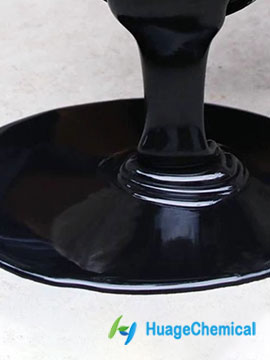
Types of PU Sole Construction
There are three common construction types used across the footwear industry today. Single-density PU soles use one foam formulation across the entire outsole, giving uniform cushioning and a simpler mold. Dual-density soles combine a softer inner layer against the foot with a firmer, more abrasion-resistant outer layer, typically poured in two shots within the same mold. A third variant, direct-injection PU-on-PU, bonds a PU midsole directly to a PU or rubber outsole for added durability in heavy-duty boots. Each type uses different release agent dosing and curing schedules, which is why formulation support matters as much as the mold design itself.
Single Density vs Dual Density PU Soles Compared
Choosing between constructions comes down to four practical factors: how cushioning is distributed, how stable the shoe feels under load, how complex the mold and injection process becomes, and which footwear category the sole is destined for. The table below lays out these differences plainly, based on standard PU soling practice.
| Factor | Single Density | Dual Density |
|---|---|---|
| Cushioning zones | One uniform zone, same softness heel to toe | Soft core under the foot, firmer rim or outer shell |
| Stability | Adequate for light duty, less lateral support | Higher lateral stability, better for uneven terrain |
| Molding complexity | Single-shot pour, simpler tooling and faster cycle | Two-shot pour, needs precise timing and release control |
| Suitable footwear types | Casual shoes, light indoor work shoes | Safety boots, outdoor work shoes, orthopedic footwear |
In practice, single-density soles suit shoes worn for short shifts on flat, indoor surfaces, where tooling cost and lead time matter more than advanced cushioning. Dual-density soles make sense when a factory needs certified safety footwear, or when the end user stands for eight to twelve hours on concrete or gravel. The limit to dual-density is cost: it requires a two-cavity mold and a slightly longer cycle time, so it rarely pays off on low-margin casual lines under a certain order volume.
Features of PU Sole Shoes
PU soles are lighter than rubber of the same thickness, often by 30 to 40 percent, which reduces fatigue on long shifts. They resist oil, grease, and many solvents better than EVA, making them a common choice in metal die casting plants and automotive workshops. PU also has good abrasion resistance and recovers its shape after repeated compression, unlike some foams that pack down permanently within months. One tradeoff worth flagging: PU is more sensitive to UV exposure and can yellow or harden over years outdoors, so formulation additives and proper curing matter for long service life. This is where a stable curing agent plays a direct role in how long the sole keeps its flex and bounce.
Applications of PU Sole Shoes
Polyurethane soles show up across several industries beyond standard footwear. In addition to shoe soles, PU molding compounds get used in PU car carpets, wood-based panel bonding, and food-contact paper coatings — all areas where consistent release and curing behavior is essential. For footwear specifically, PU sole shoes are common in industrial safety boots, hospital and food-service non-slip shoes, and outdoor work boots where oil resistance and light weight both matter. Casual sneaker brands also use single-density PU midsoles for a softer step-in feel at a lower unit cost than dual-density tooling allows.
Polyurethane Sole Shoes Price Factors
Pricing for PU sole shoes swings on a handful of variables, and buyers should ask suppliers to break these down rather than accept one flat quote:
- Density type — dual-density soles typically run 15 to 25 percent higher per pair than single-density, due to mold complexity and cycle time.
- Chemical formulation — polyol and isocyanate blends with added abrasion or oil-resistance additives cost more than base formulations.
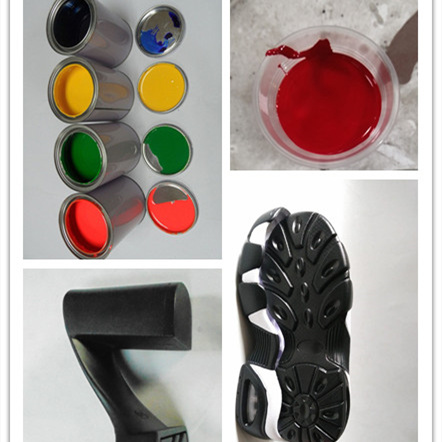
- Color and finish — custom shades require color paste dosing and extra quality checks, adding a small per-unit premium.
- Order volume — tooling cost gets amortized over larger runs, so small trial batches carry a higher effective unit price.
- Release agent and curing agent choice — lower-grade agents cause more rework and rejects, which raises real cost even if the agent itself is cheaper.
A buyer ordering a 500-pair sample run should expect a higher per-pair cost than a 10,000-pair production order, mainly because tooling and setup time are fixed costs spread across fewer units.
PU Sole Manufacturing and Quality Tips
Getting consistent PU sole shoes out of a mold depends on process discipline as much as formulation. Follow this sequence to reduce reject rates:
- Pre-heat the mold to the manufacturer's recommended range before the first pour of each shift.
- Apply a thin, even coat of release agent — too much causes surface defects, too little causes sticking and tearing on demolding.
- Mix polyol and isocyanate at the ratio specified for the target density; dual-density runs need two separate mixing heads timed to the mold's shot sequence.
- Pour the soft layer first for dual-density soles, allow partial gel, then pour the firmer outer layer before full cure sets in.
- Control curing temperature and time closely — under-curing leaves soles soft and prone to compression set; over-curing can make them brittle.
- Inspect for color consistency if using pu paste & pigment dosing, since uneven pigment dispersion shows up as streaking on light colors.
Common mistakes we see in PU sole production include reusing release agent past its recommended shelf life, skipping mold temperature checks between shifts, and applying sole paint before the PU has fully outgassed, which traps bubbles under the finish. Applying shoe sole paint too early is one of the more frequent causes of adhesion failure reported by footwear factories.
Buyer Decision Checklist
- Will the shoe be worn for long shifts on hard or uneven surfaces? If yes, lean toward dual-density.
- Is this a trial order under 1,000 pairs? Single-density keeps tooling cost manageable for testing.
- Does the end use involve oil, grease, or chemical exposure, as in die casting or auto shops? Confirm the PU formulation includes oil-resistance additives.
- Do you need a custom color match? Ask the supplier about color paste options before mold design is locked in.
- Has the supplier specified release agent and curing agent compatibility with your mold material? Mismatches cause avoidable rejects.
Sholee Chemicals as a PU Sole Chemical Supplier
Sholee Chemicals supplies release agents, chemical additives, color paste, and paint curing agents used in PU sole shoe production, along with related chemistry for PU car carpets, wood-based panels, food-contact paper, and metal die casting. We accept customized formulation requests with no minimum order quantity, and typical turnaround on standard orders is 30 days. For factories testing a new sole design or switching suppliers, that no-MOQ policy makes it practical to trial a formulation on a short run before committing to full production volumes. Our aim stays simple: support footwear manufacturers with dependable chemistry so their molding lines run with fewer defects and less downtime.
FAQ About Polyurethane Sole Shoes
Are dual-density soles always better than single-density?
No. Dual-density offers better stability and zone-specific cushioning, but it costs more and takes longer to mold. For light indoor shoes or short-run casual lines, single-density is often the more practical choice.
How long do PU soles last compared to rubber?
PU soles generally resist abrasion and compression set well for the first few years of regular use, but they are more sensitive to prolonged UV exposure than rubber, which can cause surface hardening over time outdoors.
Can PU sole formulations be customized for oil resistance?
Yes. Additive packages can be adjusted to improve resistance to oils and solvents, which is common for safety footwear used in workshops or die casting environments.
What causes sole color inconsistency in production?
Uneven pigment dispersion during mixing is the usual cause. Using a properly dosed color paste and consistent mixing time helps keep batches matching across a production run.
Is there a minimum order to try a new PU sole formulation?
Sholee Chemicals does not require a minimum order quantity, so smaller trial batches are possible before scaling to full production.
If you are comparing single- and dual-density PU sole options for an upcoming footwear order, reach out to our technical team for formulation guidance or a current quote on release agents, color paste, and curing agents.