
Paper Release Agent HG-1802# Cost per 10,000 m²
Paper Release Agent HG-1802# Cost per 10,000 m² of Release Paper
Paper Release Agent HG-1802# is a release-treatment material considered by coated-paper buyers who need to control how a surface separates from an adhesive, coating, laminate, or other contacting layer. For purchasing managers, the quoted price per kilogram is only a starting point. The usable cost depends on how much material reaches the paper, how much product is added during dilution, how much solids remain after drying, and how much is lost during coating, cleaning, trim, or rejected paper. A low unit price can produce a higher treatment cost if wet coating weight or waste rises. Conversely, a higher quote may be acceptable when the coated output is controlled. Before issuing a purchase order, buyers should convert each supplier quote into a common cost per 10,000 m² and confirm which assumptions are included. This gives procurement, production, and quality teams one comparable number rather than several incomplete price offers.
Types of Release Treatment Data Buyers Need to Separate
Release-paper cost calculations usually fail because the purchasing team compares unlike product formats as if they were identical. One quote may cover a ready-to-coat mixture, another may cover a concentrated release agent, and another may state a price without clarifying whether it is based on delivered material, active solids, or a diluted working solution. The practical conclusion is simple: compare products only after identifying the quoted material basis. This approach fits any buyer reviewing HG-1802 quotations from more than one source. It does not apply when all suppliers have already confirmed identical concentration, coating conditions, and acceptance criteria in writing. For a concentrated product, the dilution ratio matters because it changes the wet volume handled on the coating line. For a ready-to-coat material, dilution may be limited or unnecessary. For a product quoted by dry-solids basis, the solids percentage becomes a direct part of the cost comparison. Ask each supplier to state the quote basis, recommended working concentration, solids information, and intended coating method before calculating annual budgets.
| Quote basis | What the buyer should request | Why it affects cost comparison |
|---|---|---|
| Concentrated material | Product price, dilution proportion, solids data, and wet coating target | One kilogram may create more working mixture, but final use still depends on coating loss and dry add-on. |
| Ready-to-coat material | Product price, delivered concentration, and permitted adjustment range | The quoted price may be easier to use, but the buyer still needs actual wet application weight. |
| Dry-solids basis | Solids fraction, target dry add-on, and price basis | This can support technical comparison, but it must be matched to the coating line’s real transfer efficiency. |
| Trial or pre-order quantity | Pack size, shipping basis, and test acceptance criteria | Small evaluation quantities can have a different landed cost from regular production supply. |
Features That Affect Usable Coated-Paper Output
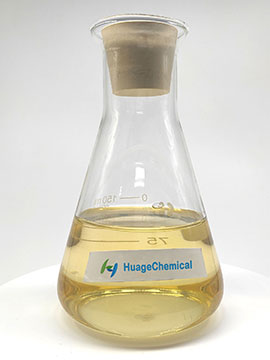
The most useful feature data are not promotional descriptions. They are the figures and operating conditions that change consumption on the paper machine or coating line. For release treatment, buyers should focus on wet coating weight, working-solution concentration, product solids, transfer efficiency, and waste. Wet coating weight determines how much liquid is applied per square metre. The concentration of product in the working mixture determines how much quoted material is contained in that liquid. Solids data help production teams check whether the resulting dry treatment level matches the required surface function. Transfer efficiency accounts for material that remains in pans, hoses, rollers, filters, or other equipment rather than reaching acceptable paper. Waste accounts for rejected coating, start-up losses, cleanout residue, and similar losses. The right conclusion is to request these inputs before treating any unit quote as a final cost. This method suits planned production and supplier comparison. It does not replace plant trials, because paper grade, coating equipment, drying conditions, and downstream adhesive or laminate requirements must still be confirmed by the buyer.
Release Paper Applications and Cross-Department Requirements
Release-treated paper may be selected where controlled separation is required between a paper substrate and a contacting material. For a buyer, the application should be defined beyond the broad term “release paper.” State the paper grade, coating side, downstream material, coating method, drying conditions, required release behavior, and any food-contact requirement that may apply to the finished paper system. Sholee Chemicals lists paper for food among its application areas, but buyers should not treat that statement as automatic approval for a specific end use. The correct action is to provide the intended application and request relevant product information for review. This is especially relevant when the release paper will contact adhesives, labels, laminates, packaging layers, or other materials with their own process conditions. A release treatment that performs acceptably on one paper grade may not give the same result on another substrate or under a different coating weight. Procurement should therefore involve production and quality teams before comparing price alone, because a lower purchase cost does not compensate for coating rejection or downstream release issues.
Cost A Consumption Based Formula That Converts Coating Weight Dilution Solids and Waste into Cost per 10,000 m²
The decision-useful calculation is cost per 10,000 m², not cost per kilogram. Use the same formula for every supplier quotation, then change only the verified operating inputs. Let A equal 10,000 m². Let W equal wet coating weight in kilograms per square metre. Let D equal the mass fraction of quoted product in the ready-to-coat working mixture. Let E equal transfer efficiency expressed as a fraction. Let L equal waste expressed as a fraction. Let P equal the quoted product price per kilogram. The product consumption is calculated as A × W × D ÷ E ÷ (1 − L). The treatment cost is then product consumption × P. Solids do not need to be added again to the purchase-cost equation when W and D are already known, but solids are needed as a control check. Let S equal the solids fraction of the quoted product. The estimated dry-solids add-on is W × D × S. Compare that result with the technical dry-add-on target agreed by the production team. This formula fits quote comparison when inputs are measured or supplied in a documented form. It does not apply if the supplier price is already quoted per square metre or if the quoted material is not the product actually added to the coating mixture.
| Calculation input | Formula use | Buyer check |
|---|---|---|
| Area A | Set at 10,000 m² for a common comparison basis | Use the same area for every quote. |
| Wet coating weight W | Multiplies total working-mixture consumption | Use a measured or planned line value, not a guess. |
| Dilution fraction D | Converts working-mixture use into quoted-product use | Confirm whether the ratio is by mass and whether added water or other components are included. |
| Solids fraction S | Checks expected dry add-on through W × D × S | Do not use a competitor’s solids claim as HG-1802 product data. |
| Transfer efficiency E | Adjusts for material that does not reach acceptable paper | Use actual line history where available. |
| Waste fraction L | Adjusts for start-up, cleanout, trim, and rejected coating | Define which losses are included to avoid double counting. |
| Quoted price P | Converts consumed kilograms into treatment cost | Confirm currency, delivery terms, packaging, and whether freight is included. |
How to Build a Comparable Cost Sheet Before Ordering
Build one worksheet with a separate column for each supplier quote and require each column to use the same units. First, enter the quoted price per kilogram and identify whether it refers to concentrate, ready-to-coat material, or another basis. Second, enter the planned wet coating weight from production records or the operating target. Third, enter the product fraction in the working mixture using the confirmed dilution ratio. Fourth, add transfer efficiency and waste as separate values; do not hide them inside the coating weight. Fifth, calculate product kilograms required for 10,000 m² and multiply by the quoted price. Sixth, calculate dry-solids add-on and compare it with the coating target. This process is useful for pre-order budget planning and quote review. It is not a substitute for checking landed cost. Freight, duties, taxes, packaging deposits, currency exposure, and payment terms may affect the purchasing budget but are outside the consumption formula unless they are added separately. The same sheet should clearly label every assumption so production and procurement can revise it after a trial or line adjustment.
- Confirm the quote unit and currency.
- Record the actual or planned wet coating weight.
- Convert the dilution instruction into a product mass fraction.
- Enter transfer efficiency and waste as separate factors.
- Calculate product kilograms required for 10,000 m².
- Multiply by the quoted product price.
- Use solids data to check dry add-on against the technical target.
- Add freight and other agreed landed-cost items in a separate line.
Price Factors That Change the HG-1802 Budget
A purchase price can move for reasons unrelated to coating consumption, so buyers should separate product cost from commercial terms. The best conclusion is to ask for a quote that identifies product price, currency, packaging, delivery basis, payment terms, validity period, and any additional logistics charges. This is appropriate when comparing suppliers or preparing an internal approval request. It does not apply as a final landed-cost forecast until shipment details and destination requirements are known. Sholee Chemicals states that there is no MOQ, which can help buyers whose evaluation quantity or initial production requirement is smaller than a standard bulk purchase. However, no MOQ does not mean every order has the same freight cost, packing arrangement, or availability condition. The company brief also states “30 days,” but it does not define whether this refers to lead time, payment, quotation validity, or another commercial term. Buyers should confirm its exact meaning in the RFQ rather than treat it as a delivery commitment. Clear commercial questions reduce the risk of comparing a low ex-works figure against an all-inclusive competing offer.
- Product basis: Confirm whether the price is for concentrated product, working mixture, or dry-solids equivalent.
- Coating consumption: Use the same wet coating weight and dilution assumption for each supplier.
- Waste allowance: Include start-up and cleanout loss only once.
- Freight and packaging: Request these as separate quote lines where possible.
- Acceptance standard: Agree how coating performance will be evaluated before regular purchasing.
- Commercial timing: Clarify what the stated 30 days means for the proposed order.
User Guide for Pre-Order Coating Cost Control
Use a controlled sequence before approving a release-treatment order. Start by defining the paper specification and downstream release requirement. Next, ask the supplier for the product information needed to establish the quote basis, dilution instruction, solids information, and intended application scope. Then have the coating team provide a planned wet coating weight and identify normal process losses from its own records. Calculate the material requirement for 10,000 m², check the dry-solids add-on, and place each quote into the same comparison sheet. During any evaluation run, record actual product charged, coated area accepted, rejected area, line stoppage, and material remaining in equipment after cleanout. These records allow the estimated cost to be replaced with a real consumption figure. This procedure suits buyers who need an auditable budget and production planners who need to explain cost changes. It does not guarantee downstream performance, because release behavior must still be assessed under the buyer’s paper, adhesive, laminate, drying, and storage conditions. If the release paper project is part of a wider coating program, related product categories such as curing agent and PU paste and pigment should be evaluated as separate systems rather than included in the release-treatment calculation.
Common Mistakes When Comparing Release Treatment Quotes
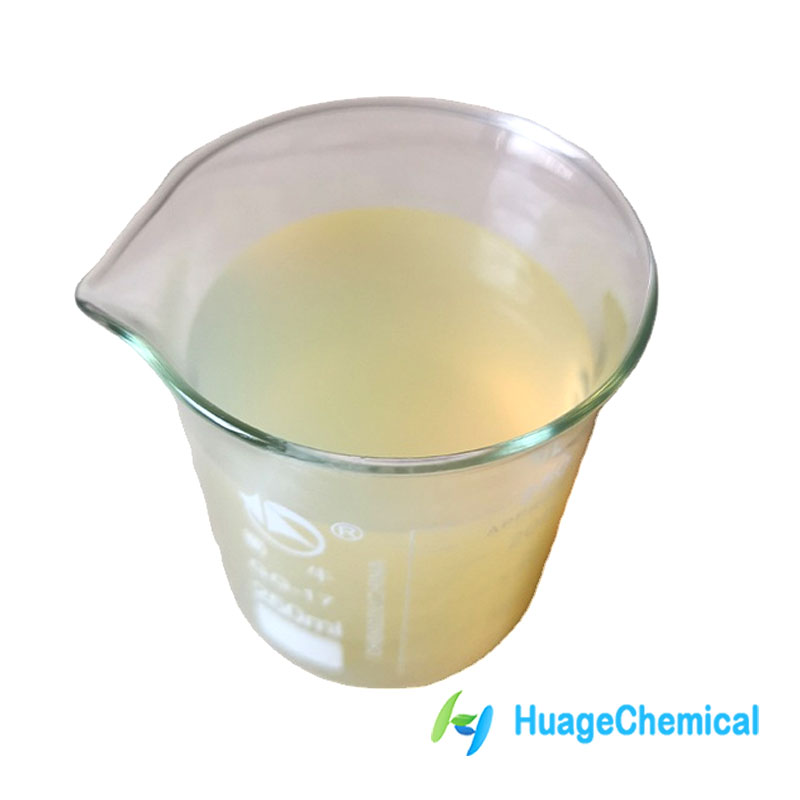
The most common error is comparing price per kilogram while leaving wet coating weight unknown. A second error is applying a dilution ratio without identifying whether it is calculated by weight or volume. A third error is using solids information as if it automatically proves equal release performance; solids help estimate dry add-on, but they do not establish suitability on a particular paper and downstream material. A fourth error is combining transfer loss and waste into one unexplained percentage, making later troubleshooting difficult. A fifth error is treating a supplier’s stated application area as proof that the finished paper meets every customer or regulatory requirement. Avoid these errors by documenting each input, retaining the supplier quotation, and agreeing how performance will be assessed. This disciplined method is most useful when multiple departments share responsibility for sourcing and production. It is less relevant for a simple repeat order where all coating settings, commercial conditions, and acceptance requirements are already confirmed and unchanged.
Sholee Chemicals Supplier Fit and RFQ Requirements
Sholee Chemicals supplies release agents and also offers chemical additives, color paste, and paint curing agent products. The stated offering includes customized industrial release agent, painting, and chemical additive products, which may suit buyers who need to discuss a specific coated-paper requirement rather than select only from a fixed description. No MOQ is stated, providing a practical starting point for buyers evaluating an initial quantity or a smaller purchasing requirement. For the RFQ, provide the paper grade, coating method, target wet coating weight, planned dilution, required dry add-on if known, expected coated area, destination, and the release performance to be checked. Also ask which product data and commercial terms apply to the proposed order, including clarification of the stated 30 days. This keeps the discussion tied to real consumption and acceptance needs instead of an isolated kilogram price. If you are seeking a release-paper treatment supplier, contact Sholee Chemicals for the latest HG-1802 quotation and selection guidance.