
PU Car Carpet Release Agent HG-15196# Order Guide
What Buyers Should Confirm Before Ordering PU Car Carpet Release Agent HG-15196#
PU Car Carpet Release Agent HG-15196# is a specialized release agent formulated for demolding polyurethane foam carpet backing from metal or aluminum molds. Buyers who send an RFQ without confirming packaging size, lead time, or the exact technical data sheet often find out too late that the batch on their doorstep doesn't match what they expected — wrong drum size, a formula variant meant for a different substrate, or missing certificates their customs broker needs. Getting these details settled before the purchase order goes out saves a re-shipment and, more importantly, saves the production line downtime that comes with it.
What This Release Agent Is and Why the Application Matters
A release agent is a thin film applied to a mold surface before injection, so the finished part separates cleanly without tearing, sticking, or leaving residue that interferes with painting or bonding steps later. For PU car carpet backing specifically, the release agent has to handle repeated cycling — molds get reused dozens of times a shift — without building up a coating that changes surface texture over time. This is a different demand than, say, a one-shot release used in prototyping, which is why buyers shouldn't assume a general-purpose release agent will perform the same way on a high-cycle automotive carpet line.
Types of Release Agents for PU Car Carpet Molding
Release agents used in PU molding generally fall into a few categories, and the right one depends on your mold material, cycle count, and whether the part gets painted afterward.
| Type | Base | Typical Use Case | Limitation |
|---|---|---|---|
| Solvent-based | Solvent carrier | Fast drying, complex mold geometry | Requires ventilation, higher VOC handling |
| Water-based | Water carrier | Facilities prioritizing lower VOC exposure | Slightly longer drying window |
| Semi-permanent | Polymer film | High-cycle molds, less frequent reapplication | Buildup needs periodic mold cleaning |
HG-15196# is positioned for PU car carpet and related PU soft-touch parts where consistent release across repeated cycles matters more than a single-use application. If your process uses a different mold material or a much lower cycle count, it's worth telling your supplier that upfront rather than assuming one formula covers every mold type.
Key Features to Check Before Confirming HG-15196#
Before finalizing an order, confirm these points directly with your supplier rather than relying on a generic product page:
- Whether the formula leaves residue that affects paint or adhesive adhesion downstream
- Compatibility with your specific mold material (aluminum vs steel vs coated molds)
- Whether the agent is suited for spray, brush, or wipe application on your line
- How it performs across your actual cycle count, not just a lab demonstration
These aren't cosmetic details. A release agent that works fine for 20 cycles but degrades by cycle 80 will cost you more in mold cleaning and rework than the unit price difference ever saved. If your finishing process also involves color matching, our color paste additives are formulated to stay compatible with release-treated PU surfaces, which is worth checking if pigment adhesion has been an issue on past batches.
Where HG-15196# Fits Across PU and Industrial Applications
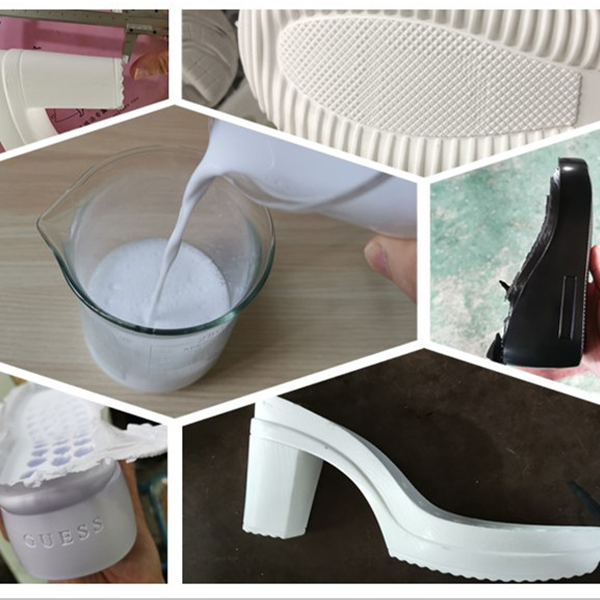
The core application for this product is PU automotive carpet backing, but the same demolding principle carries over to related PU parts. In practice, the broader product family covers PU soles, PU car carpets, wood-based panels, food-contact paper, and metal die casting — each with its own release requirement in terms of drying speed and residue tolerance. For shoe manufacturers running similar PU foam processes, our shoe sole paint line is often specified alongside a compatible release agent to keep surface finish consistent from mold to paint booth. If your production spans more than one of these categories, it's more efficient to source both from one supplier who understands how they interact than to test compatibility yourself across separate vendors.
What Drives the Price Quote
Price on PU Car Carpet Release Agent HG-15196# isn't fixed — it moves with a few concrete factors, and knowing them lets you read a quote correctly instead of just comparing a single number.
- Order volume: larger drum quantities typically bring the per-kg cost down, though there's no minimum order quantity required to start.
- Packaging format: small pails for trial runs cost more per unit than bulk drums or totes.
- Customization: adjusting viscosity, drying speed, or additive ratio for your specific mold adds formulation time.
- Shipping distance and mode: air freight for urgent samples versus sea freight for bulk orders changes the landed cost significantly.
A quote that looks cheap on paper but ignores your actual packaging need or shipping mode isn't a real comparison. Always ask for a landed-cost estimate, not just an ex-works price, before deciding between suppliers.
Application Procedure and Common Mistakes
The general workflow for applying a mold release agent in PU car carpet production looks like this:
- Clean the mold surface to remove any residue from the previous release cycle.
- Apply a thin, even coat by spray or wipe — over-application is the single most common cause of surface defects.
- Allow proper drying time before closing the mold; closing too early traps solvent or moisture in the foam surface.
- Inject the PU foam and demold according to your normal cycle timing.
- Inspect the release surface periodically; buildup signals it's time to clean the mold rather than add more product.
Common mistakes we see reported by buyers switching suppliers include assuming a thicker coat means better release (it usually means worse), skipping drying time to save cycle seconds, and not re-testing the formula when the mold material changes. None of these are formula problems — they're process mismatches, which is why a technical data sheet review before ordering matters more than most buyers expect.
Pre-Order Checklist for MOQ, Packaging, Lead Time and Documents
This is the section most buyers skip and later regret. Before submitting your RFQ for PU Car Carpet Release Agent HG-15196#, get direct answers to each of these:
| Question | Answer |
|---|---|
| Is there a minimum order quantity? | No MOQ — small trial orders are accepted alongside bulk orders. |
| What packaging options are available? | Confirm drum size, pail size, and whether custom labeling is needed before production starts. |
| What is the standard lead time? | Standard production and dispatch runs around 30 days; confirm this against your own production calendar, especially for first orders that may need formula adjustment. |
| Can I get a sample before the full order? | Yes — request a sample quantity in writing, and specify whether it's for lab testing or a mold trial, since the two need different volumes. |
| What technical documents come with the order? | Ask specifically for the technical data sheet and safety data sheet; don't assume they're automatically attached to the shipment. |
| What are the shipping requirements? | Confirm Incoterms, whether the product needs hazardous-goods documentation for your shipping mode, and your destination port handling requirements. |
If a supplier can't give a direct answer to any of these before you place the order, treat that as a warning sign — not a detail to sort out after payment.
Sholee Chemicals as Your Release Agent Supplier
Sholee Chemicals supplies release agents, chemical additives, color paste, and paint curing agents for industries ranging from PU soles and PU car carpets to wood-based panels, food-contact paper, and metal die casting. We accept customized formulation requests for industrial release agents and painting additives, and we don't require a minimum order quantity, which makes it practical for buyers to test a formula like HG-15196# on a small scale before committing to bulk volume. Our aim is straightforward — build products that solve a real production problem and support customers with the technical documentation they need to clear customs and pass internal quality checks. For related curing needs on painted PU parts, our paint curing agent range is often paired with release-treated substrates in the same production line.
Frequently Asked Questions
Does HG-15196# work on steel molds as well as aluminum? It's formulated primarily for the mold materials common in PU car carpet lines; if your tooling is unusual, confirm compatibility before ordering rather than assuming.
Can I request a formula adjustment for faster drying? Customization requests are accepted, but they extend lead time beyond the standard 30-day timeline, so factor that into your planning.
What happens if the sample doesn't match my process? This is exactly why sampling before a bulk order matters — flag the mismatch early so adjustments can be made before a full production run is committed.
Is packaging negotiable for small trial orders? Yes, but confirm minimum practical pail sizes with the supplier, since some packaging formats aren't cost-effective below a certain quantity even without a formal MOQ.
If you're preparing an RFQ for PU Car Carpet Release Agent HG-15196# or need guidance choosing between formula variants, feel free to contact us for a current quote and the technical data sheet.