
How to Select a Solvent-Based Polyurethane Hardener
Selecting the Right Solvent-Based Polyurethane Hardener for Wood Coatings
Choosing a hardener for a two-component (2K) polyurethane wood coating is a critical decision. The right choice ensures the desired gloss, hardness, and chemical resistance. The wrong one can lead to production delays from slow curing, unusable batches due to short pot life, or field failures from poor film properties. The decision balances the isocyanate chemistry of the hardener with the specific polyol resin used and the operational demands of your application, from factory finishing lines to on-site floor coating.
A solvent-based polyurethane hardener is the isocyanate component (Part B) in a 2K PU system. When mixed with a polyol resin (Part A), it initiates a chemical reaction that creates a durable, cross-linked polymer network. This process, known as curing, transforms the liquid coating into a hard, protective film. The type of isocyanate and its formulation dictate cure speed, yellowing resistance, and the final mechanical properties of the wood finish.
Key Hardener Types and Their Performance Trade-offs
While many isocyanate variations exist, wood coating formulations primarily rely on two major families: Aromatic (TDI-based) and Aliphatic (HDI-based). Understanding their core differences is the first step in selecting the appropriate curing agent for your product line.
Aromatic Isocyanates (TDI-Based)
Hardeners derived from Toluene Diisocyanate (TDI) are widely used for general-purpose wood sealers, primers, and pigmented topcoats where light stability is not the primary concern. They are known for their fast reactivity and excellent film hardness.
- Advantages: They offer a very fast cure time, which is ideal for high-throughput factory settings. They also tend to be more cost-effective, making them suitable for price-sensitive applications. The resulting films are exceptionally hard and provide good chemical resistance.
- Limitations: The primary drawback of TDI-based systems is their tendency to yellow upon exposure to ultraviolet (UV) light. This makes them unsuitable for clear topcoats on light-colored woods or for exterior applications where color stability is essential.
Aliphatic Isocyanates (HDI-Based)
Hardeners based on Hexamethylene Diisocyanate (HDI) are the standard for high-performance, non-yellowing clear coats and finishes. Their chemical structure is inherently more stable against UV degradation.
- Advantages: Their most significant benefit is excellent UV resistance and color retention. This makes them the only viable choice for exterior wood coatings, clear coats over natural or stained wood, and high-quality furniture finishes. They also offer greater flexibility compared to TDI systems.
- Limitations: HDI-based hardeners typically cure more slowly than their TDI counterparts and come at a higher cost. The formulation may require accelerators to meet production speed requirements.
Application-Based Selection Criteria for Wood Coatings
Matching the hardener to the polyol resin and the specific application is a technical process. A mismatch can compromise the final properties of the coating. The key is to balance the competing demands of pot life (the usable working time after mixing) and cure speed (how quickly the film hardens). Use the following table as a guide for your formulation development.
| Wood Coating Application | Typical Polyol Resin | Recommended Solids Content (%) | Target Pot Life | Desired Cure Speed |
|---|---|---|---|---|
| High-Speed Factory Furniture Finishing | Short-oil Alkyd / Polyester Polyol | 45-55% | 2-4 hours | Fast (Tack-free in < 30 mins) |
| High-Durability Wood Flooring Topcoat | Acrylic Polyol / Polyester Polyol | 50-60% | 4-6 hours | Medium (Allows for leveling) |
| General Purpose Interior Wood Sealer | Short-oil Alkyd Polyol | 40-50% | 3-5 hours | Fast (Easy to sand quickly) |
| Exterior Joinery and Cladding Clearcoat | Acrylic Polyol | 55-65% | 4-6 hours | Medium-Slow (Requires UV stability) |
For example, a furniture manufacturer with an automated spray line needs a fast cure to move pieces to the next stage quickly. They would likely choose a TDI-based hardener with a polyester polyol, accepting a shorter pot life as a trade-off for rapid drying. Conversely, a team applying a protective coating to high-end architectural millwork needs a non-yellowing finish with a longer working time. They would select an HDI-based hardener, likely paired with an acrylic polyol for maximum clarity and weather resistance.
Common Formulation Mistakes to Avoid
Even with the right components, formulation and application errors can lead to coating failure. Awareness of these common issues can save significant time and material costs during production.
- Ignoring Moisture Contamination: Isocyanates react aggressively with water (moisture). This can come from the air on a humid day, from residual moisture in solvents, or from the polyol component. This reaction produces carbon dioxide (CO2), leading to bubbles, pinholes, and foaming in the finish. Always use urethane-grade solvents with low water content and keep containers tightly sealed.
- Incorrect NCO:OH Ratio: The ratio of isocyanate groups (NCO) from the hardener to hydroxyl groups (OH) from the resin is fundamental. An incorrect ratio leads to an incompletely cured film. Too much hardener can result in a brittle coating, while too little will leave it soft and tacky. Always calculate the mix ratio by equivalent weight, not just by volume or weight, unless specified by the supplier.
- Solvent Incompatibility: The solvent blend must keep both the resin and the hardener in solution without reacting with them. Alcohols, for example, will react with the isocyanate groups, effectively stopping the curing reaction. Ensure your solvent package is compatible with 2K PU systems.
- Disregarding Induction Time: Some formulations require a short "induction" or "predation" time after mixing Part A and Part B. This allows the initial reaction to begin evenly throughout the batch before application, often improving the final film appearance. Skipping this step can sometimes result in lower gloss or surface defects.
Your Partner for Industrial Coating Components
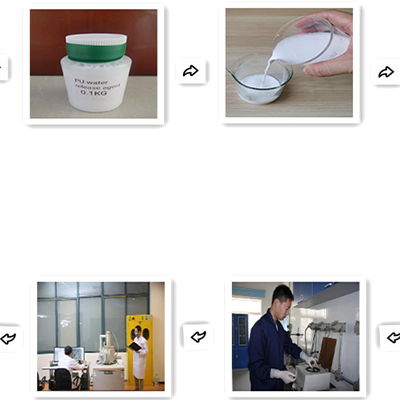
At Sholee Chemicals, we specialize in supplying high-performance components for industrial coatings, including a range of curing agent products. We understand the technical demands of formulators and the operational needs of manufacturers. Our business model is designed to support your development and production cycles. We offer flexible terms, including a 30-day payment window and no Minimum Order Quantity (MOQ), allowing you to procure the exact amount of material you need for trials or production runs without excess inventory.
Beyond our standard product line of release agents, chemical additives, and PU paste & pigment options, we also accept projects for customized industrial products. Whether you need to adjust reactivity, solids content, or solvent blends, our technical team can work with you to develop a hardener that meets the specific performance targets of your wood coating system.
Frequently Asked Questions
What is the typical shelf life of a solvent-based PU hardener?
Most isocyanate-based hardeners have a shelf life of 6 to 12 months when stored in their original, unopened containers in a cool, dry place. Once a container is opened, its life is significantly shortened due to potential reaction with atmospheric moisture. It is best to use opened containers as quickly as possible.
Can I accelerate the cure of an HDI-based hardener?
Yes, the cure speed of aliphatic systems can be increased. This is typically done by adding small amounts of catalysts, such as organotin compounds (like DBTL) or tertiary amines, to the formulation. However, this must be done carefully, as over-catalysis can drastically reduce pot life and may negatively affect long-term film properties.
Is a TDI-based or HDI-based hardener better for resisting scratches?
Generally, TDI-based systems cure to a harder film, which often translates to better initial scratch and abrasion resistance. However, high-quality HDI systems formulated with durable acrylic or polyester polyols can also offer excellent mechanical resistance, with the added benefit of non-yellowing performance, making them superior for high-wear surfaces like tabletops and floors.
If you are sourcing a solvent-based polyurethane hardener for your wood coatings or require technical guidance on selecting the right product for your formulation, contact our team for a consultation or to request a quote.