
Calculate True Cost Per Pair with Water Based Release Agent HG-15186#
Calculating the True Cost Per Pair with Water Based Release Agent HG-15186#
A release agent is a critical component in polyurethane (PU) sole manufacturing, but choosing one based solely on the price per drum is a common and costly mistake. Sourcing managers focused on the initial purchase price often overlook the factors that determine the true operational cost: dosage, dilution, mold-cleaning downtime, and defect rates. An inexpensive agent that requires heavy application or causes high rejects can quickly become the most expensive option on your production floor. This guide explains how to move beyond superficial pricing and calculate the real cost per pair, ensuring you make a financially sound decision for your operations.
Understanding the total economic impact is essential before committing to a large order. Our Water Based Release Agent HG-15186# is formulated for efficiency in PU sole production, and this article provides a transparent framework for evaluating its cost-effectiveness in your specific manufacturing environment.
Beyond the Drum: Uncovering the Real Cost Drivers in Mold Release
The sticker price of a release agent is only the beginning of the story. A comprehensive cost analysis must account for several operational variables that directly influence your bottom line. Ignoring these factors leads to inaccurate budgeting and missed opportunities for efficiency gains. Before calculating your cost per pair, you must isolate and quantify each of these elements. They represent the difference between a low initial price and a low total cost of ownership.
Key cost drivers include:
- Product Concentration and Dilution Ratio: A highly concentrated agent that allows for a high dilution ratio (e.g., 1:80 or 1:100 with water) means you get more usable product from each kilogram purchased. A lower-cost, less concentrated product might require a 1:40 ratio, effectively doubling your consumption.
- Application Dosage: How much diluted agent is required per mold or per pair of soles? A superior film-forming agent provides excellent release with a minimal spray volume. Over-application not only wastes product but can also lead to build-up on the molds.
- Scrap and Reject Rate: Poor release performance is a direct cause of defects. Soles that stick, have surface blemishes, or suffer from poor demolding must be scrapped. The cost of a rejected part includes raw materials, labor, energy, and machine time—a significant loss that a reliable release agent mitigates.
- Mold Cleaning and Downtime: Release agent build-up forces production to stop for mold cleaning. An agent that creates a clean, non-transferring film extends the cycles between cleanings. This increases machine uptime and reduces labor costs associated with maintenance.
By evaluating a release agent against these performance metrics, you shift the focus from purchase price to operational efficiency. The goal is to find a product that minimizes consumption, waste, and downtime simultaneously.

A Practical Model for Calculating Your Cost Per Pair
To accurately compare different release agents, you need a standardized calculation model. This approach separates each cost component, allowing you to substitute variables from your own production line—or from a trial run—to see the real financial impact. Use this table as a framework for your analysis. The model breaks down the total expense into four key areas: product cost, consumption cost, quality cost, and operational cost.
This detailed breakdown moves the conversation from a simple price comparison to a strategic analysis of production efficiency. For businesses producing thousands of pairs daily, a fraction of a cent saved per pair translates into substantial annual savings.
| Cost Component | Variable / Calculation | Description & Impact on Total Cost |
|---|---|---|
| 1. Diluted Product Cost | (Price per kg of concentrate) / (Dilution Ratio + 1) | This calculates the actual cost of the ready-to-use liquid you spray. A higher dilution ratio significantly lowers this cost. For example, a €5/kg agent at a 1:99 ratio costs just €0.05 per kg of diluted solution. |
| 2. Consumption Cost Per Pair | (Dosage in grams per pair / 1000) * (Diluted Product Cost per kg) | Measures the direct product cost for each pair produced. A high-performance agent requires a lower dosage, directly reducing this expense. This is often the most significant variable. |
| 3. Quality Cost (Rejects) | (Reject Rate %) * (Cost per rejected pair) | Quantifies the financial loss from defects caused by poor release. The cost per rejected pair should include materials (PU, inserts), labor, and machine overhead. A reliable agent minimizes this expensive variable. |
| 4. Operational Cost (Downtime) | (Cost of labor per hour + Machine downtime cost per hour) * (Time spent cleaning molds per shift) | This captures the hidden cost of production stops. An agent that reduces build-up extends the time between cleanings, maximizing output and reducing maintenance labor. This cost should be amortized per pair. |
| Total Cost Per Pair | Sum of (Consumption Cost + Prorated Quality Cost + Prorated Operational Cost) | This final number gives you a true, actionable metric for comparing suppliers. It combines direct product expenses with the financial impact on quality and operational uptime. |
Features and Applications of HG-15186# Release Agent
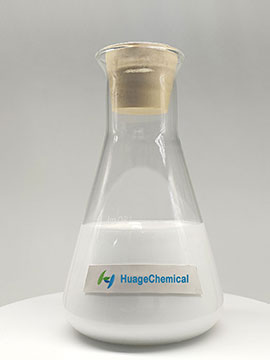
Our HG-15186# is a water-based, semi-permanent release agent specifically engineered for the demanding environment of PU footwear manufacturing. Its formulation is designed to create a micro-thin, durable film on the mold surface that provides multiple releases with minimal reapplication, directly contributing to lower consumption and reduced operational costs.
Key Product Features:
- High Dilution Potential: The concentrated formula allows for high water dilution ratios, significantly lowering the cost of the in-use solution.
- Excellent Film-Forming Properties: It creates a smooth, even, and robust release film, ensuring clean demolding even with complex sole geometries. This reduces the friction and stress on newly formed parts, minimizing defects.
- Low Mold Build-Up: The formulation is designed to prevent residue accumulation on the mold surface. This extends the production cycles between cleanings, maximizing machine uptime and reducing labor costs for maintenance.
- Water-Based Formulation: As a water-based product, it offers a better environmental and workplace safety profile compared to solvent-based alternatives, without compromising performance.
While optimized for PU soles, the principles of efficient release are applicable across industries. Sholee Chemicals supplies a range of release agents and other chemical products for diverse applications, including:
- PU Car Carpets and Interior Parts
- Wood-Based Panels (MDF, Particleboard) - Food-Grade Paper Coatings
- Metal Die Casting
- Paint and Glue Curing Agent Products
We also formulate custom industrial release agents and other chemical solutions like pu paste & pigment to meet specific substrate and process requirements.
Achieve Optimal Performance: Best Practices for Application
Even the best release agent will underperform if not applied correctly. To achieve the lowest cost per pair and highest quality, proper mold preparation and application technique are essential. Adhering to these guidelines ensures you get the full benefit of the product's formulation.
- Start with a Clean Mold: Before the first application, the mold must be completely clean and free of any previous release agents, contaminants, or PU residue. Use a suitable mold cleaner and ensure the surface is dry.
- Accurate Dilution: Always use clean, deionized water for dilution if possible. Measure both the concentrate and water precisely to maintain the target ratio. Inconsistent dilution leads to inconsistent performance and unpredictable costs.
- Proper Application Technique: Apply a thin, uniform coating using a high-volume, low-pressure (HVLP) spray gun. The goal is a light mist that covers the entire mold surface without pooling or running. Over-application is wasteful and can cause build-up.
- Allow for Proper Curing/Drying: Ensure the water carrier has fully evaporated and the release film is set before injecting the polyurethane. Spraying on a hot mold can accelerate this process, but the mold temperature should be within the recommended range for both the release agent and the PU system.
- Establish a Reapplication Schedule: HG-15186# is designed for multiple releases. Conduct trials to determine the optimal number of cycles before a light touch-up coat is needed. Avoid reapplying after every cycle unless necessary, as this leads to waste and build-up.
By standardizing these steps, you create a repeatable process that maximizes efficiency and minimizes the variables that can lead to defects and increased costs. This disciplined approach is fundamental to unlocking the full economic potential of a high-performance release agent.
Sholee Chemicals: Your Partner for Efficient Production
At Sholee Chemicals, we focus on creating value for our customers through high-performance chemical solutions. We understand that in a competitive B2B market, operational efficiency is just as important as product quality. That’s why we support our clients with flexible and predictable supply chain terms designed for modern manufacturing.
When you partner with us for your chemical needs, whether it's release agents, a curing agent, or color pastes, you benefit from our straightforward business approach. We offer a no MOQ (Minimum Order Quantity) policy, allowing you to order the exact quantity you need for trials or production runs without being forced into excess inventory. This flexibility is ideal for testing new formulations or managing fluctuating production demands.
Furthermore, we provide reliable scheduling with a standard 30-day lead time on our products. This allows your procurement and production teams to plan with confidence, ensuring you have the materials you need, when you need them, to keep your lines running smoothly. Our goal is to be more than just a supplier; we aim to be a reliable partner contributing to your operational success.
To evaluate how Water Based Release Agent HG-15186# can reduce your total cost per pair, contact our technical team to discuss your application and request a sample for testing.