
Zinc Alloy Release Agent HG-6202 Compatibility Guide
Zinc Alloy Release Agent HG-6202 Answers the Compatibility Questions Buyers Ask Before Trial Orders
Zinc Alloy Release Agent HG-6202 is a water-based release agent formulated for zinc die-casting operations, designed to reduce mold sticking, control surface defects, and support consistent part release across repeated cycles. Before placing a trial order, most technical buyers run into the same worry: will this release agent actually behave correctly on our existing tooling, at our mold temperatures, with our current spray equipment? Skipping this check is the most common regret we hear about — a buyer commits to a drum, runs one shift, and finds the product wasn't matched to their alloy grade or mold setup in the first place. This article works through those boundary questions directly, so you know what HG-6202 handles well and where its limits sit.
What HG-6202 Is and How It Works
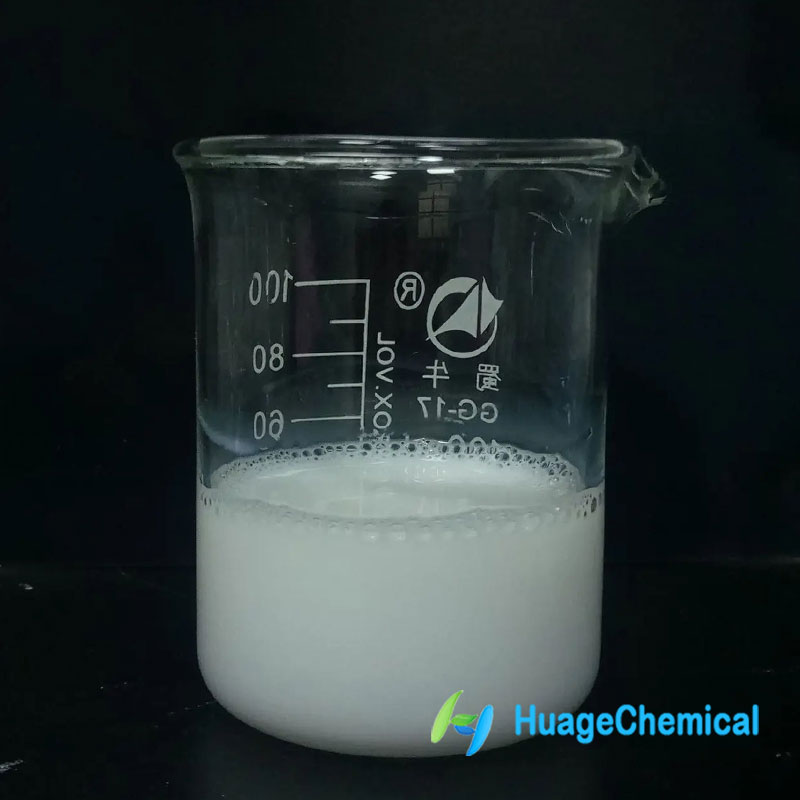
HG-6202 is classified as a water-based zinc die-casting release agent, meaning it carries active release compounds in a water carrier rather than a solvent or oil base. On contact with the hot mold surface, the water flashes off and leaves a thin release film across the cavity. That film reduces metal-to-mold adhesion during zinc injection and lets the finished part release cleanly without tearing the surface or leaving residue that would require secondary cleaning. Because it is water-based, it also runs cooler on the shop floor, produces less smoke at spray application, and cleans up easier from surrounding equipment compared to oil-based alternatives. This matters for buyers running multi-cavity zinc dies where consistent film thickness across every cavity determines scrap rate.
Types of Release Agents and Where HG-6202 Fits
Release agents for metal die casting generally fall into three categories, and knowing which category you're currently using helps frame the switch decision.
- Oil-based release agents — higher lubricity, but generate more smoke and residue buildup, common in older aluminum lines.
- Water-based release agents — lower smoke, faster water evaporation, standard choice for zinc and light-alloy die casting; HG-6202 belongs here.
- Semi-permanent / paste release agents — applied less frequently, used mainly for large aluminum or magnesium castings with long cycle times.
For zinc die-casting specifically, water-based agents like HG-6202 are the dominant choice because zinc's lower melting point (around 380-420°C) doesn't require the heavier lubricity oil-based agents were built for.
Features of Zinc Alloy Release Agent HG-6202
The core features buyers should evaluate against their own process are film consistency, thermal stability at typical zinc mold temperatures, and residue behavior after repeated shots. HG-6202 is formulated to leave minimal white residue buildup on the mold surface, which reduces the frequency of manual cavity cleaning. It also disperses evenly through standard airless or air-assisted spray guns without excessive foaming, a common complaint with lower-grade water-based agents. Buyers running high-cycle production (short dwell times, frequent shots) will notice the difference most in reduced downtime for cavity wipe-downs. That said, feature performance depends on correct dilution ratio and spray distance — running it too concentrated will not improve release, it will just increase residue risk.
Application Boundary Questions: Alloy Compatibility, Mold Temperature, Spray Settings, Buildup, and Soldering
This is the section technical buyers actually need before committing to a trial. We answer each boundary question honestly, including where HG-6202 does not apply.
Alloy Compatibility
HG-6202 is formulated for zinc alloys (Zamak 3, Zamak 5, ZA-8 and similar). It is not formulated as a general-purpose release agent for aluminum or magnesium die casting — those alloys run at higher mold temperatures and require different film thermal stability. If your line runs mixed alloys on shared tooling, you should qualify HG-6202 separately for each alloy rather than assuming cross-compatibility.
Mold Temperature Range
Zinc die-casting molds typically operate between 150°C and 220°C at the cavity surface. HG-6202 performs within this standard zinc-process range. If your mold runs consistently above 250°C — which is unusual for zinc but possible on thick-wall or slow-cycle parts — film evaporation may occur too fast, reducing release effectiveness. In that case, spray frequency needs adjustment rather than switching products outright.
Spray Settings
HG-6202 is compatible with standard air-atomized and airless spray systems used in zinc die-casting cells. Recommended practice is a light, even mist rather than a heavy soak — over-spraying is the most common application mistake and directly increases buildup risk (see below). Nozzle distance and dilution should be checked against your existing spray parameters during the first trial run rather than assumed from another product's settings.
Buildup Risk
Buildup on mold surfaces happens when release agent is applied too heavily or too frequently relative to cycle time. HG-6202 is designed to minimize this compared to oil-based agents, but it is not immune to buildup if dilution ratio is ignored. Buyers switching from a heavier oil-based product often carry over old spray habits — spraying as much and as often as before — which is the single most common cause of early-stage buildup complaints during trial runs.
Soldering Control
Soldering (metal sticking to the die surface) in zinc casting is usually a combination of mold temperature, alloy iron content, and release film consistency. HG-6202 supports soldering control by maintaining a stable release film, but it will not compensate for a mold running too hot or an alloy with iron content outside the normal Zamak specification. If soldering persists after switching release agents, the root cause is likely process-side, not agent-side, and should be checked separately.
| Boundary Question | HG-6202 Fit | Limitation |
|---|---|---|
| Alloy type | Zinc alloys (Zamak 3/5, ZA-8) | Not qualified for aluminum/magnesium |
| Mold temperature | 150-220°C standard zinc range | Above 250°C needs adjusted spray frequency |
| Spray equipment | Air-atomized, airless compatible | Over-spraying causes buildup |
| Buildup risk | Lower than oil-based agents | Still occurs if dilution/frequency ignored |
| Soldering | Supports stable release film | Cannot fix root-cause mold temp/alloy issues |
Price Factors for Zinc Alloy Release Agent HG-6202
Pricing on release agents like HG-6202 varies based on order volume, dilution ratio required, and packaging format (drum vs. bulk tote). Since Sholee Chemicals operates with no MOQ, buyers can start with a smaller trial quantity to validate compatibility before scaling to production volume — this avoids the common mistake of over-committing before the first trial run confirms fit. Other factors affecting landed cost include shipping distance, whether the buyer requires customized concentration for their specific spray equipment, and lead time requirements. Standard turnaround for orders runs around 30 days, which buyers should factor into production scheduling if switching from an existing supplier.
User Guide: Applying HG-6202 Correctly
A short step-by-step helps avoid the most common trial-run mistakes:
- Confirm dilution ratio against your spray equipment specs before first use — do not assume settings from a prior product.
- Test spray on a single cavity first, checking film coverage and evaporation time at your actual mold temperature.
- Adjust spray frequency to match cycle time — less frequent, lighter coats generally outperform heavy, infrequent coats.
- Monitor cavity surface after 50-100 shots for early buildup signs before scaling to full production.
- Log soldering or release defects separately from spray settings so root cause isn't misattributed to the release agent.
Buyers should also review compatible curing agent products if their process involves post-cast coating steps, since curing schedules can interact with residual release film.
Sholee Chemicals as a Release Agent Supplier
Sholee Chemicals supplies release agents, chemical additives, color paste, and paint curing agents for industrial applications including PU soles, PU car carpets, wood-based panels, food-contact paper, and metal die casting. We accept customized formulation requests for industrial release agents and painting additives, and we operate with no MOQ, which lets technical buyers qualify a product like HG-6202 at trial scale before committing to full production volume. Standard order turnaround is 30 days. Beyond die-casting release agents, our product range also covers pu paste & pigment for coloring applications and shoe sole paint formulations for footwear manufacturers. Our aim is to support customers with dependable chemical supply while contributing responsibly to the industries we serve.
FAQ of Zinc Alloy Release Agent HG-6202
Is HG-6202 suitable for aluminum die casting? No. It is formulated specifically for zinc alloys and has not been qualified for aluminum's higher mold temperature range.
Can I use HG-6202 with an existing airless spray gun? Yes, it is compatible with standard air-atomized and airless spray systems already common in zinc die-casting cells.
Does HG-6202 eliminate soldering issues? It supports stable release film and can reduce soldering tendency, but it cannot correct soldering caused by excessive mold temperature or off-spec alloy composition.
What happens if I apply too much product? Over-application is the leading cause of buildup complaints — always follow dilution ratio and reduce spray frequency relative to cycle time.
Is there a minimum order quantity? No. Sholee Chemicals accepts orders without MOQ, allowing trial-scale qualification before full production commitment.
If you are validating Zinc Alloy Release Agent HG-6202 against your mold temperature, alloy grade, or spray setup, contact us for a sample and current quote before your next trial run.