
What is Polyurethane in Shoes? A Guide to PU Durability
Understanding What Polyurethane in Shoes Is and Its Lifespan
Polyurethane in shoes is a versatile polymer used to create durable, lightweight, and comfortable outsoles, midsoles, and insoles. As a material, it is formed by reacting a polyol with a diisocyanate in the presence of catalysts and additives. This chemical process creates a material that can be engineered for a wide range of properties, from soft and flexible foam for cushioning to hard, abrasion-resistant solids for outsoles. Unlike traditional materials like rubber or EVA, polyurethane offers a unique combination of resilience and low weight, making it a preferred choice for performance, casual, and safety footwear.
The final characteristics of the PU component depend heavily on the specific chemical formulation. By adjusting the type of polyol, isocyanate, and additives, manufacturers can precisely control density, hardness, and resistance to environmental factors. This adaptability is why polyurethane is found in everything from high-performance athletic sneakers to rugged work boots. Understanding the base chemistry and manufacturing variables is the first step for any brand or product manager aiming to source high-quality, long-lasting footwear.

Types of Polyurethane Used in Footwear Manufacturing
Not all polyurethane is the same. In footwear, the choice primarily comes down to two main types: polyether-based PU and polyester-based PU. Each offers a distinct set of performance characteristics, and selecting the right one depends entirely on the intended application and desired product lifespan.
Polyether-Based Polyurethane: This type is known for its excellent resistance to hydrolysis, which is the chemical breakdown of the polymer due to water. This makes it the superior choice for footwear intended for use in wet or humid climates. Polyether PU soles maintain their flexibility at low temperatures and generally exhibit better long-term durability against microbial attack. However, they may offer slightly lower resistance to abrasion and oil compared to their polyester counterparts.
Polyester-Based Polyurethane: Polyester PU provides exceptional toughness, abrasion resistance, and strong resistance to oils and solvents. This makes it ideal for industrial or safety footwear where exposure to chemicals and rough surfaces is common. The trade-off is its higher susceptibility to hydrolysis. Without proper formulation and additives, polyester-based PU can degrade more quickly when exposed to prolonged moisture and heat.
Here is a direct comparison to aid in material selection:
| Property | Polyether-Based PU | Polyester-Based PU |
|---|---|---|
| Hydrolysis Resistance | Excellent | Fair to Good |
| Abrasion & Cut Resistance | Good | Excellent |
| Oil & Solvent Resistance | Fair | Excellent |
| Low-Temperature Flexibility | Excellent | Good |
| Typical Application | Outdoor, hiking, general-purpose footwear | Safety shoes, industrial boots, high-wear soles |
Practical Limits of PU Footwear: Peeling, Aging, and Service Life
While polyurethane offers many advantages, it is not immune to degradation. Product managers and quality control teams must understand its limitations to set realistic expectations for service life and prevent premature product failures. The most common issues are hydrolysis, coating delamination (peeling), and material aging.
Answering common questions about these failure modes provides clarity:
- What causes PU soles to crumble or peel? The primary cause is hydrolysis. Over time, water molecules in the air (humidity) attack the long polymer chains in the polyurethane, breaking them down into shorter segments. This weakens the material from the inside out, causing it to lose its physical properties, become brittle, and eventually crumble or disintegrate. This process is accelerated by heat and poor storage conditions. Peeling can also occur if the surface preparation was inadequate before applying a shoe sole paint or coating, or if an incompatible release agent was used during molding.
- How does moisture affect PU aging? Moisture is the main driver of PU aging, especially for polyester-based formulations. High humidity acts as a constant catalyst for hydrolysis. A pair of PU shoes stored in a hot, humid, and dark closet for several years is far more likely to fail than a pair worn regularly, which allows moisture to dissipate.
- What are the ideal storage conditions for PU footwear? To maximize the lifespan of PU footwear, it should be stored in a cool, dry, and well-ventilated area. Avoid sealed plastic boxes or bags that trap moisture. Storing them out of direct sunlight is also important, as UV radiation can degrade the material and cause discoloration, especially if the right pu paste & pigment with UV stabilizers was not used.
- What is the expected service life of a PU sole? This is highly variable. A high-quality, polyether-based PU sole used under normal conditions can last for 5-7 years or longer. A lower-quality polyester-based sole stored improperly in a tropical climate might show signs of hydrolysis in as little as 2-3 years, even without being worn. The formulation, including the quality of the curing agent and other additives, plays a significant role in determining its ultimate lifespan.
Factors Influencing the Cost of PU Shoe Components
The price of PU soles and midsoles is not arbitrary; it is driven by several key technical and logistical factors. For brands and wholesalers, understanding these cost drivers is essential for negotiating with suppliers and managing product margins. The primary factors include raw material costs, formulation complexity, and production volume.
Raw Material Costs: The global market prices for the core components—polyols and isocyanates—are the largest variable. These commodity chemicals fluctuate based on crude oil prices, supply chain disruptions, and geopolitical events. Furthermore, polyether polyols generally have a different cost structure than polyester polyols, which will be reflected in the final price.
Formulation Complexity: A basic, single-density PU sole is the most economical. However, costs increase as complexity is added. This includes:
- Additives: Incorporating specialized chemical additives to improve hydrolysis resistance, UV stability, or anti-static properties adds to the material cost.
- Dual-Density Soles: Manufacturing a sole with a soft midsole for cushioning and a hard outsole for durability requires more complex molds and a multi-step injection process, increasing manufacturing time and cost.
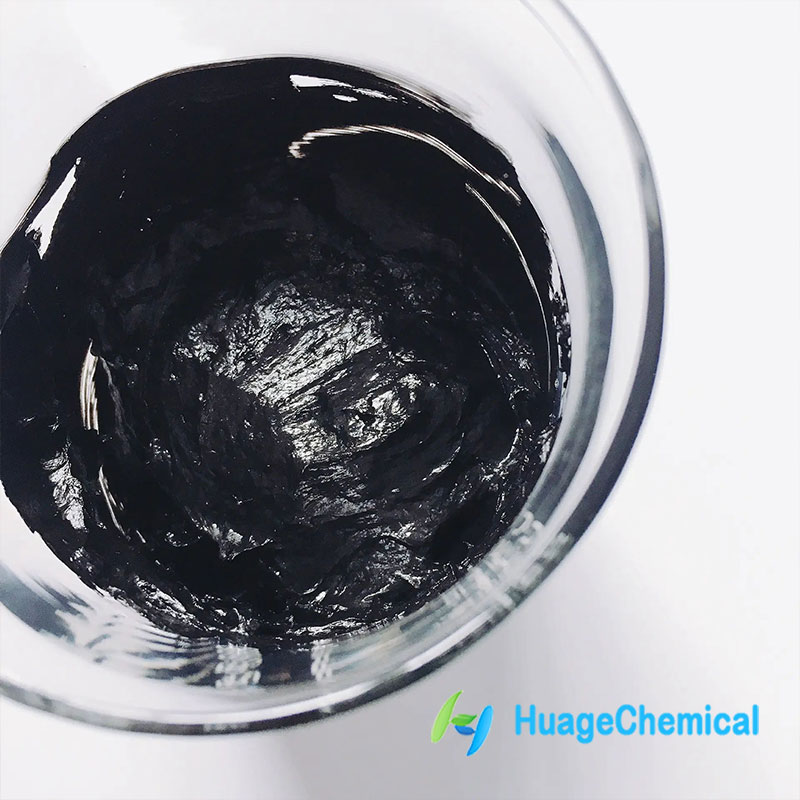
- Custom Colors: While standard colors like black and white are economical, developing custom colors requires precise pigment matching and smaller production runs, which can increase the price per unit.
Production Volume and Customization: Economies of scale significantly impact pricing. Large orders (tens of thousands of pairs) allow for optimized production and lower per-unit costs. Smaller, more customized orders may require higher prices to cover mold setup and material changeover costs. At Sholee Chemicals, we help manage this by offering services with no MOQ (Minimum Order Quantity), allowing for more flexible production planning.
Choosing a Supplier for PU Footwear Chemicals
The quality of your PU footwear is directly linked to the quality of the chemical system used to produce it. Selecting the right supplier for release agents, color pastes, and other additives is a critical business decision. A reliable partner provides not just materials, but technical support and consistent quality control. When evaluating suppliers, use a structured approach to ensure you cover all critical areas.
Here is a buyer's checklist to guide your decision-making process:
- Technical Expertise: Does the supplier have a deep understanding of PU chemistry for footwear applications? Can they provide technical data sheets (TDS) and material safety data sheets (MSDS) for all products? Can they advise on the best additives to prevent hydrolysis or improve abrasion resistance?
- Product Range & Customization: Does the supplier offer a complete range of necessary products, including release agents, pigments, curing agents, and other performance additives? Importantly, do they accept customized formulations to meet your specific performance and cost targets?
- Quality Control and Consistency: What quality control measures are in place? Ask about batch-to-batch consistency testing. Inconsistent material properties can lead to high defect rates in your production line.
- Supply Chain & Logistics: What are the typical lead times? A supplier offering clear timelines, such as a 30-day lead time, provides predictability for your production schedule. Also, inquire about their policy on minimum order quantities. A supplier with a no-MOQ policy offers valuable flexibility for new product launches or smaller runs.
- Support and Collaboration: Will the supplier work with your technical team to troubleshoot production issues? A true partner is invested in your success and willing to help solve problems related to molding, demolding, or finishing.
As a specialized supplier of chemical additives, Sholee Chemicals focuses on providing high-performance, customized solutions for the PU industry. We work directly with manufacturers to develop formulations that meet precise durability, aesthetic, and cost requirements. Our professional team is dedicated to creating value for our customers through consistent quality and reliable technical support.
If you are sourcing chemical additives for your PU footwear production, contact us to discuss your project requirements and request a quote.