
Water Based Release Agent Film Curing Guide
Water Based Release Agent Film Curing Prevents Sticking
What a Release Film Does on the Mold Surface
Water Based Release Agent is a mold-treatment product designed to form a controlled barrier between a mold surface and the material being processed. Its purpose is not simply to make parts easier to remove. A properly prepared release film helps production teams avoid sticking, reduce material transfer onto the mold, and maintain a more consistent surface condition from cycle to cycle. In PU sole production, PU car carpet molding, wood-based panel operations, paper-related processing, and metal die casting support processes, release performance depends on how the film is applied and cured before the next material contacts it. If the film remains wet, uneven, or poorly attached to the mold, the release layer can move with the molded part rather than remain on the tool. That is when operators often see sticking, patchy release, surface marks, or residue buildup. The working definition is simple: a release film must dry into an even, stable layer that stays on the mold long enough to separate the processed material cleanly.
Types of Release Film Approaches for Production Lines
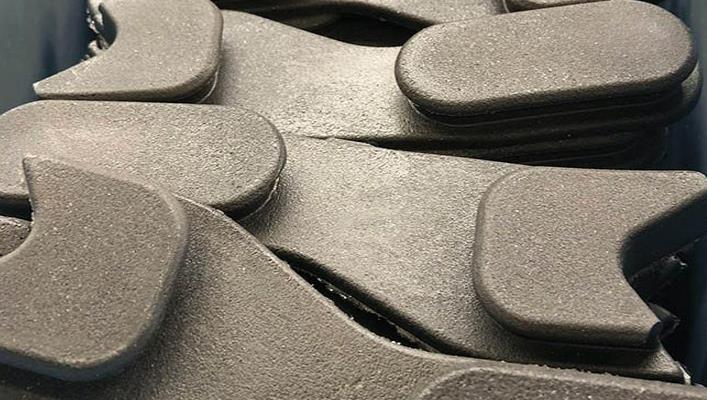
Production teams should classify release-film approaches by the job they must perform rather than selecting a product only by name. One approach is a light maintenance film applied between normal production cycles when the mold surface remains clean and release is generally stable. Another is a recovery application used after cleaning, when the mold has lost its working film and needs a fresh, controlled layer before production restarts. A third approach is an application adjusted for parts with deep texture, narrow edges, complex cavities, or areas where material tends to cling. These are process categories, not universal formulas, and the correct approach depends on the molded material, mold condition, part geometry, and operating routine. A film that works on a smooth open mold face may not behave the same way inside recessed details. Before changing the product, determine whether the problem is film coverage, drying, contamination, tool temperature, or timing. This distinction prevents teams from treating every sticking issue as a chemical problem when it may be a process-control issue.
Features That Matter When Release Becomes Inconsistent
The useful features of a water-based release system are practical rather than decorative. Operators need a film that can be applied consistently, observed during drying, and renewed when the existing layer no longer gives clean separation. Because water must leave the applied layer before molding, drying conditions deserve direct attention. A wet-looking surface, pooled liquid in a recess, or streaked application pattern indicates that the film is not ready for contact with production material. The desired result is a uniform prepared surface, not the heaviest possible coat. Excess material can remain mobile and transfer to a molded part, while insufficient coverage can leave exposed mold areas where sticking starts. This process also affects later finishing steps. Where a part will receive color treatment, teams should coordinate release practice with the intended coating sequence and review compatible PU paste pigment options separately. Release control does not replace proper pigment, paint, or curing choices, but it can reduce mold-related defects that complicate those downstream operations.
- Uniform coverage: Fits molds with broad faces and detailed zones because uncovered areas can become local sticking points. It does not mean applying a visibly heavy layer.
- Dry film appearance: Fits any operation where the material contacts the mold immediately after preparation. It does not confirm performance by itself if the mold is contaminated.
- Repeatable application method: Fits shift handovers and recurring production because different spray or wiping habits can change film behavior. It does not correct an unsuitable mold temperature.
- Clean mold condition: Fits recovery after buildup or transfer. It does not eliminate the need to recheck application and flash-off after cleaning.
Applications Where Film Curing Affects Part Release
Release-film curing matters wherever a processed material contacts a tool surface under pressure, heat, or repeated cycle conditions. PU sole operations may show the issue as a part that pulls unevenly from the mold or leaves material in detailed areas. PU car carpet production may reveal it through surface drag, incomplete separation, or a changing appearance across the molded article. In wood-based panel work, transfer and sticking can begin where the tool surface has residue or where the applied film was not allowed to settle before contact. Paper-related applications require the same disciplined evaluation of the contact surface and release layer. Metal die casting support operations also require attention to tool cleanliness and application consistency, although process requirements differ from PU molding. The conclusion is not that one method suits every production line. Instead, each line should define its own acceptable visual condition before molding begins. If a part is later painted, keep the release step distinct from the finishing step and review the appropriate shoe sole paint selection with the finishing team. A release film should support clean demolding, not create an uncontrolled residue that affects later work.
How Thickness Flash Off Temperature and Recoating Prevent Sticking
Application thickness, flash-off time, mold temperature, and recoating timing work as one control group. Changing only one condition can create a false improvement that disappears later in the shift. The practical conclusion is to establish a documented operating sequence for the specific mold and material, then change one variable at a time when troubleshooting. A heavier application may appear safer because more liquid is visible, but it can extend drying and increase the chance of material transfer. A thin, even application is usually easier to inspect, provided it covers the required contact areas. Flash-off should continue until the applied layer no longer appears wet or pooled. Mold temperature should be stable enough for the film to dry and remain in place, but the suitable setting must be confirmed on the actual tool because material type and mold design affect behavior. Recoating should follow evidence from the mold and part, not an automatic response to every difficult release event.
| Control point | What the team should check | How it prevents defects | Common failure reason | When this check is not enough |
|---|---|---|---|---|
| Application thickness | Look for an even layer without visible runs, pools, or dry gaps. | An even film avoids exposed mold areas while reducing mobile excess that may transfer. | Applying extra material to solve a sticking problem caused by contamination. | If mold residue remains beneath the film, a new application alone will not restore release. |
| Flash-off condition | Confirm that the treated surface no longer looks wet before material enters the mold. | A settled film is less likely to shift, smear, or move onto the molded part. | Closing the mold while liquid remains in corners or textured areas. | If the mold is too cool or the application is uneven, waiting without correcting the cause may not solve it. |
| Mold temperature | Verify that the tool is operating at its normal, stable process condition before judging release. | Stable tool conditions make film behavior easier to repeat and compare. | Evaluating a fresh film while the mold is still changing condition after a stop. | If material formulation or mold damage causes sticking, temperature control alone will not resolve it. |
| Recoating timing | Recoat after inspection shows film loss, residue, or declining release performance. | Timely renewal helps retain a controlled barrier without uncontrolled buildup. | Recoating over transferred material instead of cleaning it away first. | If the same defect returns immediately, inspect application method and mold condition before adding more product. |
Executable Shop Floor Procedure
- Stop and inspect the mold when sticking, drag marks, or visible transfer appears. Compare the affected area with clean areas of the same tool.
- Remove residue using the line’s approved mold-cleaning method. Do not apply a fresh film over loose transfer and expect it to bond evenly.
- Apply the release material in a controlled, even pattern. Give added attention to recesses, edges, texture, and known sticking zones without allowing liquid to pool.
- Allow flash-off until the surface no longer appears wet. Inspect corners and detailed features because these areas can retain liquid after open surfaces look dry.
- Confirm the mold has returned to its normal operating condition. Do not judge a new application while the tool condition is still changing after cleaning or downtime.
- Run the next part and inspect both the molded article and the mold surface. If transfer remains, record where it occurs before changing thickness, timing, or the material process.
Price Factors for Industrial Release Materials
Release-material pricing should be evaluated as a purchasing decision tied to production control, not only as a unit-price comparison. The cost of a release product can vary with the required application, customization needs, order format, packaging expectations, technical communication, and the buyer’s delivery destination. A lower purchase price may not represent the lower operating cost if inconsistent application leads to more cleaning, more rejected parts, or more unplanned line interruption. At the same time, the highest-priced option is not automatically suitable when the problem is caused by tool contamination or poor flash-off discipline. Procurement teams should request a quotation that identifies the intended application and should give the supplier enough process context to discuss the right category of product. Sholee Chemicals accepts customized industrial release agent, painting, and chemical additive requirements, so buyers can explain the mold type, processed material, present defect, and preferred application method before comparing offers. Avoid requesting a price based only on the phrase “release agent,” because that leaves too much room for an unsuitable comparison.
| Quotation factor | Why it affects the buying decision | Buyer action |
|---|---|---|
| Application process | A product intended for one mold or material condition may not suit another. | State the molded material, tool condition, and defect being addressed. |
| Customization request | Customized industrial requirements need clear technical communication before selection. | Provide the current application method and the result you want to improve. |
| Order format | Packaging and supply arrangements affect quotation details. | Ask for the available supply options relevant to your purchasing plan. |
| Related processing products | Release, color, paint, and curing steps can affect one another in a production route. | Identify any pigment, paint, glue, or curing stage that follows demolding. |
User Guide for Correct Film Preparation and Recoating
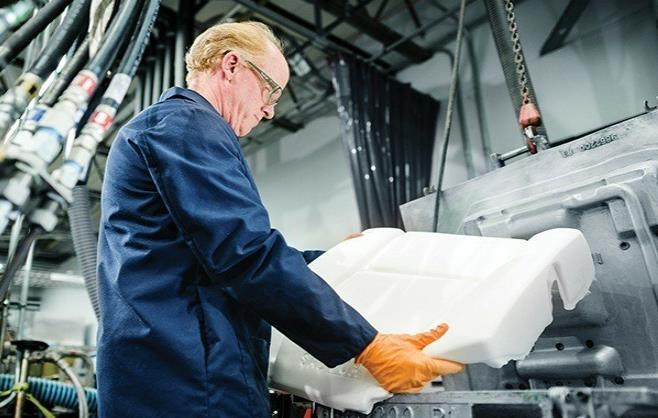
The best user guide is a repeatable routine that gives operators clear stop points. Start with the mold, not the container. If the surface carries transferred material, old residue, dust, moisture, or visible contamination, correct that condition before applying a new film. Next, use a consistent application method so the team can compare results from one run to the next. A spray pattern, wiping practice, or other approved method should reach all working surfaces without creating runs. Then inspect the film as it flashes off. The correct release layer should not be judged by a heavy wet appearance; it should be judged by even coverage and a prepared surface before contact. After molding, inspect the part and the tool together. A clean part with residue left behind on the mold is an early warning that needs action before the problem becomes a full sticking event. When the process includes paint or glue curing, discuss the release condition with the finishing team and review relevant curing agent requirements separately. A release material cannot compensate for a curing issue, and a curing material cannot correct a poorly prepared mold.
Common Mistakes That Cause Material Transfer
- Recoating over residue: This can trap transfer beneath the new layer. Clean first, then reapply. It does not apply when inspection confirms that the mold is already clean and only the release film has diminished.
- Using a visibly heavy coat: Excess liquid can delay flash-off and move during molding. Use controlled coverage instead. This does not mean leaving detailed mold areas untreated.
- Checking only the part: The mold surface may show the start of failure before part defects become severe. Inspect both surfaces after a problematic cycle.
- Changing several conditions together: If thickness, flash-off, and mold condition change at once, the real cause remains unclear. Change one factor, observe, and record the result.
- Ignoring downstream finishing: A release-related residue can affect later coating work. This concern is relevant when parts will be painted, colored, bonded, or cured after demolding.
FAQ of Release Film Curing
Why does sticking return after a fresh application
Fresh application may not solve sticking if the mold surface was not cleaned, if the film was uneven, if it did not flash off sufficiently, or if the tool condition changed after preparation. Start by checking the exact location of the sticking. If it appears repeatedly in one cavity, edge, or textured section, inspect that location for residue and confirm coverage there. If it appears across the full part, review the application method and mold operating condition. Do not assume more product is the answer. The correct response depends on the evidence found during inspection.
Should operators recoat after every difficult release
Not automatically. Recoating is appropriate when the existing release film has diminished or when inspection confirms that a clean mold needs a renewed layer. If transferred material remains on the mold, cleaning is the first step. Recoating over buildup can make the surface less predictable and can hide the underlying cause. Use the part condition and the mold condition together to decide whether cleaning, recoating, or process review is required.
What should a buyer tell a supplier before requesting a product recommendation
A useful request should describe the processed material, application area, mold design, current defect, method of application, and any finishing operation after demolding. Buyers should also explain whether the issue is sticking, material transfer, residue buildup, inconsistent part appearance, or difficulty after cleaning. This information helps distinguish a release-film question from a pigment, paint, glue, or curing issue. It also makes quotation discussions more relevant to the actual production requirement.
Sholee Chemicals as a Release Material Supplier
Sholee Chemicals supplies release agent, chemical additives, color paste, paint curing agent products, and related industrial chemical products for applications including PU soles, PU car carpets, wood-based panels, paper-related processing, metal die casting, and paint and glue curing work. For production teams dealing with inconsistent mold release, the productive starting point is a clear description of the mold condition and the release-film failure being seen on the shop floor. Our product scope also includes customized industrial release agent, painting, and chemical additive products, allowing buyers to discuss their specific application requirements before selection. The company operates with no MOQ and a stated delivery period of 30 days. If you are looking for a Water Based Release Agent supplier, contact Sholee Chemicals for the latest product quotation and selection advice.