
Prevent Bubbles in Polyurethane Shoe Sole Molding
How to Prevent Bubbles in a Polyurethane Shoe Sole With Moisture Control
Definition of PU Sole Bubbles and Voids
Polyurethane shoe sole is a footwear outsole or midsole formed when a polyol blend reacts with an isocyanate inside a closed mold. The liquid mixture expands, fills the cavity, and cures into a flexible solid part. A bubble is a gas pocket trapped in or just under the skin of that part. A void is a larger internal cavity, often invisible until the sole is cut or flexed. Pinholes are tiny surface openings left where gas broke through the skin. So where does the gas come from? Two sources account for most cases. The first is water, which reacts with isocyanate and releases carbon dioxide. The second is air, which gets whipped into the mix or trapped in the mold. Water enters through the resin, the filler, the mold surface, or the workshop air. That is why moisture control is the first thing a production engineer should check when visible defects appear before a molding run is scaled up.
Types of PU Sole Systems and Their Moisture Sensitivity
Not every system reacts to moisture in the same way, so the first step is to identify which one you run. The table below compares the common formats and where bubbles tend to start in each. Treat it as a screening guide, and confirm exact limits against your system supplier's technical data sheet.
| System type | Typical use | Where bubbles usually start | Limit of this guide |
|---|---|---|---|
| Microcellular single density | Casual and sports outsoles | Wet polyol, wet filler, mold surface condensation | Controlled cell structure is intended, so check that defects are larger than the normal cells |
| Dual density (outsole plus midsole) | Work and safety footwear | Interface between the two pours, trapped air at the first layer | Interface voids can come from timing, not only moisture |
| Solid or high density casting | Thin, wear resistant outsoles | Air entrained during mixing, residual moisture in resin | Degassing helps air but cannot remove water already reacted |
| Filled or pigmented systems | Colored or cost adjusted soles | Moisture carried by filler and color paste | Depends on dryness of every additive, not only the base resin |
Every polyurethane shoe sole system has some moisture tolerance, but it is rarely generous. Once you know your format, you know which inputs to inspect first.
Features of a Defect Free PU Sole
A sound sole shows a continuous, smooth skin with no craters, a consistent cell structure through the cut section, and uniform color from heel to toe. Those features matter commercially, not only visually. Surface bubbles interrupt coating adhesion, so a sole that will be finished with shoe sole paint needs a clean skin to hold the film. Internal voids reduce flex durability, and a void near the edge can open up during bending. Color is another signal. Streaks or pale patches around a bubble often mean pigment dispersion was disturbed by gas, or that a wet pigment carrier reacted locally. When you pigment with pu paste & pigment, the carrier should be compatible with the polyol and dry enough not to add water to the mix. As a rule, if defects appear in the same mold position shot after shot, suspect the mold or vents. If they appear randomly, suspect raw material moisture or mixing.
PU Sole Applications Where Bubbles Cost the Most
Bubbles do not carry equal cost in every product. On light colored, translucent, or high gloss soles, even a small surface defect is a rejection. On dark work boot outsoles, cosmetic pinholes may pass inspection, but hidden voids still weaken the part under repeated flexing. Sports and casual footwear that is painted after molding is also sensitive, because paint highlights surface irregularities. Our company works across several polyurethane fields, including PU soles, PU car carpets, wood based panels, food grade paper, metal die casting, and paint and glue curing agent products. The same moisture logic applies across most of them: water that is not accounted for becomes gas, and gas becomes a defect. For footwear factories, the practical impact is scrap, rework, and delayed shipments. That is why engineers should fix the cause during a small trial, before committing a full production order.
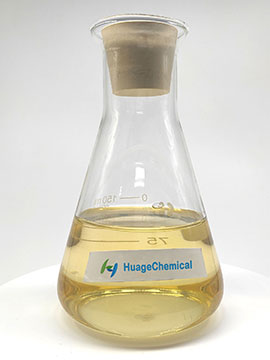
How Resin, Filler, Mold, and Ambient Moisture Control Prevent Gas Bubbles and Voids
Each of the four inputs can add water or air to the reaction. Control them in the order below, and check one variable at a time so you know which change fixed the defect.
Control points, checkpoints, and failure reasons
| Input | What to do | Key checkpoint | Common failure reason | When it does not apply |
|---|---|---|---|---|
| Resin (polyol blend) | Keep drums sealed, use dry nitrogen or a desiccant breather on day tanks, and recirculate gently | Water content measured on the batch you actually use, compared with the supplier's limit | Drums left open between shifts, or additives stirred in with air | If the system is intentionally water blown, water is part of the formula, so only control variation, not presence |
| Filler and additives | Dry fillers before use, store in sealed bags, add as late as the process allows | Loss on drying result or a simple oven test on each lot | Filler stored on open shelves in humid weather | Unfilled systems skip this step, but color paste and chemical additives still need checking |
| Mold | Clean vents, confirm vent depth and position, and wipe the cavity dry before spraying | No condensation on the mold surface; vents clear at the last fill point | Mold cooled below dew point, release agent sprayed wet, blocked vents | Defects that move from shot to shot are less likely to be mold related |
| Ambient moisture | Record temperature and humidity at the pouring station and compare them with defect days | Defect rate rising on humid days or after rain | Open doors, uncovered material transfer, mold cooling in a damp room | Enclosed, dehumidified rooms make this less likely, so look at raw materials first |
Step by step procedure
- Freeze the recipe. Change nothing else while you test. Failure reason: operators adjust ratio and temperature together, so no one knows what worked.
- Test the resin. Take a sample from the day tank, not the sealed drum, and measure water content. Failure reason: sampling from a clean drum hides contamination that happens during transfer.
- Dry and isolate fillers. Run a short trial with a freshly dried lot against the current lot. If bubbles disappear, moisture was in the filler.
- Inspect the mold. Check mold temperature against the dew point, clean the vents, and let any sprayed release agent flash off or dry before pouring. Failure reason: wet release film turns to vapor or gas under reaction heat.
- Log the air. Record humidity and temperature at every trial pour. A pattern across days confirms an ambient cause.
- Check mixing and pour technique. If moisture checks pass but defects remain, look at air entrainment from the mixer head, pour speed, and pour position.
This sequence separates water related bubbles from air related ones. Water bubbles tend to be fine and widespread, while trapped air tends to show up as larger voids near vents or at the last point to fill.
PU Sole Price Factors and the Cost of Bubble Scrap
The price of a molded sole depends on raw materials, mold complexity, cycle time, and the yield you achieve. Bubbles affect that last item directly. A cheaper resin that picks up water easily may cost more in the end if it raises the scrap rate or forces extra drying steps. Likewise, saving on a release agent or additive can backfire if it leaves residue that shows up as surface defects. The table below shows the main cost drivers and how moisture problems feed into each. Actual quotes vary with formulation, volume, and customization, so request pricing for your specific system.
| Cost driver | How it moves price | Link to bubble defects |
|---|---|---|
| Resin and isocyanate grade | Higher performance grades cost more | Grades with lower moisture pickup can reduce drying and rework |
| Fillers and color paste | Type, loading, and dispersion quality | Wet or poorly dispersed additives create gas and streaks |
| Release agent and mold care | Product type and spray frequency | Overspray and wet film raise pinhole risk |
| Scrap and rework | Lost material, labor, and cycle time | Often the largest hidden cost of unmanaged moisture |
| Customization | Special formulation or testing adds cost | Often pays back when a standard product does not suit your process |
PU Sole User Guide for Pre Run Troubleshooting
Before scaling a polyurethane shoe sole run, spend one shift on a controlled trial. Pour a small batch with the current process, and record resin water content, filler lot, mold temperature, release agent method, and room humidity for each shot. Cut several soles open and look at the cross section, not only the surface. Then change one factor and repeat. The most frequent mistakes we see in this kind of troubleshooting are listed below. Use the list as a decision checklist before approving a mass production run.
- Changing the mix ratio to hide bubbles instead of finding the water source.
- Spraying release agent heavily and pouring before it is dry.
- Using filler straight from an open bag in humid weather.
- Judging only surface appearance and skipping the cut section check.
- Running a trial on a dry day, then scaling during the wet season without humidity control.
- Adding color paste or additives without confirming they are compatible and dry.
If the defect disappears when you dry one input, you have your cause. If it persists after every input is controlled, the issue is likely mechanical, such as vent design or mixer air entrainment, and the mold or machine needs attention instead.
Release Agent and Chemical Additive Supplier
Sholee Chemicals supplies release agents, chemical additives, color paste, and paint curing agents for polyurethane and related industries. Our application areas include PU soles, PU car carpets, wood based panels, food grade paper, metal die casting, and paint and glue curing agent products. We accept customized industrial release agents, as well as painting and chemical additive products, so you can match the formulation to your own mold, process, and finish requirements. For orders, we work with no MOQ and a 30 day timeline, which suits factories that want to run a small trial before committing to volume. If you are checking a coating step, our curing agent range is available alongside the molding products. Our aim is to create value for customers and contribute to society, and in practice that means helping production teams resolve surface defects with products that fit their process.
FAQ of Polyurethane Shoe Sole Bubbles
Can humidity alone cause bubbles in a polyurethane shoe sole?
Yes, it can contribute, especially when resin or filler is exposed to open air, or when the mold surface is cool enough to form condensation. Humidity is rarely the only cause, so log it alongside the other inputs.
How do I tell water bubbles from trapped air?
Water related bubbles tend to be fine and spread across the part. Trapped air usually forms larger voids near vents, corners, or the last area to fill. Cutting the sole open helps you see the pattern.
Does a release agent cause pinholes?
It can, if applied too heavily or poured before it is dry. The product should match your system, and the film should be thin and fully flashed off. A customized release agent may help when standard types leave residue.
Can I fix bubbles by changing the mix ratio?
Seldom. Changing the ratio may mask the symptom while adding new problems such as poor cure or hardness shifts. Find the water or air source first.
Contact Our Technical Team
Sholee Chemicals is a release agent and chemical additive supplier serving footwear and other polyurethane producers. If you are looking for a release agent, color paste, or additive supplier for your sole production, contact us with your system details and defect samples to get the latest quotation and selection advice.