
Polyester vs Polyether for a Polyurethane Shoe Sole
Choosing Between Polyester and Polyether for a Polyurethane Shoe Sole
A polyurethane shoe sole is a highly durable and versatile soling material created by reacting a polyol (either polyester or polyether based) with a diisocyanate. The choice between these two polyol families is a fundamental decision in footwear design and manufacturing, as it directly determines the sole's performance characteristics. This decision impacts everything from its resistance to water and chemicals to its flexibility in cold weather and its overall lifespan. Understanding the chemical differences is the first step toward producing a sole that meets the specific demands of its intended environment, whether for industrial safety boots or lightweight casual sneakers.
Types of PU Systems for Footwear Soles
The chemistry of a polyurethane shoe sole is defined by its soft segment, which is the polyol. The two primary types used in the footwear industry are polyester-based PU and polyether-based PU. While both produce lightweight, abrasion-resistant soles, their molecular structures create distinct advantages and disadvantages.
- Polyester-Based PU Systems: These are formed using polyester polyols. The ester groups in their chemical backbone provide strong intermolecular attraction. This results in materials that typically exhibit superior tensile strength, cut and tear resistance, and excellent resistance to oils and solvents. They create a tougher, more robust material ideal for demanding applications.
- Polyether-Based PU Systems: These are formed using polyether polyols. The ether linkages in their structure are more flexible and less susceptible to hydrolysis (breakdown by water). This makes polyether-based soles inherently more resistant to humid environments and provides better performance at low temperatures, as they are less likely to become brittle.
The selection is not about which is universally "better," but which is correctly suited for the shoe's end-use. A mismatch can lead to premature sole failure, such as cracking, swelling, or crumbling.
Key Performance Features of PU Soles
Polyurethane as a material offers a baseline of high-performance features that make it a preferred choice over traditional materials like rubber or PVC. Manufacturers value PU for its exceptional combination of properties that can be precisely tuned through chemical formulation. The primary features include:
- Durability and Abrasion Resistance: PU soles have a high resistance to wear and tear, making them last significantly longer than many other soling materials. This is especially true for polyester-based formulations.
- Lightweight: Compared to solid rubber, PU has a much lower density. This reduces the overall weight of the shoe, decreasing wearer fatigue and increasing comfort for all-day use.
- Flexibility: Polyurethane can be formulated to be very flexible, allowing for natural foot movement. Polyether-based systems, in particular, maintain this flexibility even in cold conditions.
- Cushioning and Shock Absorption: The cellular structure of a PU sole provides excellent shock absorption, protecting the wearer's joints from impact. This property can be adjusted by altering the material's density.
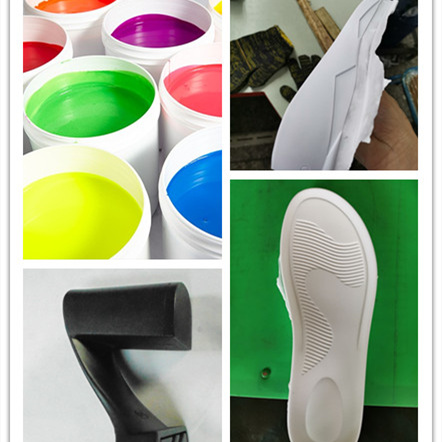
- Design Versatility: As a liquid system that is molded, polyurethane allows for complex tread patterns and intricate designs. It also bonds well with various colorants, such as pu paste & pigment, for a wide range of aesthetic options.
By selecting the right polyol and incorporating specific chemical additives, these core features can be enhanced to meet very specific performance targets.
Deciding Between Polyester and Polyether PU: A Diagnostic Guide
Choosing the correct PU system is a technical decision based on the environment the footwear will face. A sole designed for an indoor factory floor has different needs than one for an outdoor trekking boot. Use the following criteria to diagnose your application's needs and select the appropriate chemistry. This choice is critical for ensuring the longevity and safety of the final product.
Here is a direct comparison to guide your material selection process:
| Performance Factor | Polyester-Based PU | Polyether-Based PU | When to Choose |
|---|---|---|---|
| Hydrolysis Resistance | Good | Excellent | Choose Polyether for footwear used in consistently wet or humid climates (e.g., tropical regions, marine environments) to prevent crumbling over time. |
| Abrasion & Cut Resistance | Excellent | Good | Choose Polyester for industrial safety boots or work shoes where the sole is exposed to sharp objects, rough surfaces, and high wear. |
| Oil & Chemical Resistance | Excellent | Fair to Good | Choose Polyester for soles used in environments with exposure to oils, fuels, and solvents, such as automotive workshops or factory floors. |
| Low-Temperature Flexibility | Fair | Excellent | Choose Polyether for winter boots or footwear intended for cold climates, as it remains flexible and resists cracking at low temperatures. |
| Rebound & Elasticity | Good | Excellent | Choose Polyether for athletic or comfort footwear where high rebound and a "bouncy" feel contribute to wearer comfort. |
| Microbial Resistance | Fair | Excellent | Choose Polyether for applications where the footwear might be exposed to soil or organic matter that could promote microbial attack. |
Common Applications for Each PU Sole Type
The theoretical properties of each PU system translate directly into their ideal real-world applications. Aligning the material to the use case prevents field failures and ensures customer satisfaction.
Polyester PU Sole Applications
The toughness and chemical resistance of polyester-based PU make it the standard for protective and industrial footwear. Its ability to withstand harsh conditions is its primary advantage.
- Safety Footwear: The superior cut, tear, and abrasion resistance is essential for protecting feet on construction sites and in manufacturing facilities.
- Industrial Work Boots: Its excellent resistance to oils, greases, and solvents makes it perfect for mechanics, factory workers, and anyone in an industrial setting.
- Dual-Density Soles: Often used as the hard outer layer in dual-density soles, providing a durable shell while a softer polyether or low-density polyester layer provides cushioning.
Polyether PU Sole Applications
The flexibility, hydrolysis resistance, and rebound of polyether-based PU make it the preferred choice for casual, comfort, and all-weather footwear.
- Casual and Fashion Shoes: Its lightweight nature and excellent cushioning provide all-day comfort.
- Sandals and Summer Footwear: Its resistance to hydrolysis is important for footwear that may be exposed to water and humidity.
- Winter and Cold-Weather Boots: Its ability to remain flexible in freezing temperatures prevents the sole from becoming brittle and cracking.
Factors Influencing PU System Costs
The final price of a polyurethane shoe sole system is not based on a single factor. It is a combination of raw material markets, formulation complexity, and supplier services. Understanding these components helps in budgeting and sourcing.
- Raw Material Pricing: The primary cost drivers are the market prices of the main components: MDI/TDI (isocyanates) and the polyol itself. These commodity chemicals fluctuate based on global supply, demand, and crude oil prices.
- Additive Package: The cost increases with the complexity of the additive package. This includes UV stabilizers, antioxidants, hydrolysis-resistant agents, antistatic chemicals, and the shoe sole paint or colorants used. A simple black sole is less expensive to formulate than a UV-stable, brightly colored one.
- Customization and R&D: Developing a custom formulation to meet unique specifications (e.g., a specific hardness, density, or static-dissipative property) involves R&D costs that are factored into the price.
- Order Volume: While bulk orders typically receive better pricing, this can be a barrier for smaller manufacturers or those testing new designs. At Sholee Chemicals, we address this with a no minimum order quantity (MOQ) policy, providing access to professional-grade materials for projects of any scale.
Production Guide for High-Quality PU Soles
A superior chemical system is only effective if processed correctly. Adhering to best practices during the molding process is essential for producing a durable and defect-free polyurethane shoe sole. Key parameters must be tightly controlled.
- Component Preparation and Ratio: Ensure that the polyol and isocyanate components are stored at the recommended temperatures and are thoroughly mixed before use. The mix ratio (typically by weight) must be exact. Even a slight deviation can drastically alter the physical properties of the cured sole.
- Mold Temperature Control: The surface temperature of the mold is critical. A mold that is too cold can lead to poor flow and surface defects, while a mold that is too hot can cause scorching or affect demolding. Typically, temperatures range from 40°C to 60°C.
- Application of Release Agent: The mold must be coated with a high-quality release agent before each injection. This prevents the PU sole from sticking to the mold, ensuring a clean release without damaging the part or the mold. It also contributes to a better surface finish.
- Curing and Demolding Time: The sole must remain in the mold long enough for the chemical reaction to build sufficient green strength for demolding. This time depends on the chemical system and part thickness. A proper curing agent within the formulation helps control this reaction rate. Demolding too early can cause deformation.
- Post-Curing: After demolding, soles should be allowed to post-cure for at least 24 hours at ambient temperature. This allows the polymer network to fully form, achieving the final specified hardness and physical properties.
Your Polyurethane Shoe Sole System Supplier
Choosing a supplier is as important as choosing the right chemistry. A reliable partner provides not just high-quality materials but also the technical support and logistical flexibility needed for smooth production. Sholee Chemicals specializes in providing complete chemical solutions for the footwear industry, including polyol systems, color pastes, release agents, and curing agents.
We understand the pressures of modern manufacturing. That is why we offer a 30-day lead time on our products and, importantly, have no minimum order quantity (MOQ). This allows our clients to manage inventory effectively, test new designs without a large upfront investment, and scale production as needed. Our technical team works with you to select or customize a formulation that delivers the exact performance your footwear requires.
Frequently Asked Questions about PU Sole Chemistry
Can polyester and polyether polyols be blended?
Yes, in some advanced formulations, polyester and polyether polyols can be blended. This is done to create a hybrid system that captures specific benefits from both types. For example, a small amount of polyether might be added to a polyester system to improve its low-temperature flexibility without significantly compromising its oil resistance. These are complex formulations that require expert chemical knowledge.
How does a shoe sole paint or coating adhere to different PU types?
Adhesion depends on the surface energy of the PU sole. Generally, polyester-based PU has a higher surface energy, making it slightly easier for paints and adhesives to bond to. However, both types can be successfully painted. Proper surface preparation, including cleaning and sometimes the use of a primer, is essential for a durable bond that resists flaking or peeling.
What causes yellowing in polyurethane shoe soles and how can it be prevented?
Yellowing is primarily caused by the degradation of the polyurethane when exposed to ultraviolet (UV) light. This is a more significant issue with aromatic isocyanates (like MDI), which are common in shoe soles. To prevent this, a UV stabilization additive package is included in the formulation. This is especially important for white or light-colored soles. For applications requiring the highest color stability, more expensive aliphatic isocyanates can be used, but this is rare for soles due to cost.
If you are sourcing PU systems or additives for footwear manufacturing, contact the Sholee Chemicals team for technical guidance and a quote on our solutions.