
How to Specify a Polyurethane Shoe for Cold Weather
How to Specify a Polyurethane Shoe for Cold Weather Flexibility
What Is a Polyurethane Shoe Sole System
Polyurethane shoe soles are formed when a polyol blend reacts with an isocyanate inside a mold. The reaction produces a cellular or solid elastomer that is cast around, or bonded to, the upper. For winter, outdoor, and refrigerated-work footwear, the technical question is narrow: at what temperature does the sole stop bending like rubber and start behaving like hard plastic? Answering it starts with clear definitions, because datasheets often use the same words for different things. The specification has to cover the polymer backbone, hardness, density, and cure state together. No single number on a datasheet settles it.
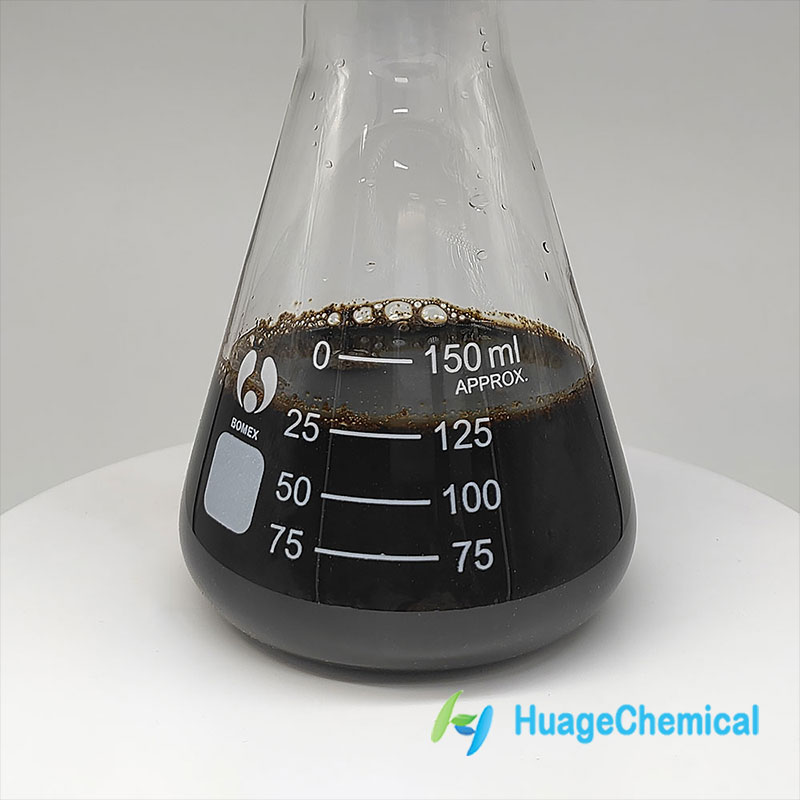
- Polyol: the hydroxyl-bearing component that forms the soft, flexible segments of the polymer. Polyether and polyester polyols behave differently in cold and in humidity.
- Isocyanate: the reactive component that builds the hard segments and crosslinks the sole.
- Glass transition temperature (Tg): the point where the soft segments lose mobility. A sole that is flexible at room temperature can turn stiff as service temperature approaches this range.
- Cold flexibility: the ability of a cured sole to bend repeatedly at its lowest service temperature without stiffening, cracking, or losing grip.
- Microcellular structure: the fine foam cell structure that gives a PU sole its cushioning at low weight. Cell size and density both change how the sole stiffens.
Types of Polyurethane Shoe Soles
Sole systems differ in chemistry and in construction. The table summarizes the common groups and what each means for cold use. These are general tendencies, so confirm them with test data on your own formulation.
| Type | Typical strength | Cold weather consideration |
|---|---|---|
| Polyether based microcellular | Hydrolysis resistance, good rebound | Generally keeps flexibility better at low temperature. Check tear and abrasion values against the job. |
| Polyester based microcellular | Abrasion, oil resistance, mechanical strength | Tends to stiffen earlier in the cold. Humid storage and wear can cause hydrolysis. |
| Dual density (outsole plus midsole) | Separate grip and cushioning layers | Each layer stiffens at its own rate, so test the bonded assembly, not just each layer. |
| Solid cast PU | Durability for work boots | Higher hardness raises the risk of cracking in cold flex. Check hardness and thickness together. |
The right choice depends on the dominant stress. A boot worn in a cold store needs cold flex and slip performance. A boot used on wet outdoor trails may need hydrolysis resistance more than anything else. When the two conflict, a polyether based system is usually the first one to test. It is not a guaranteed fit for every abrasion requirement.
Features of a Cold Ready PU Sole
A well specified sole combines several properties, and cold performance is the one that fails first in the field. Light weight and cushioning are the usual reasons footwear teams choose PU in the first place. Those benefits only matter if the sole still bends at the temperature where the wearer stands all day. The features worth writing into a specification are listed below.
- Flexibility retention: the sole bends without whitening, crazing, or cracking at the lowest service temperature.
- Grip stability: hardness should not climb so far that the outsole slides on cold, wet floors.
- Hydrolysis resistance: important for outdoor and washdown use, especially in polyester systems.
- Coating compatibility: paint and pigment layers must flex with the sole instead of cracking before it does.
- Consistent demolding: a clean surface without release agent residue supports bonding and painting later.
When Standard PU Formulations Lose Flexibility in the Cold
A standard formulation is usually tuned for room temperature comfort and cost. It loses flexibility when the service temperature approaches the glass transition range of its soft segments, when the hard segment content is high, or when density and hardness are pushed up for durability. This does not apply to every standard grade, and it does not mean a sole fails at one exact temperature. It means the margin shrinks, and the variables below show how much margin you have.
| Specification variable | What to check | Typical failure if ignored |
|---|---|---|
| Polyol type | Polyether or polyester, and molecular weight | Polyester grade stiffens early or hydrolyzes in humid, cold storage |
| Hard segment content | Isocyanate index and chain extender level | Sole turns brittle and cracks at the flex groove |
| Hardness (Shore A) | Hardness measured at room temperature and at service temperature | Sole passes at room temperature but is too hard in the cold |
| Density | Cell structure and finished density | Dense soles stiffen more and lose cushioning |
| Cure state | Demolding time and post cure conditions | Under-cured soles vary from batch to batch |
| Surface coating | Paint flexibility and curing agent ratio | Paint film cracks while the sole still flexes |
Steps to verify cold flexibility
- Define the lowest service temperature. Checkpoint: write it into the specification, not "cold" or "winter." Common failure: testing only at room temperature.
- Request the polymer type and hardness range. Checkpoint: polyether or polyester, Shore A value, and density. Common failure: comparing grades by hardness alone.
- Run a flex test at the service temperature. Checkpoint: use a recognized method such as ISO 17707 for outsole flex resistance, set to your temperature. Common failure: running the test on a bare sole and skipping the painted one.
- Test the finished assembly. Checkpoint: sole, bonding, and paint together. Common failure: a coating or adhesive that cracks first.
- Confirm batch consistency. Checkpoint: repeat the test on a second production batch. Common failure: a sample that passes while production, with different cure conditions, does not.
Polyurethane Shoe Application Scenarios
Cold flex requirements change with the use case. Winter boots and outdoor footwear face repeated bending on snow, ice, and frozen ground. Refrigerated-work footwear faces long exposure to a steady low temperature, often with wet floors and cleaning chemicals. Each case puts a different stress on the sole, so the specification should reflect the actual job.
Illustrative scenario, not a customer case: a product team is specifying a cold store boot. It lists the lowest floor temperature, wet floors, and daily washdown. It selects a polyether based microcellular system for hydrolysis resistance. It then requires flex testing of the painted sole at that floor temperature. The team also requires a second batch to be tested before approval. Because the requirement was written down, a supplier can quote against it and the result can be audited. This approach does not suit a sole that also needs very high oil resistance. There the team would need to compare polyester options and accept the tradeoff.
Polyurethane Shoe Price and Cost Factors
Price varies by project, so quote requests should include the full specification. The main drivers are listed below. We do not give fixed figures here because raw material costs and order details change from one inquiry to the next.
| Cost factor | How it moves the price |
|---|---|
| Polyol and isocyanate grade | Specialty grades for low temperature use usually cost more than standard grades |
| Additives and catalysts | Hydrolysis stabilizers and processing additives add to formulation cost |
| Color paste and coatings | Custom colors, finishes, and flexible paint systems change unit cost |
| Release agent system | Release type affects cycle time, scrap rate, and cleaning frequency |
| Customization and testing | Trial batches and cold flex testing add upfront cost but reduce field failure risk |
Common mistakes when comparing quotes
- Comparing price per kilogram without the polymer type and hardness.
- Ignoring rejection and rework costs from cracked soles.
- Skipping the coating system when a painted sole is part of the design.
Polyurethane Shoe User Guide for Production Teams
Good cold flex performance depends on production discipline as much as on the formulation. Start by controlling mold temperature and demolding time, because under-cured parts show the biggest batch variation in cold tests. Choose a release agent that does not leave residue that interferes with bonding or painting. Use a measured amount and clean molds on a schedule.
For color, a stable pu paste & pigment system should be dispersed evenly. Heavy pigment loading can change stiffness, so confirm the effect in cold testing and not only on appearance. For painted soles, match the curing agent and the paint film to the flexing sole. A paint film that is too hard or poorly cured will crack at the flex zone first. Store materials sealed and dry, since moisture reacts with isocyanates and upsets the cure.
- Record mold temperature, demolding time, and release agent amount for each batch.
- Cold flex test a sample from every new raw material lot.
- Test painted and unpainted soles separately when troubleshooting.
Polyurethane Shoe Supplier Sholee Chemicals
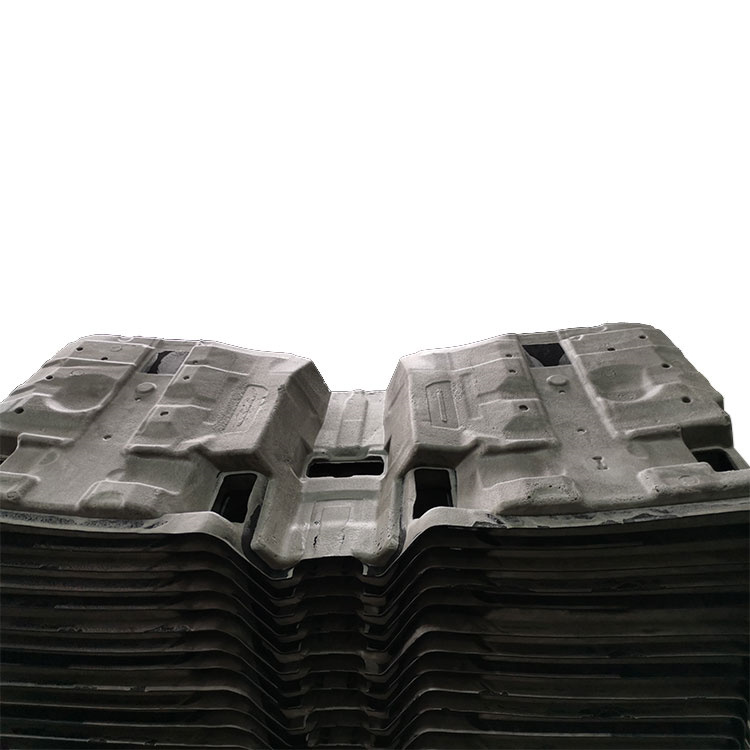
As a polyurethane shoe chemical supplier, Sholee Chemicals provides release agents, chemical additives, color paste, and paint curing agents. Our application areas include PU soles, PU car carpets, wood based panels, food paper, metal die casting, and paint and glue curing agent products. We accept customized industrial release agent, painting, and chemical additive projects, so footwear teams can bring a specific demand, such as cold weather flex, and work on a matching system. Our terms include a 30 day lead time and no minimum order quantity, which makes trial batches practical before a larger commitment. Our aim is to create value for customers and contribute to society.
FAQ of Polyurethane Shoe Cold Flexibility
Does a lower Shore A hardness always mean better cold flex?
No. Softer soles are usually more flexible, but polymer type, density, and cure state also matter. Always measure at the service temperature, not just at room temperature.
Is polyether always the right choice for cold use?
It is a common starting point because it generally keeps flexibility and resists hydrolysis. If the job needs high oil resistance or maximum abrasion performance, test polyester options as well.
Why does the paint crack before the sole does?
The coating may be harder than the sole, or its curing agent ratio may be wrong. Test the painted sole and adjust the paint system to match the sole flexibility.
Can additives improve low temperature behavior?
Formulation additives can help with processing and stability, but they do not replace the right polymer base. Confirm any improvement with a cold flex test on your own formulation.
What should I send with a quote request?
Send the lowest service temperature, preferred polymer type, hardness range, density target, color requirements, and whether the sole is painted.
If you are looking for a polyurethane shoe chemical supplier, contact Sholee Chemicals with your specification. We can quote release agent, color paste, additive, and paint curing agent solutions, and send samples for testing.