
How a Polyurethane Shoe Sole Compares With TPU
How a Polyurethane Shoe Sole Compares With TPU
Definition and material scope
Polyurethane shoe sole refers to a footwear sole made from a polyurethane system that reacts and forms its final structure during manufacturing. In footwear development, this material can be used where a buyer needs a balance of cushioning, shape retention, appearance options, and process compatibility. TPU, or thermoplastic polyurethane, belongs to a related material family but follows a different manufacturing route because it is processed by melting and cooling rather than by a reactive molding process. The practical question is not which material is universally better. The right choice depends on the shoe category, target feel, mold process, finishing plan, expected wear conditions, and purchasing controls. A material buyer should compare the actual compound, sample construction, and production method rather than selecting only from the labels PU or TPU.
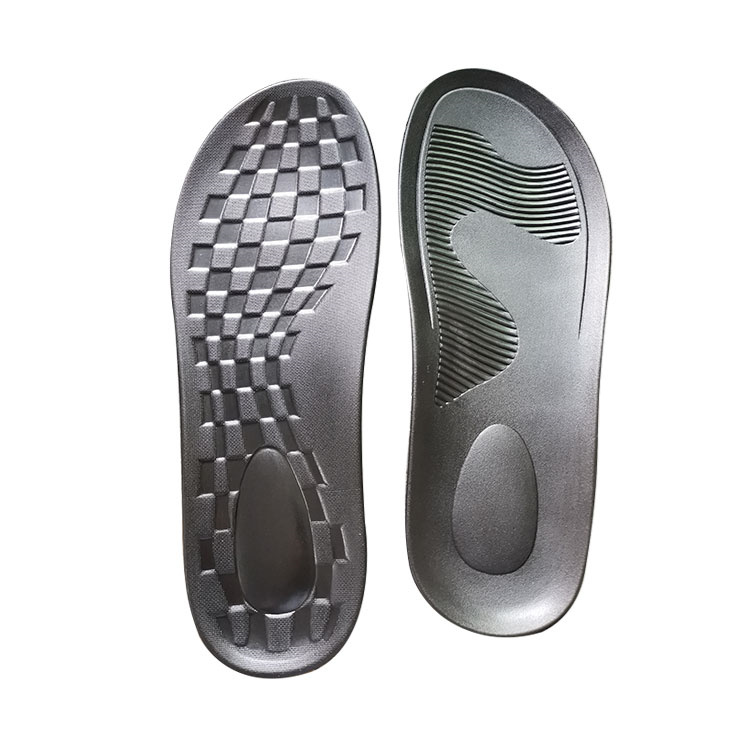
Types of PU and TPU sole materials
Footwear teams normally encounter several construction choices before they select a final sole. PU sole materials may be supplied for compact structures, cellular structures, or combinations that use different layers for comfort and contact performance. TPU is commonly considered for molded outsole parts, protective edge areas, and designs needing a thermoplastic processing route. Some projects also combine materials, such as a softer base section with a harder contact section, although the bonding method must be verified before production. The correct conclusion is to define the functional zones first and select material types second. This approach fits developers creating a new outsole platform or changing an existing mold program. It does not apply when a brand must keep an approved material specification without alteration, because changing the polymer family may require fresh testing, revised tooling settings, and approval from the brand owner.
- Reactive PU systems: Suitable when the factory uses a polyurethane molding route and needs formulation flexibility.
- Thermoplastic polyurethane: Suitable when the planned process depends on melt processing and repeatable pellet handling.
- Multi material soles: Suitable when different sole zones require separate functional priorities, subject to bonding validation.
- Finished sole systems: Suitable when color, coating, and surface appearance are part of the material decision.
Features that affect footwear performance
The most useful way to compare PU and TPU is to connect each property with a design consequence. Density affects the mass of the finished part and can influence how substantial or light the shoe feels. Rebound affects the return feel under repeated loading, so an unsuitable choice may make a comfort shoe feel too soft, too firm, or inconsistent after wear. Abrasion resistance affects the durability of exposed contact areas, particularly on outsole patterns that see repeated ground contact. Processing route affects tooling, cycle planning, scrap control, and the factory equipment required. A buyer should also review surface requirements early. If the sole needs color matching or decorative finishing, the coating and pigment system should be checked against the selected substrate. For projects using colored PU components, review pu paste & pigment options alongside the material plan rather than treating color as a final stage.
Comparison of PU and TPU specifications
The table below is a specification led PU and TPU comparison for early outsole material selection. It explains what each parameter changes in practice and what can happen when the buyer selects a material without confirming the requirement. These are decision prompts, not substitute values for a compound data sheet. Request the supplier’s grade specific information, molded sample details, and test method before releasing a purchase order. The conclusion is simple: compare the finished sole requirement against the actual grade and process, not against a broad assumption about either polymer family. This is especially relevant when one supplier quotes a material category while another quotes a completed molded sole, because those are not directly comparable commercial offers.
| Parameter | PU approach | TPU approach | What it affects in practice | Risk if selected incorrectly |
|---|---|---|---|---|
| Density | Can vary with formulation and sole structure, including cellular or compact designs. | Varies by grade and molded construction; it should not be assumed lighter or heavier without data. | Finished shoe weight, underfoot feel, and material consumption. | A shoe may miss its target weight or feel different from the approved sample. |
| Rebound | Can be adjusted through the polyurethane formulation and sole design. | Depends on the selected TPU grade and part geometry. | Step feel and how the sole responds to repeated compression. | A comfort model may feel overly firm, or a fashion model may feel less supportive than intended. |
| Abrasion | Must be checked on the final compound and tread structure. | Must be checked on the final grade and tread structure. | Wear behavior on exposed outsole contact zones. | The tread can show early wear if the material and pattern are not evaluated together. |
| Processing route | Uses a reactive molding route with controls for mixing, mold preparation, and curing conditions. | Uses a melt processing route, such as molding from a thermoplastic feed material. | Factory equipment, mold operation, production planning, and scrap handling. | A selected material may not suit the existing line, creating delays or rework before production. |
| End use limits | Should be reviewed against the target environment, structural demand, and finish requirement. | Should be reviewed against the target environment, structural demand, and finish requirement. | Whether the part remains suitable for the actual footwear category. | Using a broad material label without application testing can lead to an unsuitable commercial product. |
Applications and suitable material scenarios
PU and TPU can both appear in footwear, but the application should lead the decision. For a comfort focused casual shoe, a developer may prioritize underfoot feel, controlled weight, and the ability to create the intended sole structure. In that situation, PU may be considered if the factory uses compatible reactive molding equipment and the sample confirms the required feel. For a molded fashion outsole with defined edge detail and a planned thermoplastic production route, TPU may be considered if the factory already handles the relevant processing method. For safety, work, or outdoor footwear, material selection should not be made from generic descriptions. The buyer needs application specific validation for tread design, contact conditions, construction, and any required compliance process. Do not apply a comfort shoe selection logic directly to a hard wearing outsole program. The end use, not marketing language, sets the acceptance criteria.
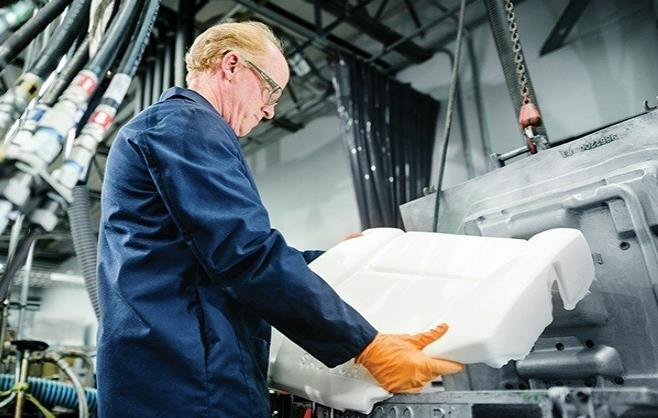
Price factors for outsole material selection
There is no reliable single price comparison between PU and TPU because quoted cost depends on what is being purchased. A raw material quote, a colored compound quote, a molded outsole quote, and a finished coated sole quote represent different scopes. The appropriate conclusion is to compare total manufacturing cost at the same level of supply. This fits purchasing managers preparing an RFQ or reviewing two supplier offers. It does not apply if the quotes use different test requirements, different color standards, or different packaging and delivery terms, because those differences can make a lower headline figure misleading. Ask suppliers to separate material, processing, color system, finishing, tooling support, sampling, and quality documentation so that the sourcing team can identify the actual cost driver.
| Price factor | Why it changes the quote | Buyer action |
|---|---|---|
| Material grade | Different grades can have different processing and performance targets. | Specify the intended application and request the grade name on the quotation. |
| Sole construction | Compact, cellular, and multi material structures require different material and process inputs. | Provide drawings, section views, and a physical reference sample where available. |
| Color and finishing | Color matching, painting, and surface preparation add process scope. | State the color reference, gloss expectation, and coating requirement in the RFQ. |
| Mold condition | Mold release and surface condition affect molding consistency and finishing work. | Confirm the mold material, surface condition, and mold maintenance practice. |
| Order scope | Sampling, customization, and recurring supply are priced differently. | Separate development quantities from ongoing production requirements. |
User guide for material evaluation and molding preparation
Use a controlled selection procedure before approving either material family. First, define the footwear category and list the functions of every sole zone, including cushioning, ground contact, decorative surfaces, and attachment areas. Second, confirm the factory processing route and reject any material option that cannot run on the available equipment without a documented process change. Third, request a grade specific technical sheet and a molded sample that represents the actual thickness and tread pattern. Fourth, assess color and surface finishing on the molded substrate rather than on a flat laboratory plaque. Fifth, review mold preparation. For PU molding, mold surface management can affect release consistency; buyers should discuss the appropriate release agent with the process team. Finally, record the approved sample, material grade, color reference, mold conditions, and inspection criteria. This procedure fits new development and supplier transfer projects. It is not a replacement for brand mandated laboratory testing or regulatory review.
- Define the shoe category and the required sole functions.
- Confirm whether the factory uses reactive molding or thermoplastic processing.
- Review the actual grade rather than the broad material family name.
- Make samples using production representative mold conditions.
- Check weight, feel, tread appearance, bonding, and finish on the completed part.
- Approve a controlled reference sample before mass production.
Common purchasing mistakes to avoid
The most common mistake is treating PU and TPU as direct substitutes without checking the production route. A buyer may select a material for its expected feel or appearance, then discover that the factory requires different equipment, mold controls, or handling steps. Another mistake is approving color from a small chip rather than from a molded sole with the final surface texture. A third is comparing only raw material price while ignoring scrap, finishing, mold preparation, and labor. The practical conclusion is to write an RFQ that describes both the part and the process. This is useful for purchasing teams working with several factories or material suppliers. It has limits when a brand already supplies an approved specification, because the buyer should follow that specification rather than create a new selection protocol. Where a coating or painted appearance is required, evaluate shoe sole paint on the final substrate before confirming the visual standard.
- Do not assume density: Request information for the proposed grade and the finished sole structure.
- Do not ignore tread geometry: Material behavior and tread design should be assessed together.
- Do not skip mold review: Mold condition can affect release, appearance, and process stability.
- Do not separate finish from substrate: Pigment, paint, and substrate compatibility must be evaluated as one system.
- Do not approve from category names: Approve grade specific samples with documented processing conditions.
Sholee Chemicals supplier support for footwear projects
Sholee Chemicals supplies release agent, chemical additives, color paste, paint curing agent products, and related industrial chemical products for applications that include PU soles. The company accepts customized industrial release agent, painting, and chemical additive products, which can be relevant when a footwear developer needs to align mold release, color, and finishing requirements with a particular sole process. Sholee Chemicals also states that there is no MOQ, allowing buyers to discuss development stage needs without an indicated minimum order threshold. Its company information also lists 30 days; because the stated timeframe does not define the related stage, buyers should confirm in the RFQ whether it applies to sampling, production, or another service step. For paint and glue curing requirements, review the available curing agent product information with the coating process, substrate, and required finish clearly stated.
FAQ of PU and TPU outsole selection
Material buyers often ask for a simple rule that identifies PU or TPU as the best outsole choice. No such rule is reliable because the final decision includes material grade, sole structure, factory equipment, surface finish, and end use. PU can be appropriate when a reactive molding route and formulation flexibility match the planned part. TPU can be appropriate when a melt processing route and the selected grade match the planned design. The safe buying method is to use a documented comparison sheet, obtain representative samples, and evaluate the completed sole rather than relying on a generic material description. This approach takes more preparation during development, but it reduces the risk of approving a material that cannot be processed consistently or does not match the expected finished product.
- Is PU always softer than TPU? No. Feel depends on the specific material grade, formulation, geometry, and finished sole construction.
- Can the same mold run both materials? Do not assume so. Confirm tooling, equipment, processing route, and mold preparation requirements before trial production.
- Should abrasion decide the material choice alone? No. Abrasion should be assessed with tread geometry, end use, and other functional requirements.
- What should an outsole RFQ include? Include drawings, target application, material preference, color requirement, surface finish, processing route, sample need, and inspection expectations.
- When should finishing products be selected? Select and test them during material development, not after the sole substrate has already been approved.
If you are looking for a footwear chemical products supplier, contact Sholee Chemicals for the latest quotation and material selection advice.