
Automotive Interior Moulding Agent Guide for PP ABS PC
Choosing an automotive interior moulding agent that balances easy demoulding with low cabin emissions
An Automotive Interior Moulding Agent is a release chemical applied inside a mould cavity or blended into a compound to help plastic parts separate cleanly from tooling once they cure. For PP, ABS and PC interior components — dashboards, door panels, pillar trims, console housings — this agent decides whether a part pulls out without deformation, whether the surface still accepts paint or coating afterward, and whether the finished cabin passes odour and VOC testing. Buyers evaluating a moulding trial for the first time usually assume the choice is only about release performance. In practice, the real decision is a trade-off: a release agent strong enough for fast, defect-free demoulding can leave residues that interfere with downstream painting or trigger fogging and odour complaints inside a closed vehicle cabin.
Types of Automotive Interior Moulding Agent
Moulding agents for interior plastics generally fall into a few working categories, and the right one depends on substrate and downstream process.
- Silicone-based release agents — strong release power, good for complex geometries, but silicone residue can cause paint adhesion failure and fisheye defects if not fully removed or if overused.
- Wax and semi-permanent release agents — leave a thinner film, better compatibility with secondary coating, but need more careful reapplication frequency during long production runs.
- Water-based low VOC mould release agent — formulated to reduce solvent content, suited to plants with tighter workplace air quality or cabin-emission targets.
- Internal moulding additives — blended directly into the PP, ABS or PC resin rather than sprayed on tooling, reducing spray residue but requiring resin compatibility testing first.
Each type interacts differently with the three most common interior substrates. PP is naturally low-surface-energy and demoulds relatively easily, so it tolerates lighter-duty agents. ABS and PC, especially with textured or high-gloss finishes, often need stronger release chemistry, which raises the residue-management question.
Features that matter in an interior plastic moulding additive
Not every release agent behaves the same once it meets automotive interior requirements. The features below decide whether a product works for a single-shot trial or holds up across a full production run.
- Release strength consistent across 50-100+ shot cycles without heavy buildup on tooling.
- Low VOC and low odour profile to meet cabin air quality expectations — this matters more for PC and ABS parts positioned near vents or the dashboard.
- Thin, even film thickness that does not migrate onto Class-A visible surfaces.
- Compatibility with subsequent painting, printing or bonding steps — this is where many buyers get burned if they skip a coating compatibility test.
- Thermal stability suited to mould surface temperatures typical in PP, ABS and PC processing.
A moulding additive that scores high on release power but poor on paint compatibility is not automatically the wrong choice — it depends entirely on whether the part is painted afterward or left as a raw finish.
What actually happens when you get the parameters wrong
Buyers often treat moulding agent selection as a single spec sheet decision. In reality, each parameter controls a specific downstream outcome, and getting it wrong shows up later in the process — sometimes after paint has already been applied.
| Parameter | What it actually affects | Consequence if wrong |
|---|---|---|
| Release film thickness | How much residue transfers to the part surface | Too thick: paint adhesion failure, fisheyes, rework cost. Too thin: parts stick, tooling damage on ejection |
| VOC / solvent content | Cabin air quality test results (fogging, odour rating) | High VOC agents can push a finished interior part outside OEM odour or emission thresholds, causing batch rejection |
| Reapplication interval | Consistency of release across a production shift | Too infrequent: increasing demoulding force, surface tearing on ABS. Too frequent: residue buildup, added labor cost |
| Thermal stability | Whether the agent breaks down under mould surface heat | Breakdown leaves carbon deposits or stains on PC parts, especially clear or gloss finishes |
| Substrate compatibility | How the agent interacts with PP vs ABS vs PC surface energy | An agent tuned for PP may under-release on textured ABS, forcing higher mould pressure and part warping |
The practical takeaway: specify the downstream step (painted or unpainted, cabin-facing or hidden) before selecting the agent, not after the first trial run.
Automotive Interior Moulding Agent application
In production, the agent is typically applied by spray, wipe, or brush directly onto the mould cavity before each shot, or blended into the resin as an internal additive for continuous runs. Typical interior applications include dashboard skins, door card substrates, pillar trims, glove box housings, and console surrounds — parts made from PP, ABS or PC that later get textured, painted, or left as a Class-B surface. The same underlying release chemistry family used here overlaps with other Sholee product lines — our pu paste and pigment range for color-matched interior trim, and our curing agent products used where a painted interior surface needs a controlled cure cycle after coating.
For a working scenario: a Tier 1 supplier producing ABS door trim panels that require post-mould painting should run a small trial batch with a low VOC, low-residue agent first, then send painted samples for adhesion tape testing before committing to a full production order. Skipping that step is the single most common cause of late-stage rework we see referenced across the industry.
Automotive Interior Moulding Agent price
Pricing varies by chemistry type, VOC content, and order volume. Silicone-based agents tend to sit lower per litre but may add hidden cost through cleaning cycles and rework if residue causes paint defects. Water-based low VOC agents often cost more per unit but reduce downstream cleaning and rejection cost, which matters more on painted-surface parts than unpainted ones. Because Sholee accepts custom formulation requests with no minimum order quantity, buyers can request small trial batches priced against their specific PP, ABS or PC substrate rather than paying for a standard drum sized for high-volume lines. Typical lead time for a customized batch is 30 days from confirmed formulation.
Automotive Interior Moulding Agent user guide
- Confirm substrate (PP, ABS or PC) and whether the part will be painted, textured, or left raw.
- Select agent type based on the table above — match VOC tolerance to cabin-emission requirements first.
- Run a small trial spray or internal-blend batch, not a full production run, on the first pass.
- Test demoulding force and surface residue on trial parts before moving to paint adhesion testing.
- If painting follows, send trial parts through the actual paint and cure process used downstream — do not test in isolation.
- Record reapplication interval that keeps release consistent without residue buildup across a shift.
- Adjust formulation with the supplier if odour or fogging results fall outside target, rather than switching agent type blindly.
Common mistakes to avoid:
- Testing release agent performance without also testing the downstream paint or bonding step.
- Assuming a silicone agent that works on PP will perform the same on textured ABS.
- Ignoring reapplication frequency during long shifts, leading to inconsistent part quality mid-run.
- Ordering full production volume before running a trial batch on actual tooling.
Automotive Interior Moulding Agent supplier
Sholee Chemicals supplies release agents, chemical additives, color paste and paint curing agent products for interior plastic moulding, PU soles, PU car carpets, wood-based panels, food-contact paper, metal die casting and painting or glue curing applications. We accept customized industrial release agent formulations and painting or chemical additive requests with no minimum order quantity, and standard lead time is 30 days. For interior components that later require coating, our shoe sole paint line also shares formulation know-how with automotive-grade painted trim work, since both depend on stable paint-to-substrate adhesion after release agent contact. Our aim is to create measurable value for customers evaluating new moulding trials, not just sell a standard drum product.
FAQ of Automotive Interior Moulding Agent
Does a low VOC mould release agent reduce release performance?
Not necessarily. Water-based low VOC formulations can match silicone-based release strength on PP and ABS, though PC parts with complex undercuts sometimes need a stronger formulation tested case by case.
Can the same automotive plastic molding agent work across PP, ABS and PC?
A single formulation can cover all three in some cases, but surface energy differences mean testing on each substrate separately is safer than assuming universal compatibility.
How much residue is acceptable before it affects paint adhesion?
There is no universal number — it depends on the paint system used downstream. Tape-adhesion testing on trial parts is the only reliable way to confirm compatibility.
Is there a minimum order for custom formulations?
No. Sholee accepts custom industrial release agent and additive orders with no MOQ, with a typical 30-day lead time.
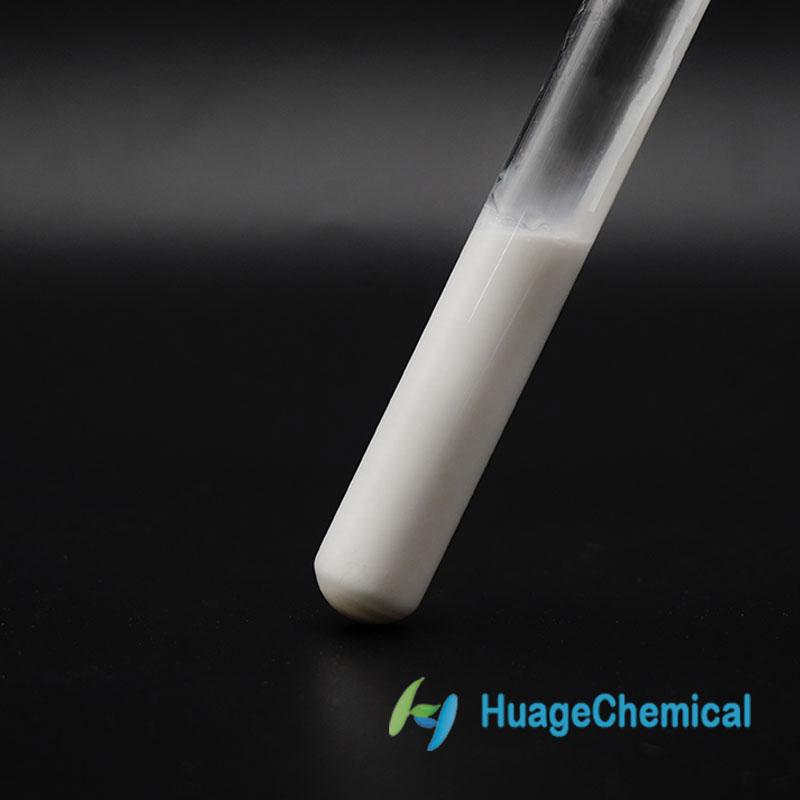
If you are evaluating an automotive interior mold release agent for a PP, ABS or PC production trial, feel free to contact us for a formulation recommendation or a sample batch quote.